
Last updated October 16, 2026
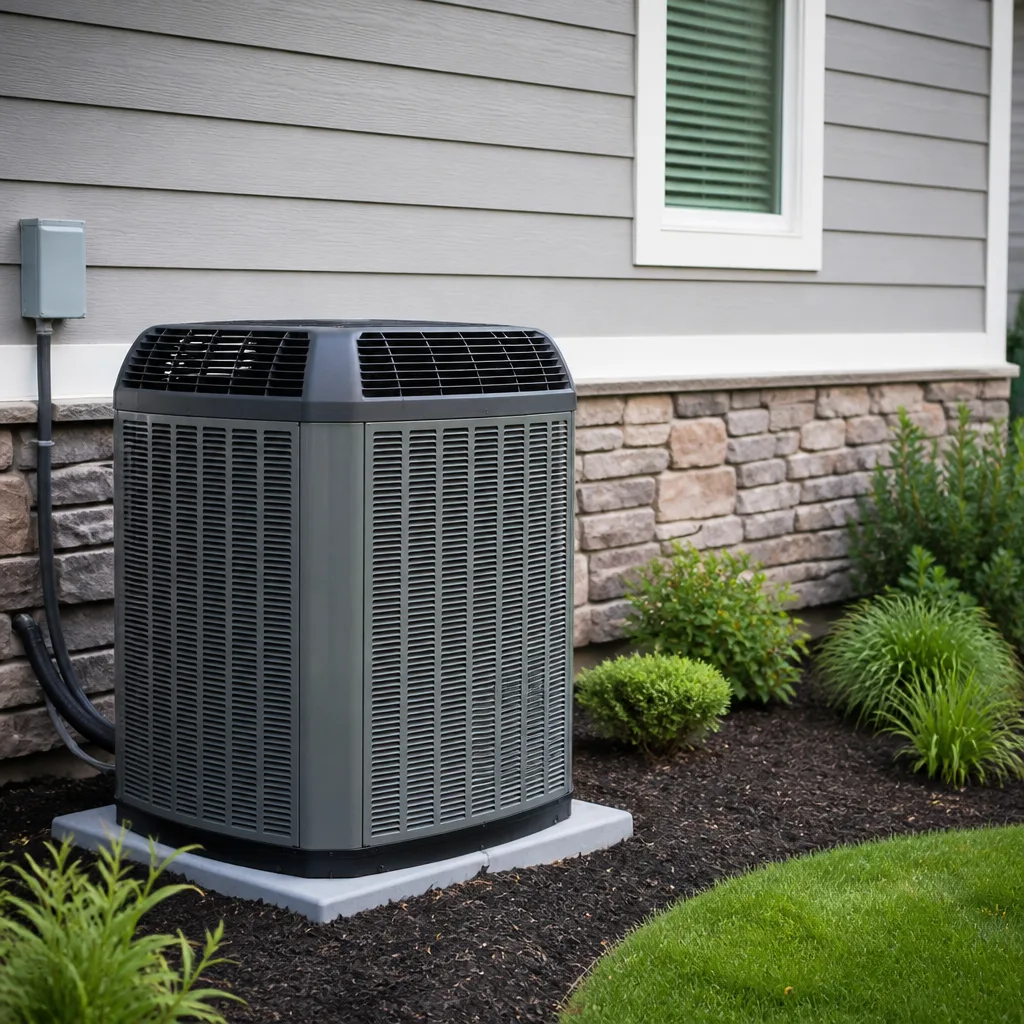 AC repair
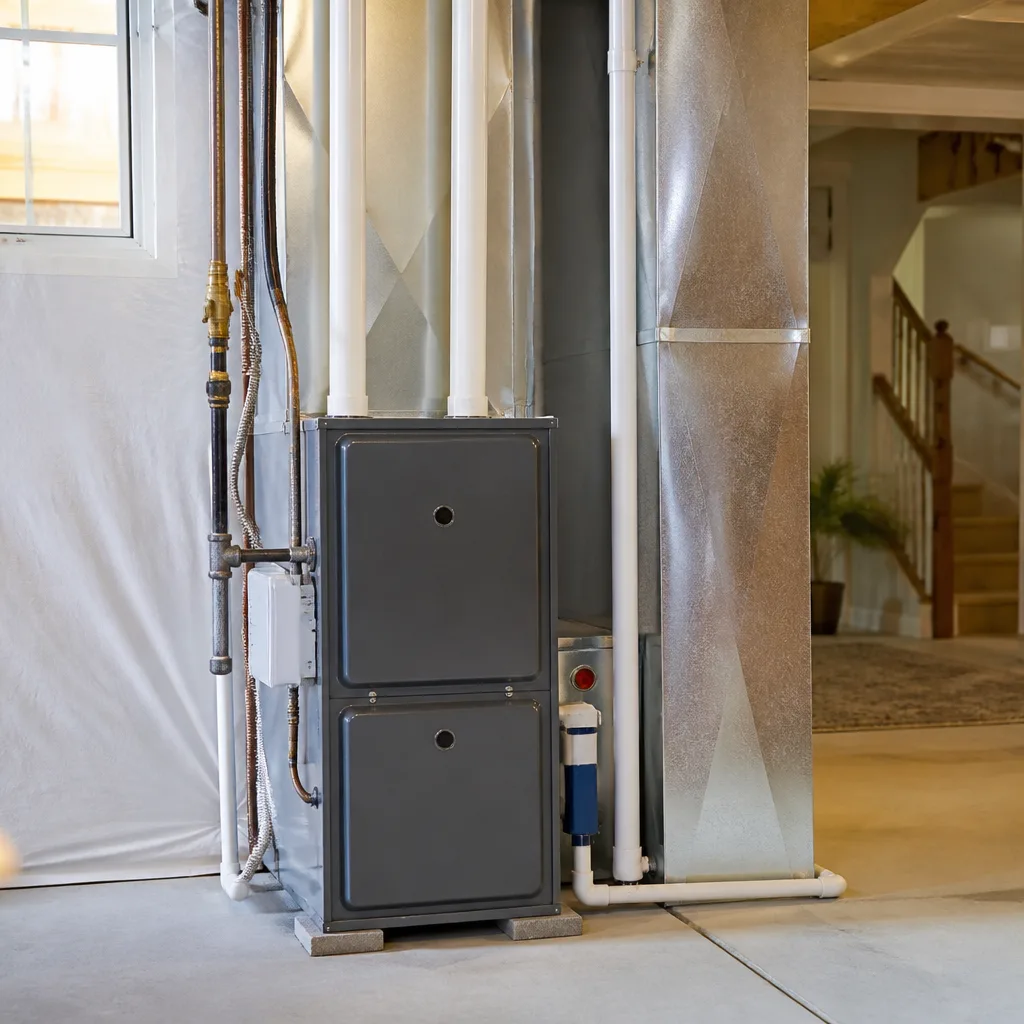 Furnace & heating
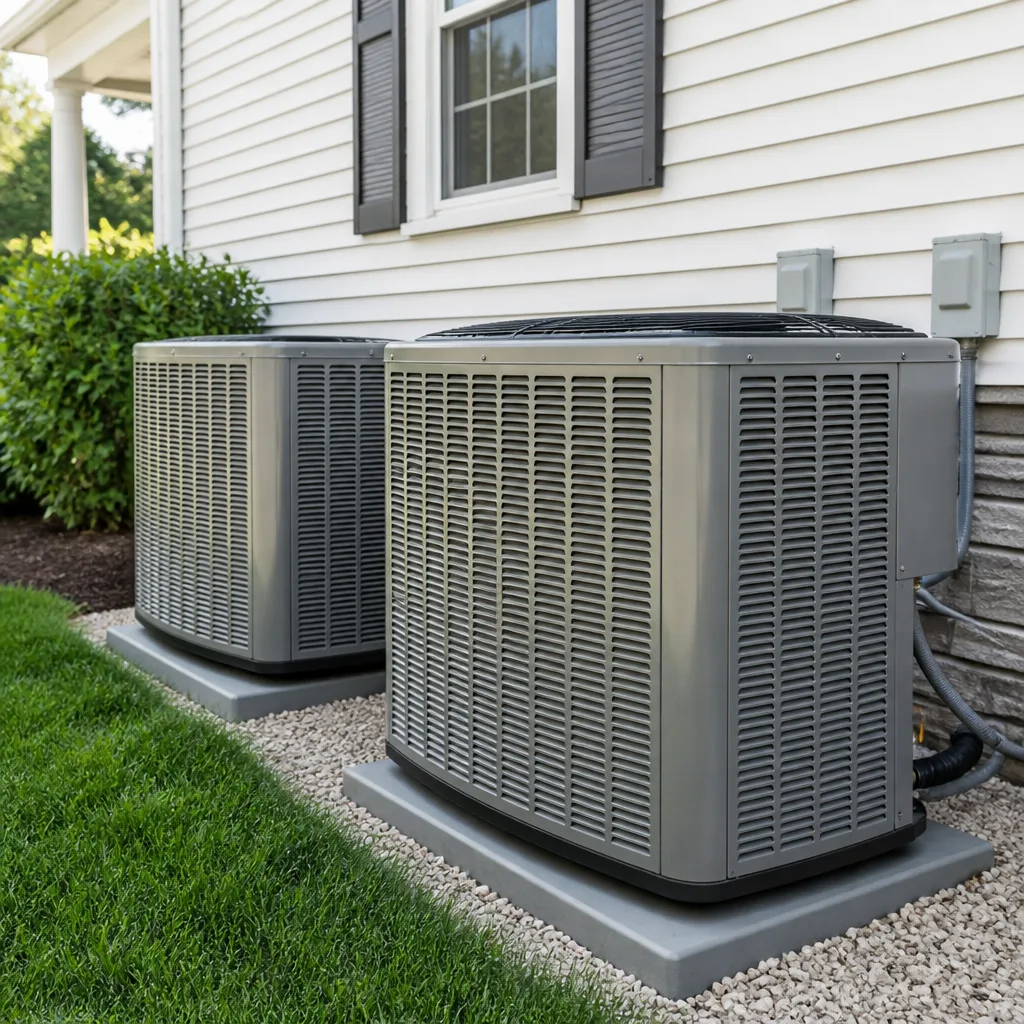 Heat pumps
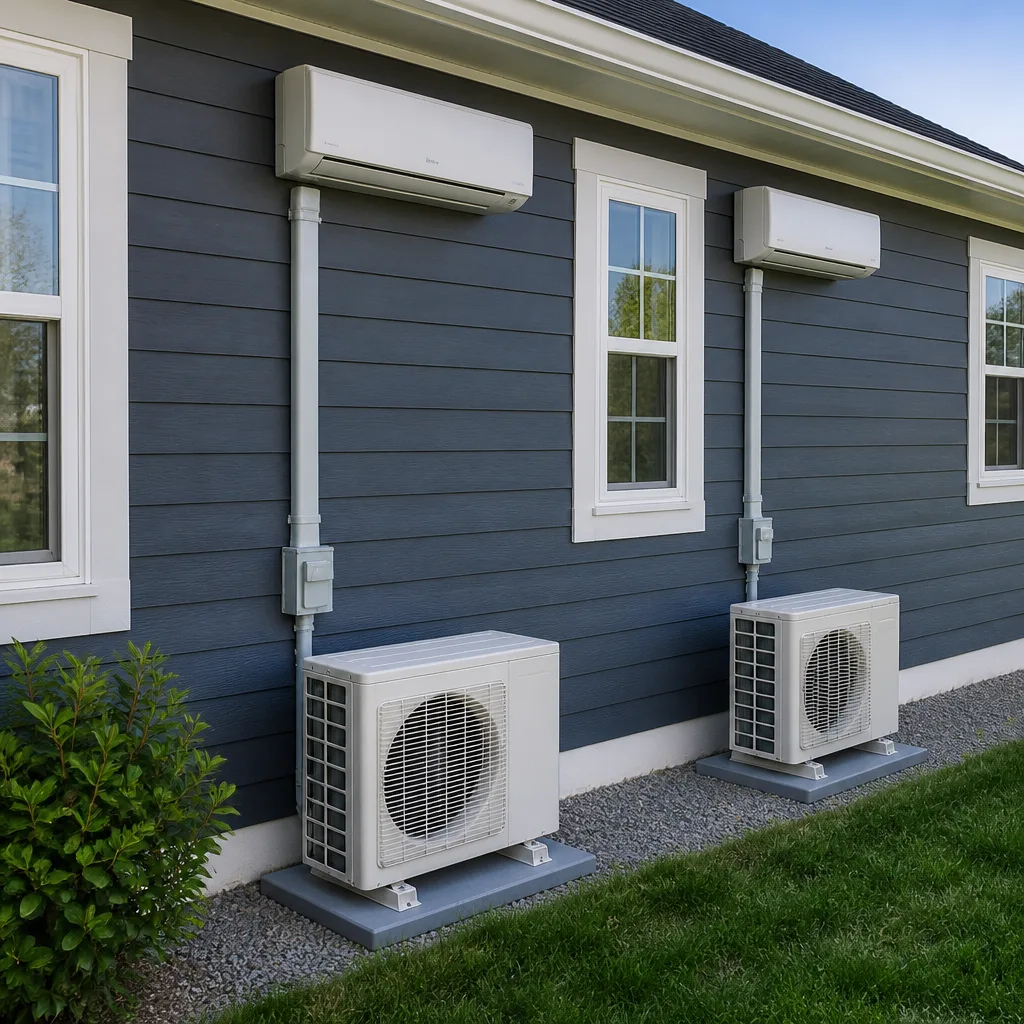 Ductless mini splits
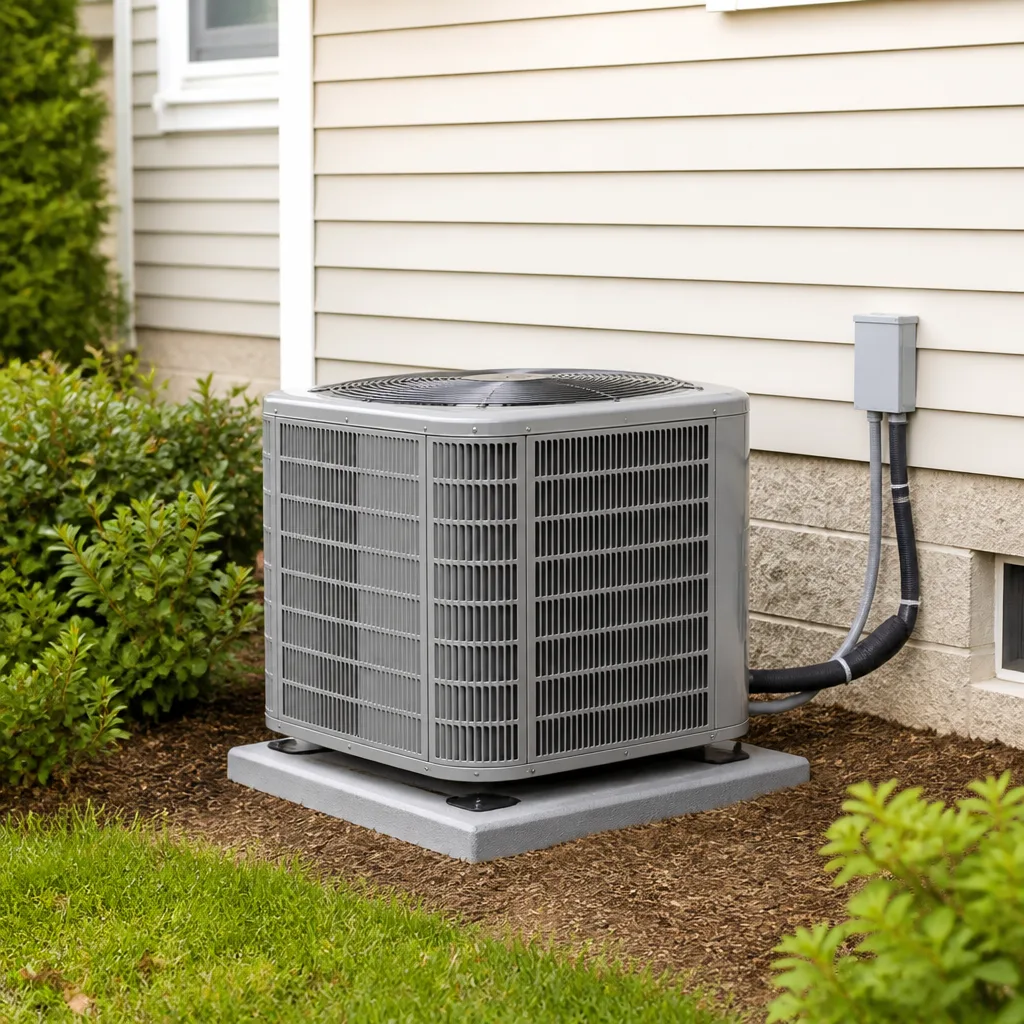 Carrier
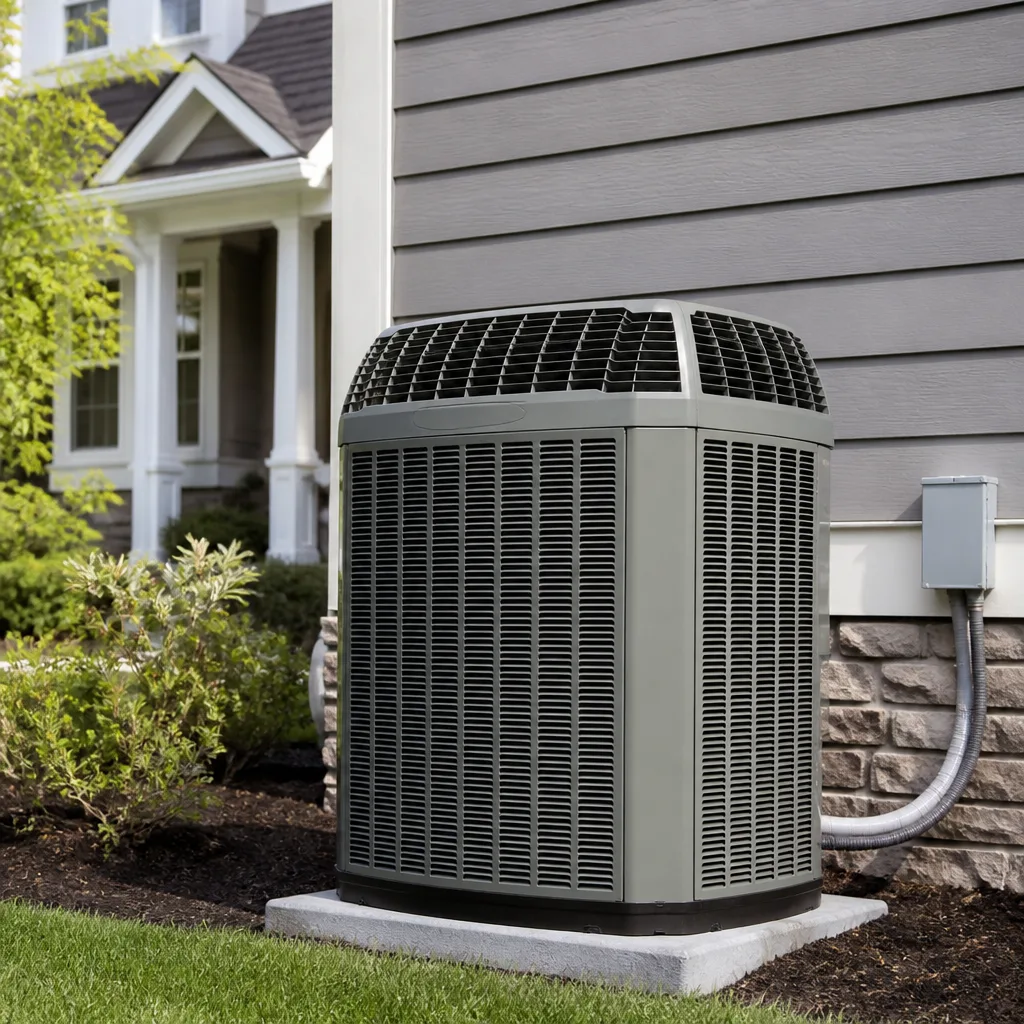 Trane
Trane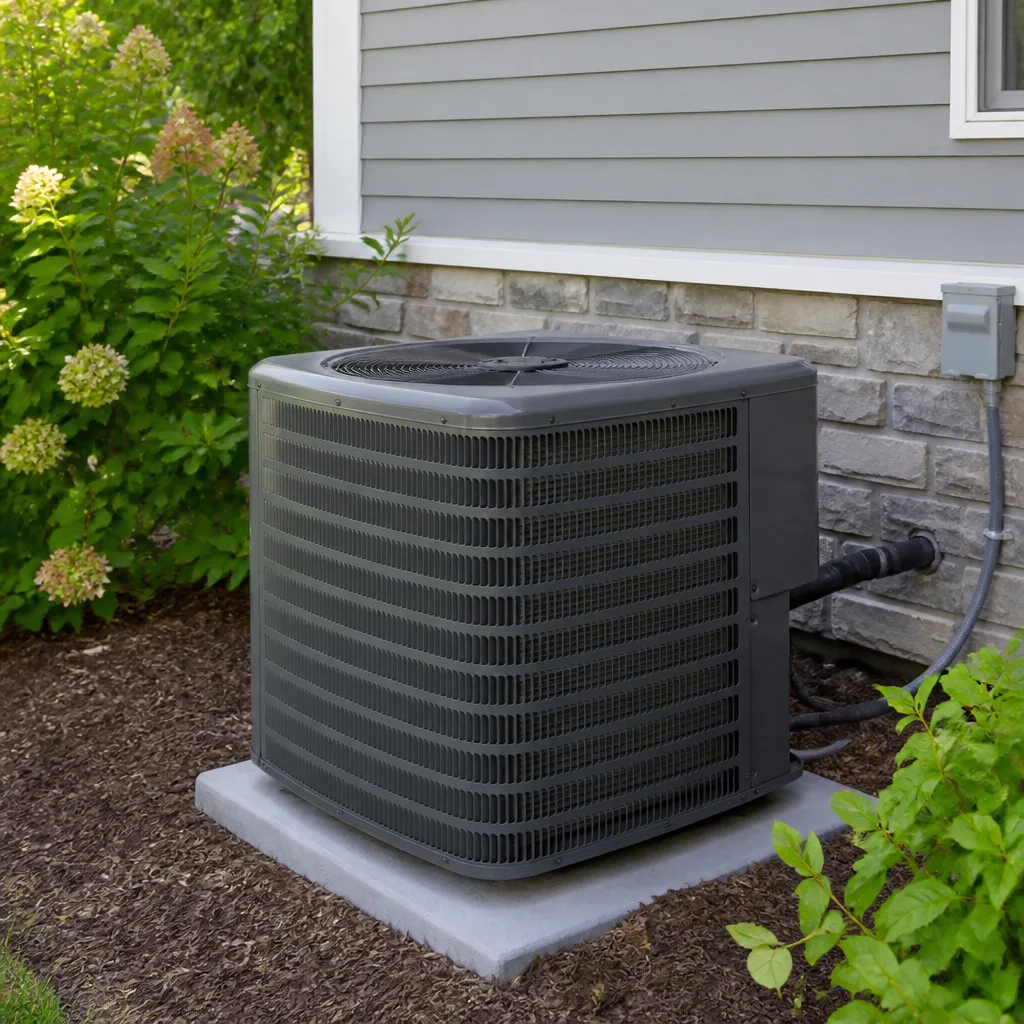 Goodman
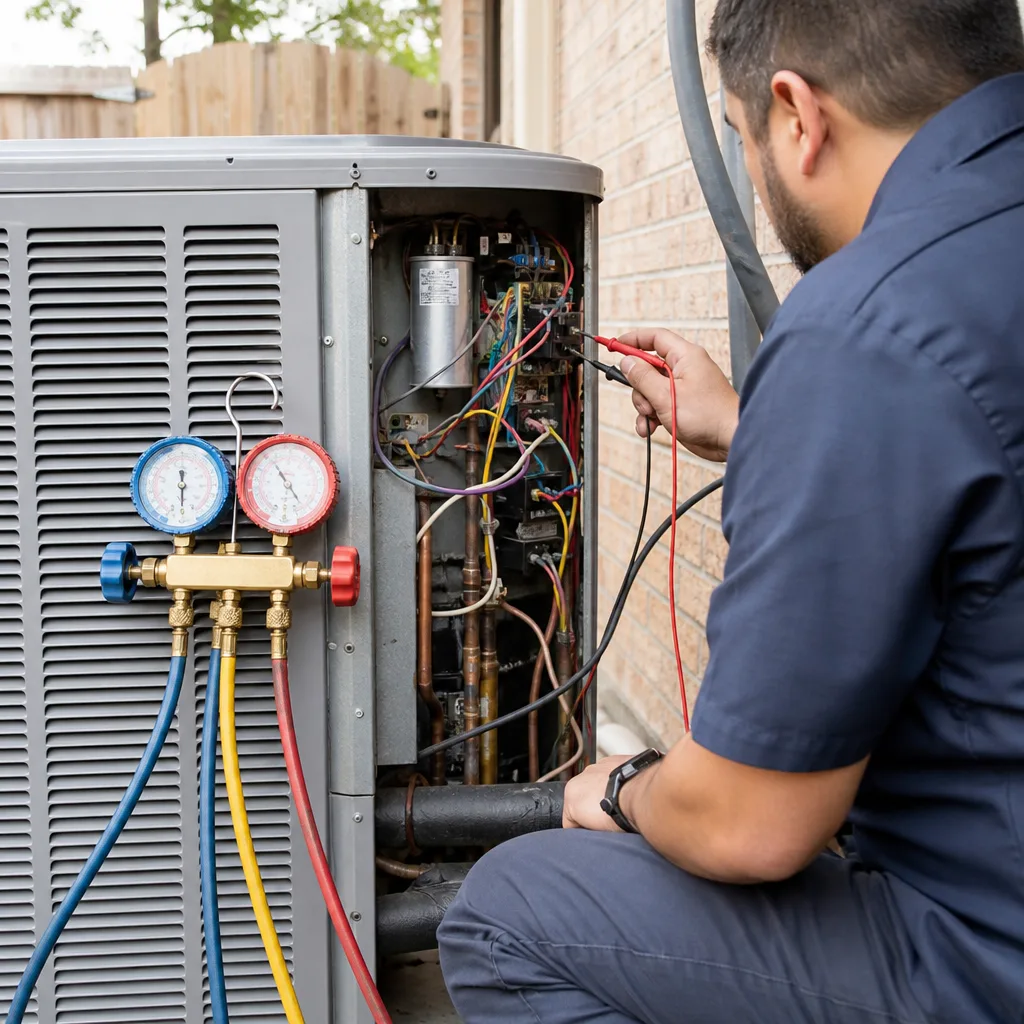
Seasonal tune-up and full diagnostic on your Carrier, Trane, or Goodman system - readings shown to you before any repair is proposed
Diagnosis first, numbers second - you approve the repair price before a single part goes in.
Get your free estimateHVAC Warning Signs: A Austin Homeowner’s Reference Guide
Here’s the thing most HVAC guides won’t tell you: the warning signs your system shows in Austin are not the same warning signs you’d read about in a generic, written-for-everywhere article. A refrigerant leak that produces a faint chemical smell and slightly warm air in Minneapolis might be a slow drip worth monitoring. In Austin in July, the same symptom can become a seized compressor in under a week because the system never gets a break from running. This guide separates the watch-it signs from the shut-it-down-now signs, explains the humidity-first diagnostic that most homeowners miss, and gives you the actual math on repair versus replacement in Austin’s market. For a broader overview, see The Complete Guide to HVAC in Austin.
Styles & brands we work with
Quick Answer
The HVAC warning signs that matter most in Austin are: a home that feels sticky before it feels warm (humidity failure, not temperature), ice forming on the copper refrigerant line outside, any new grinding or banging sound, and an unexplained spike in your Austin Energy bill during cooling season. If you notice warm air blowing from your vents, a burning smell, or ice on the line, shut the system down at the thermostat and call a professional the same day. If it’s a slight mustiness or a bill that’s 10% higher than last year, you have time to schedule a diagnostic, but don’t wait more than a week.
Table of Contents
- The Humidity-First Diagnostic: Why Sticky Air in Austin Means Your HVAC Is Failing
- Interpreting Unusual Sounds: Grinding, Squealing, Clicking, and Banging
- The Unexplained Austin Energy Bill Spike: Your Most Reliable Early Warning Sign
- Ice on the Refrigerant Line: The Warning Sign Austin Homeowners Dismiss as Normal
- Repair or Replace? The Math Austin Homeowners Should Run First
- Brand-Specific Failure Patterns: What We See on Carrier, Trane, Lennox, and Goodman Systems in Austin
- A Seasonal Warning Sign Timeline for Austin Homes
- Common Mistakes to Avoid
- When to Call a Professional
- Frequently Asked Questions
- The Bottom Line
The Humidity-First Diagnostic: Why Sticky Air in Austin Means Your HVAC Is Failing
The first thing we tell homeowners in Austin is to stop thinking about their air conditioner as a temperature machine. It is a humidity machine that happens to cool the air as a byproduct. When the system is healthy, it pulls moisture out of your indoor air before it cools it. When the system starts failing, the first thing that goes is dehumidification, not temperature. That’s why a home that feels sticky and clammy at 74 degrees is often showing you a failing system weeks before the temperature ever climbs.
You can test this yourself. Set your thermostat to 74. Wait an hour. If the house reads 74 but your skin feels damp, your system’s evaporator coil is likely not getting cold enough to condense moisture out of the air. That happens most often for three reasons in Austin: low refrigerant charge, a dirty or partially frozen evaporator coil, or an oversized system that short-cycles and never runs long enough to pull humidity out.
Here’s the part most guides miss: an oversized system is a common culprit in Austin because so many homes were spec-built with a one-size-fits-all unit. A system that’s too large for your square footage will cool the air fast, hit the thermostat setting, and shut off before it has time to dehumidify. The result is a house that reads 72 degrees and feels like a locker room. If your home cools quickly but always feels damp, the problem may not be a repair at all; it may be a sizing mismatch that no tune-up will fix. That’s the kind of finding a trained technician should document before you pour money into repairs.
The practical rule: if your house feels sticky at your normal thermostat setting, you have an HVAC problem, not a thermostat problem. Don’t turn the temperature down and call it a fix. You’re masking the symptom while the underlying issue, often a slow refrigerant leak, gets worse.
Interpreting Unusual Sounds: Grinding, Squealing, Clicking, and Banging
Systems make noise. That’s normal. What’s not normal is a new noise, a louder noise, or a noise that changes pitch as the system runs. Here’s a plain-English guide to the four sounds that send us out to Austin homes most often.
- Grinding usually means metal on metal. In the outdoor condenser unit, it’s often a failing compressor or a condenser fan motor whose bearings are shot. Urgency: high. A grinding compressor is a same-day issue. Running it can turn a $300 repair into a $3,000 replacement.
- Squealing is almost always a belt or a bearing. Older belt-driven blower motors squeal when the belt loses tension or glazes over. Newer systems squeal when a blower motor bearing starts to dry out. Urgency: medium, but don’t ignore it. A seized blower motor means no airflow at all.
- Clicking can be two different things. A single click when the system turns on is the contactor doing its job. Repeated, rapid clicking, or clicking that comes with no start, usually points to a failing capacitor, a weak contactor, or a control board that’s losing its mind. Urgency: medium. A capacitor that’s going bad will fail completely, usually on the hottest day of the year.
- Banging has three common causes, and only one is cheap. A banging sound in the ducts is often expansion and contraction; annoying but harmless. A banging from the outdoor unit can mean a loose fan blade or a failing compressor mount. A banging from the furnace cabinet on start-up can be delayed ignition, which is a combustion issue and should be treated as urgency: high.
One Austin-specific tip: if you hear any of these sounds, note whether they change as the system runs longer. A sound that fades after five minutes is usually thermal expansion. A sound that gets worse as the system heats up is usually mechanical wear. The second one needs a technician.
The Unexplained Austin Energy Bill Spike: Your Most Reliable Early Warning Sign
Here’s a statistic that should shape how you watch your HVAC system: most compressor failures show up on your electric bill 60 to 90 days before they show up as a no-cool call. A compressor that’s working harder than it should, because of low refrigerant, a dirty outdoor coil, or a failing capacitor, draws more current. That extra current shows up as a higher Austin Energy bill. The system may still be cooling fine. The air coming out of the vents feels cold. But the meter is telling you something the vents are not yet saying.
The rule we give homeowners in Austin: compare your summer cooling bills to the same months last year, not to the month before. Weather, not your HVAC health, explains most month-over-month swings. But if June of this year is 20% higher than June of last year, and the weather was comparable, something in the system is losing efficiency.
What can cause an efficiency drop without any obvious comfort symptom?
- A slow refrigerant leak that’s only 10-15% low. The system still cools, but it runs longer cycles to hit the same temperature.
- A dirty outdoor coil. Austin’s summer dust, cottonwood, and construction debris coat the condenser fins and choke heat transfer. A coil that’s 30% blocked can raise cooling costs by 10-15%.
- A failing start capacitor. The compressor still starts, but it struggles, drawing higher in-rush current every single cycle.
- Duct leakage in the attic. Austin attics routinely hit 140 degrees in July. If your supply ducts are leaking even 15% of your cooled air into that attic, the system runs longer to compensate.
None of these problems will trip a visible warning light. The bill is the warning light. If your summer bill makes no sense, call for a diagnostic before the system makes the decision for you.
Ice on the Refrigerant Line: The Warning Sign Austin Homeowners Dismiss as Normal
In Austin, we see homeowners post photos of ice on their AC line to neighborhood Facebook groups, asking if it’s normal. The comments are often full of people saying yes, it’s just the Texas heat. Here’s the truth: ice on your refrigerant line or on the outdoor unit itself is never normal. It is always a sign that the system is operating outside its designed parameters, and in Austin’s summer it deserves a same-day service call.
The line that ices up is the larger of the two copper pipes running from your outdoor condenser to your indoor evaporator coil. It carries refrigerant back to the compressor. Ice on that line means the refrigerant is not fully evaporating inside the indoor coil. The liquid refrigerant that should have turned to gas is instead boiling off in the suction line, which drops the line temperature below freezing and forms ice.
What causes it:
- Low refrigerant charge. The most common cause. A leak has dropped the system pressure, which drops the evaporator temperature below freezing. The moisture in your indoor air freezes on the coil, and that ice backs down the line.
- Restricted airflow. A badly clogged filter, a dirty blower wheel, or a collapsed duct reduces the warm air crossing the coil. Without enough warm air to absorb heat, the coil temperature drops and ice forms.
- A failing blower motor. The air handler fan isn’t moving enough air. Same result as above; the coil freezes because there’s not enough heat load crossing it.
The danger: a frozen evaporator coil stops absorbing heat, which means the compressor is now pumping liquid refrigerant instead of gas. Liquid refrigerant is called slugging, and it will destroy a compressor. That’s why we say this is a shut-it-down-now sign, not a watch-it sign. Turn the system off at the thermostat. Let the ice melt. Then call a technician. Running the system with ice on the line is the single fasted way to turn a refrigerant recharge into a full compressor replacement.
Repair or Replace? The Math Austin Homeowners Should Run First
Every major repair decision comes down to one question: is this repair buying time or buying trouble? Here’s the math we walk Austin homeowners through, step by step. For a deeper dive, check out our AC Repair Maintenance Checklist for Austin Homeowners.
- Get the repair quote first. Before you can run the math, you need the actual cost. In Austin, expect $150-$280 for most igniter replacements, $250-$450 for a capacitor and contactor job, $300-$600 for a blower motor, and $800-$1,500 for a compressor replacement depending on brand.
- Multiply the repair cost by the system’s age factor. Take the repair quote and multiply it by the number of years the system has left, divided by five. Here’s what that means: if your system is 8 years old and the average lifespan in Austin’s heat load is 12-15 years, you have maybe 4-7 years left. A $900 compressor repair on a system with 4 years of life left is $225 per year of remaining life. That’s still cheaper than replacement.
- Compare that number to a new system’s cost per year. A new, properly sized AC installation in Austin typically runs $6,500-$12,000 depending on SEER rating and ductwork condition. Over a 15-year life, that’s $433-$800 per year. If your repair cost per remaining year is approaching the replacement cost per year, replacement makes more sense.
- Apply the rule of thumb, but don’t worship it. The old rule says multiply the repair cost by the system’s age; if the result is over $5,000, replace. It’s a rough guide, not gospel. The better rule: if the repair is more than 50% of the cost of a new system, and the system is more than 10 years old, replace. If the repair is under $500 and the system is under 12 years old, repair.
- Consider the refrigerant. If your system runs on R-22 (commonly called Freon, installed before 2010), a refrigerant leak is expensive to fix because R-22 is no longer produced or imported. Recharging an R-22 system in Austin can cost $150-$200 per pound, and most systems need 6-10 pounds. That’s $900-$2,000 just for refrigerant. When the recharge cost approaches the value of the system, replacement moves from good idea to obvious choice.
One more Austin-specific note: the heat load here is harder on systems than in most of the country. A 12-year-old system in Austin has run more hours than a 15-year-old system in the Northeast. When you’re doing this math, you should mentally subtract a couple of years from the national average lifespan. Austin systems simply age faster.
Brand-Specific Failure Patterns: What We See on Carrier, Trane, Lennox, and Goodman Systems in Austin
In our experience, brand quality matters less than installation quality and maintenance history. But certain failure patterns do show up by brand, especially under Austin’s heat and humidity load. Here’s what we see most when we’re called out for AC Repair in Austin.
Carrier: The most common issue we see on Carrier systems is control board failure, particularly on units that are 10-15 years old and have been through a dozen Austin summer lightning seasons. Power surges and brownouts take a toll. The good news is that Carrier parts are widely stocked in Austin, so repair times are usually short.
Trane: Trane compressors are tough, but we see more condenser fan motor failures on Trane units than on other brands. In a Austin summer, a failed condenser fan motor will overheat the compressor quickly. If you have a Trane, listen to the outdoor unit. A rattling or screeching fan is your early warning.
Lennox: Lennox systems are efficient, but we see ignition problems on older gas furnaces and more evaporator coil leaks on the air conditioning side. If your Lennox furnace in Austin is short-cycling on heat, it’s usually a flame sensor or igniter, and those are quick, affordable fixes.
Goodman: Goodman gets a reputation as a budget brand, but the truth is that a well-installed Goodman can outlast a poorly installed premium brand. What we see with Goodman in Austin is often installation-related: undersized returns, flex duct that’s crushed, and systems that were never commissioned correctly. The failure pattern isn’t the brand; it’s the install quality on builder-grade homes.
The takeaway: brand matters less than the quality of the technician who installs and services it. Our technicians are trained to service nine major residential brands, including Carrier, Trane, Lennox, and Goodman, which means the person who shows up at your Austin home has worked on your exact system before.
A Seasonal Warning Sign Timeline for Austin Homes
Austin’s climate creates a predictable rhythm of HVAC stress. For detailed seasonal tasks, see our Seasonal HVAC Care for Austin: Year-Round Homeowner’s Guide. Here’s what to watch for, season by season.
March-April: The pollen window. Austin’s spring allergy season dumps a layer of pollen and dust on every outdoor condenser coil. A coil that’s coated in pollen can’t reject heat, which means your system works harder from the very first hot day. If you haven’t had the outdoor unit cleaned, late March is the time in Austin to do it.
May-June: The first real heat. This is when systems that limped through the previous summer finally die. A system that made it to October last year on a weak capacitor or a slow refrigerant leak will not make it through June. If your system struggled last August but you didn’t fix whatever caused it, schedule a diagnostic before the first 95-degree week.
July-August: Peak load. Your system runs 14-18 hours a day. This is when compressors that were already damaged by slugging or overheating finally seize. Watch your Austin Energy bill in July. A June-to-July bill that jumps more than the temperature explains is a warning sign you should not ignore.
September-October: The relief window. The heat breaks, the system gets a rest, and homeowners forget about HVAC entirely. This is actually a good time in Austin to run a routine check, because demand is low and scheduling is easy.
November-December: The heating transition. The first cold snap in Austin catches many furnaces off guard. Dust accumulates on the burners and heat exchanger during the long cooling season. The first heat cycle of the year can smell like burnt dust, which is normal for the first hour. If the burning smell persists for more than an hour, or you smell gas, shut it down and call for Furnace Repair in Austin.
Common Mistakes to Avoid
- Turning the thermostat way down to cool faster. Your system cools at one speed regardless of the setpoint. Setting it to 68 when it’s 98 outside doesn’t cool the house faster; it just makes the system run longer and increases your Austin Energy bill.
- Closing vents in unused rooms. This seems logical but it actually increases static pressure in the duct system and makes the blower work harder. In Austin’s heat, that extra strain can shorten blower motor life. Keep at least 80% of your vents open.
- Ignoring a musty smell from the vents. That smell is usually microbial growth on a wet evaporator coil or a clogged condensate drain. The fix is often a simple cleaning and drain flush. Left alone, the same moisture can damage ductwork and indoor air quality.
- Running the system with a noticeably dirty filter. The filter’s job is to protect the equipment, not just the air. A clogged filter restricts airflow, freezes the coil, and can destroy a compressor. In Austin’s dusty climate, check the filter monthly during summer.
- Delaying a repair because the system is still working. A system that makes a new noise or runs longer cycles is telling you something. Waiting until it fails outright always costs more. Early repairs are almost always cheaper than catastrophic failures.
- Recharging refrigerant without finding the leak. If a technician offers to top off your refrigerant without mentioning a leak search, get a second opinion. Refrigerant doesn’t get used up. If it’s low, it leaked. Recharging without finding the leak is like refilling a flat tire without patching the hole. You’ll be back in the same spot before summer ends.
When to Call a Professional
Some warning signs you can watch for a few days. Some need a same-day call. Here’s the line. Call a professional today if you see ice on the refrigerant line, hear a grinding or banging from the outdoor unit, smell burning that lasts more than an hour, or have warm air blowing from your vents on a hot Austin day. Call within the week if you have a sticky feeling at your normal temperature, a bill that’s 20% higher than the same month last year, a new squeal or rattle, or a system that short-cycles on and off every few minutes. Watch and document if the system runs a little longer than it used to or the airflow feels slightly weaker. Cold Harbour Heating and Air Austin offers free estimates in Austin. Call (361) 204-1605 and a live person answers, any hour, any day.
If your system is past the point of practical repair, our team also handles AC Installation in Austin with written upfront pricing and a set install date.
Frequently Asked Questions
The most common HVAC warning sign we see in Austin is a home that feels humid or sticky at the temperature the thermostat reads, and it usually points to a refrigerant leak or restricted airflow across the evaporator coil. If your house feels damp at 74 degrees, call for a diagnostic at (361) 204-1605; it’s a cheaper fix when caught early.
Ice on the outdoor AC line in hot weather means the refrigerant isn’t fully evaporating in the indoor coil, and the line temperature has dropped below freezing; the cause is usually low refrigerant or restricted airflow. Turn the system off immediately and let it thaw before calling a technician, because running it with ice on the line can destroy the compressor.
In our experience, most capacitor and contactor replacements run $250-$450, blower motor replacements $300-$600, and compressor replacements $800-$1,500, all parts and labor included. Call (361) 204-1605 for an exact quote before any work begins; we put the price in writing before a single tool comes out.
Repair if the system is under 10 years old and the repair is under $500; replace if the system is over 10 years old and the repair is more than 50% of the cost of a new unit. Austin systems age faster than the national average because of the heat load, so factor that into your math.
A bill that’s 20% higher than the same month last year, with similar weather, usually means your system has a slow refrigerant leak, a dirty outdoor coil, or a weakening capacitor that’s making the compressor work harder. The meter usually notices a failing system 60-90 days before you notice a comfort problem.
We answer the phone with a live person 24 hours a day, 7 days a week, and we schedule repair visits in a firm arrival window, so same-day service is often possible for urgent issues like ice on the line or a grinding compressor. Call (361) 204-1605 and we’ll tell you exactly when a technician can arrive.
The Bottom Line
Your HVAC system in Austin talks to you before it fails. It tells you through humidity, through sound, through your electric bill, and through ice on the line. The homeowners who avoid the misery of an August no-cool are the ones who listened in June. Learn the difference between a watch-it sign and a shut-it-down-now sign, run the repair-or-replace math when the estimate comes in, and don’t ignore the bill. Cold Harbour Heating and Air Austin has been serving Austin since 2003, with written pricing before work begins, a written 365-Day Done Right Promise on every repair, and a live person answering the phone at (361) 204-1605 any hour you call. When a warning sign shows up, you don’t have to figure it out alone.
For more on what we do, start at our Cold Harbour Heating and Air Austin home page.
Written by Victor Mancini, Owner at Cold Harbour Heating and Air Austin, serving Austin since 2003. Explore more guides & resources from our team.
See the difference
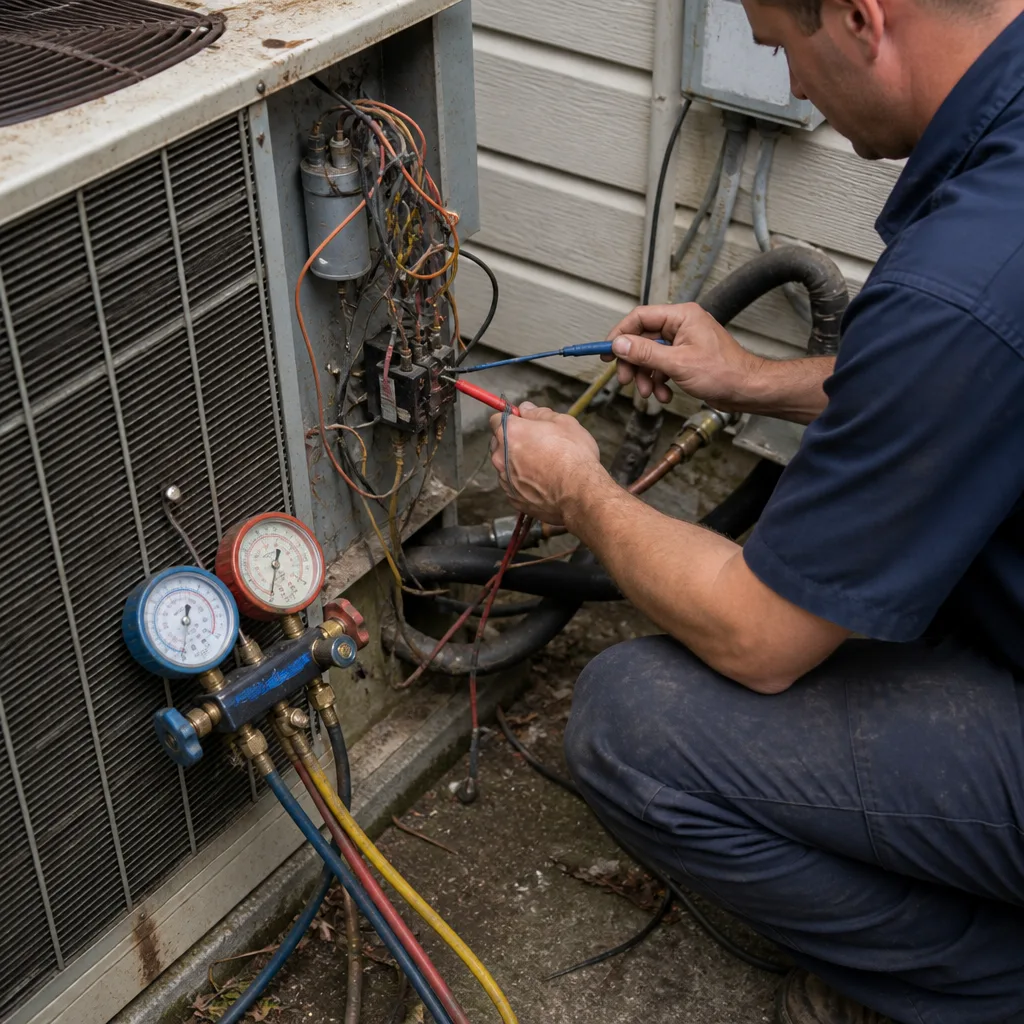 Before
 After
After Before
 After
After Before
 After
After