
Last updated October 16, 2026
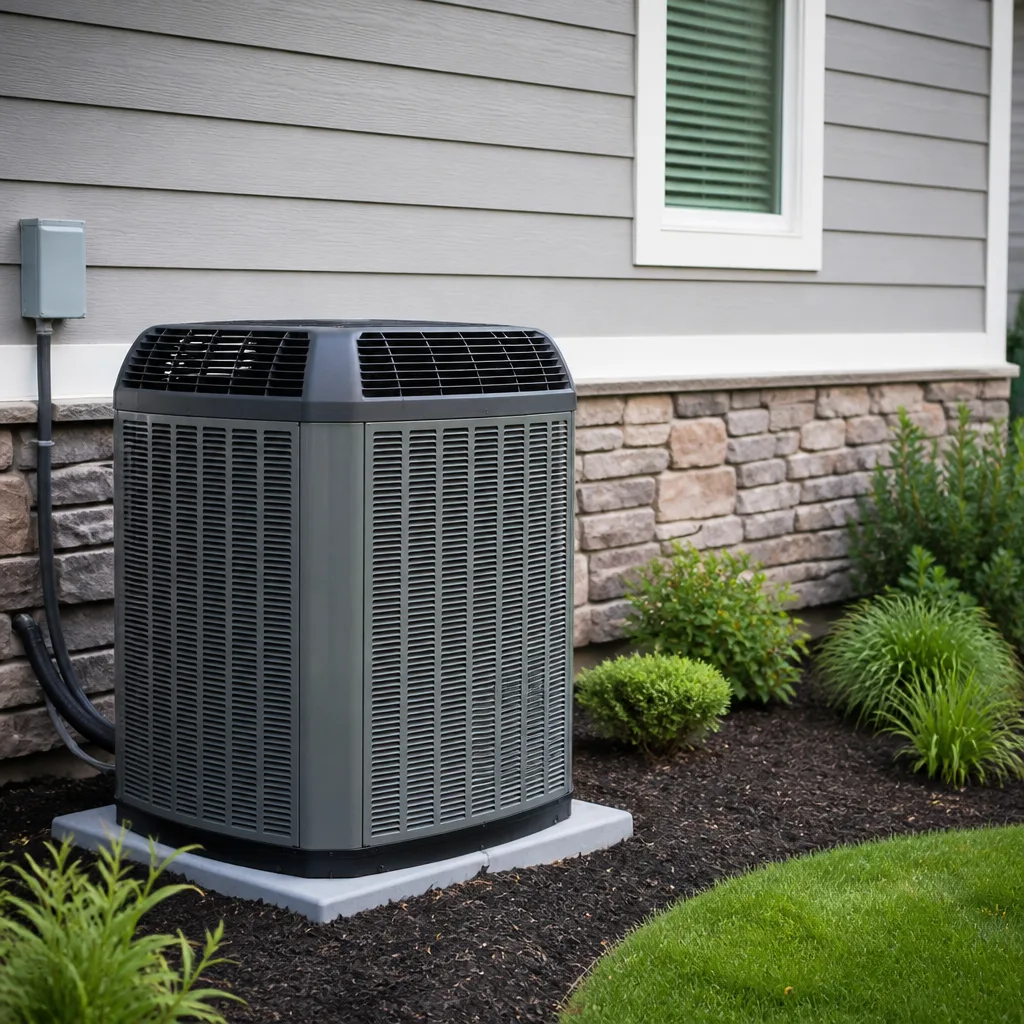 AC repair
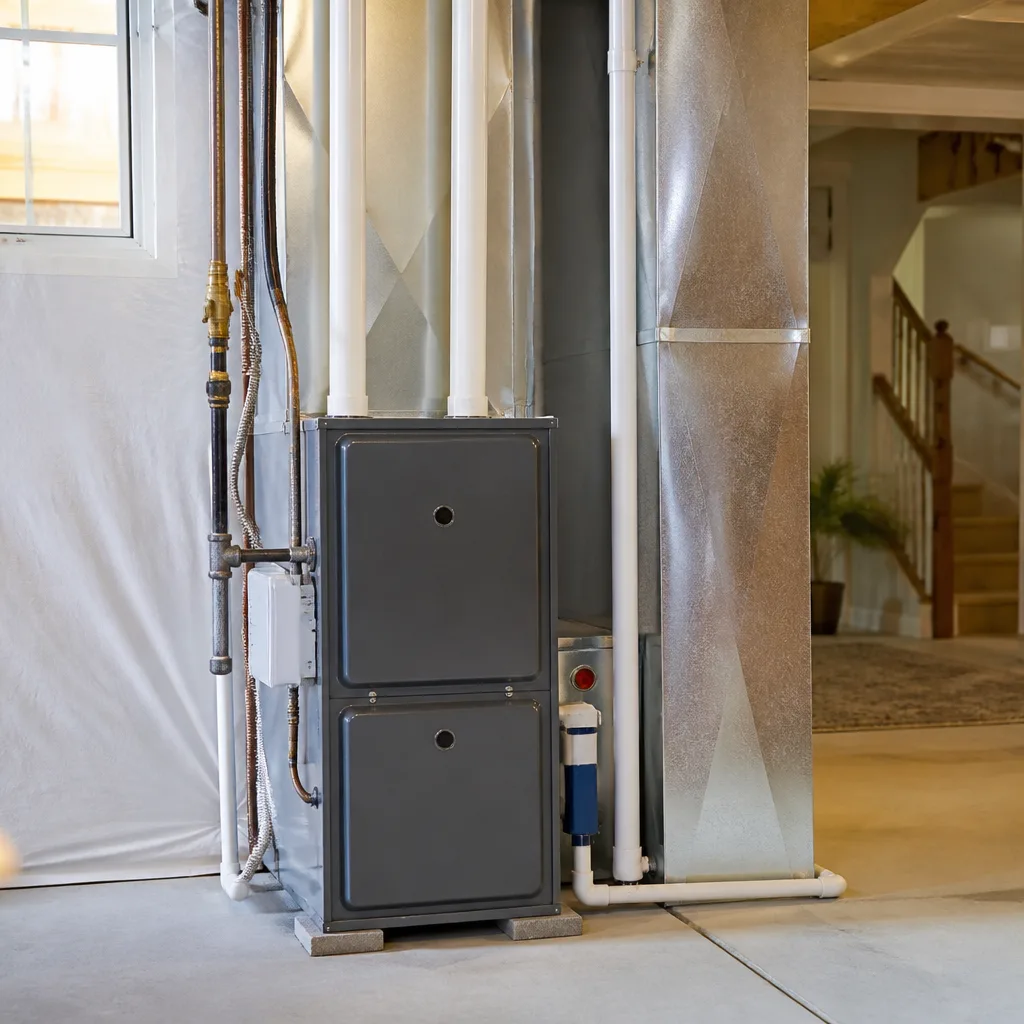 Furnace & heating
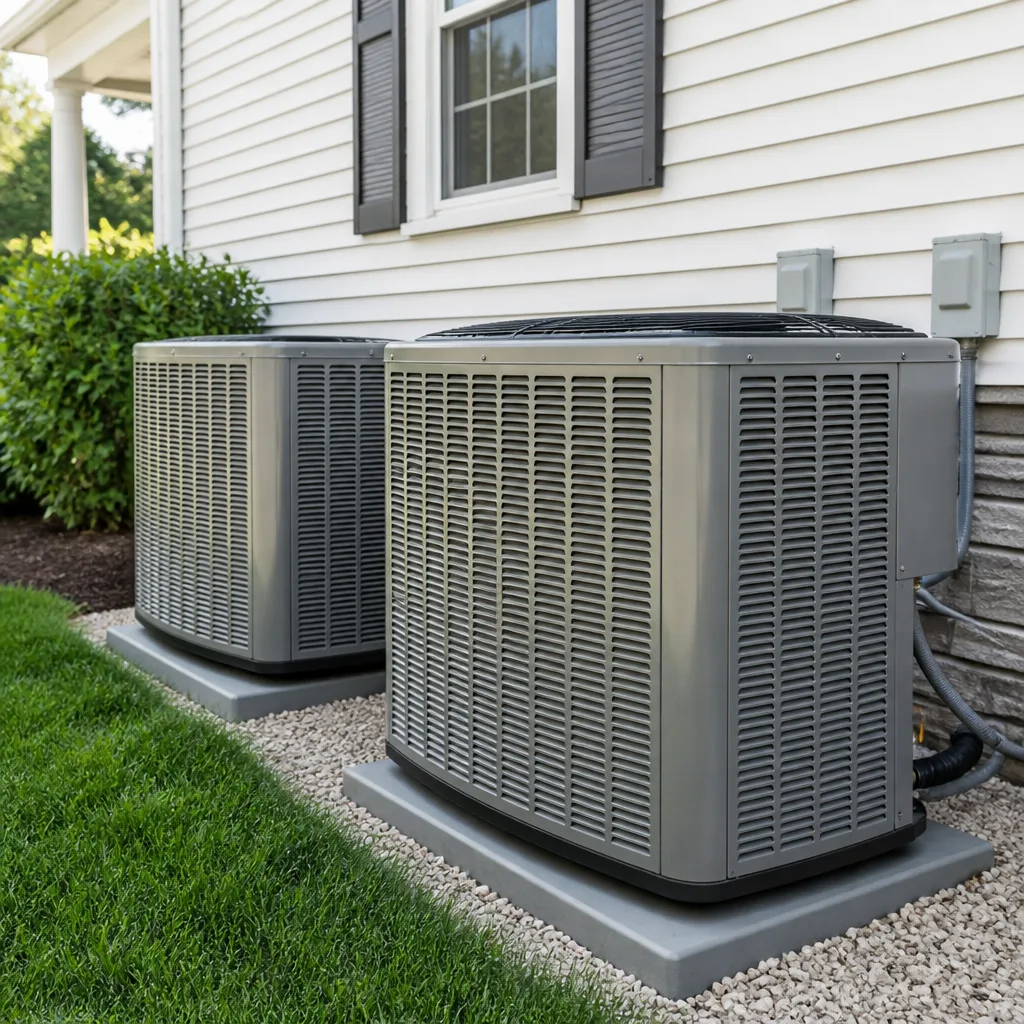 Heat pumps
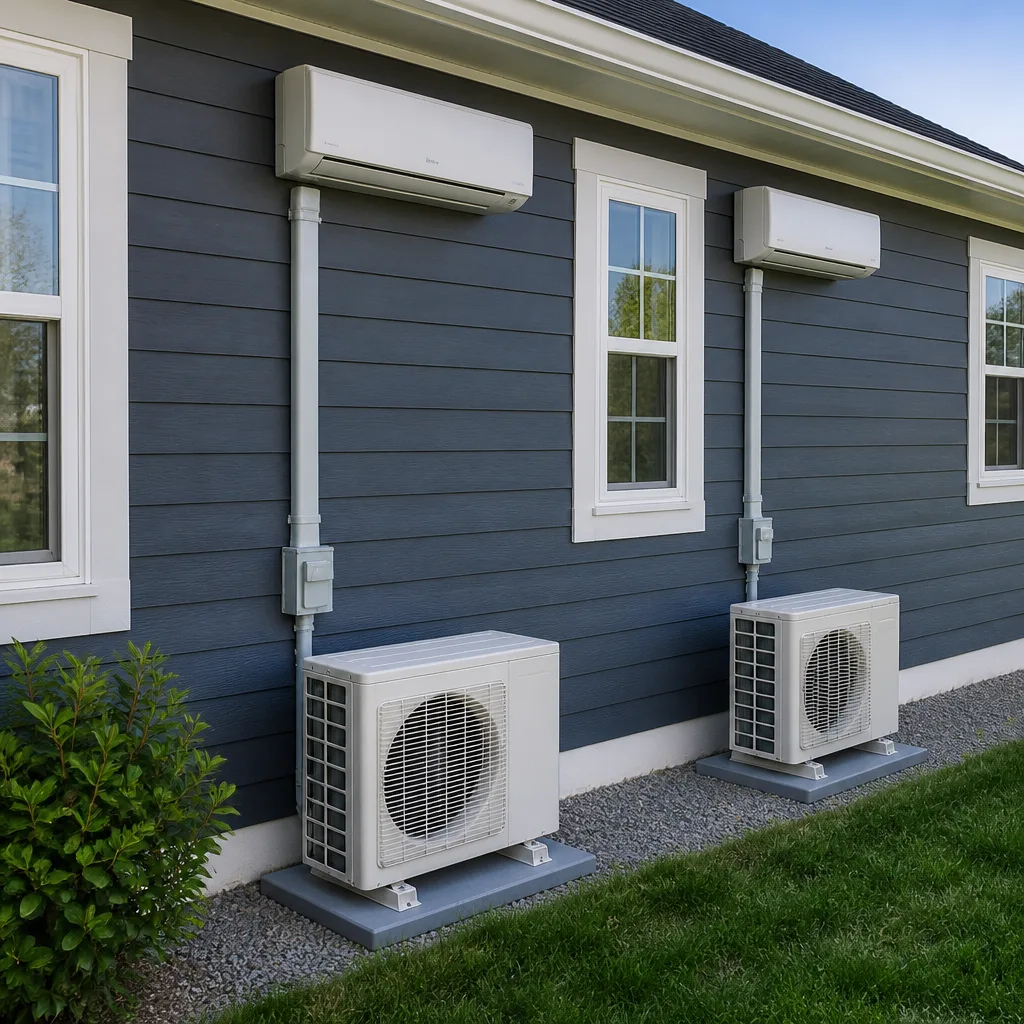 Ductless mini splits
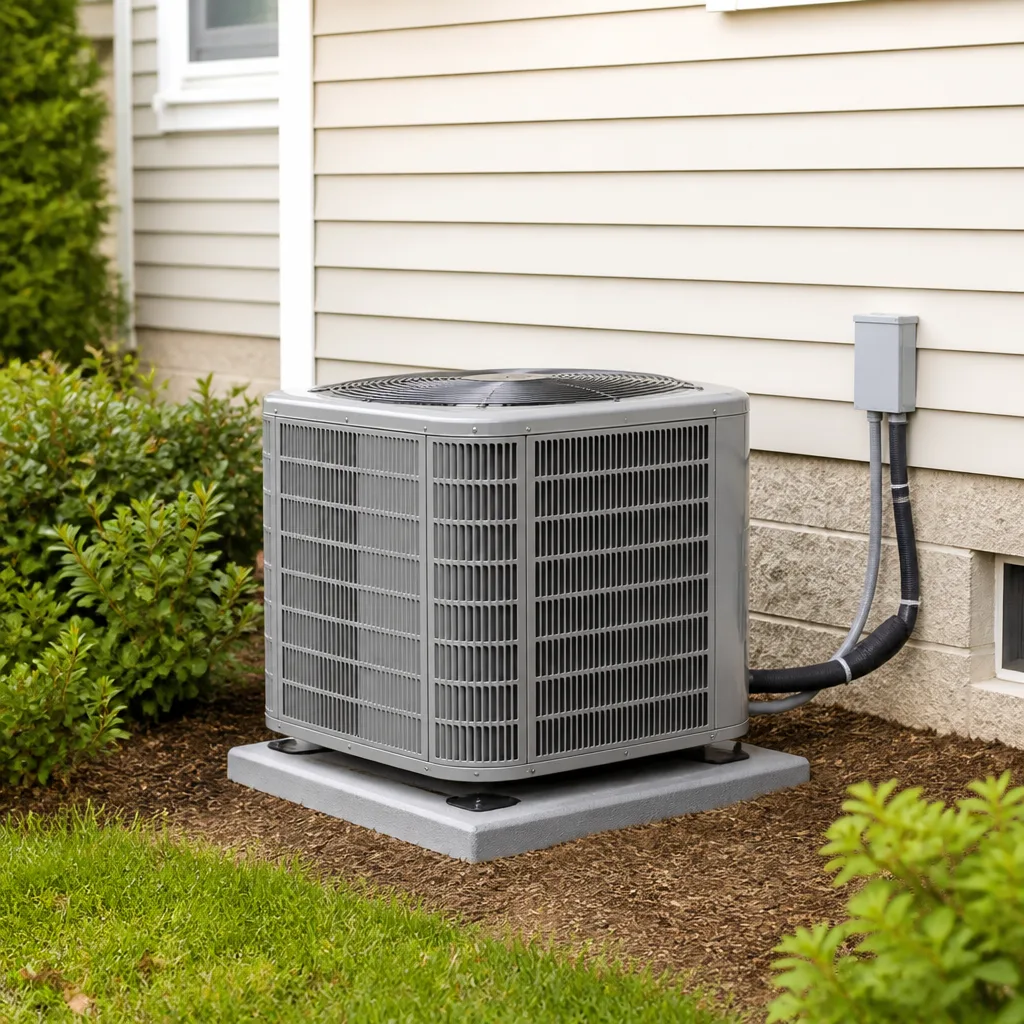 Carrier
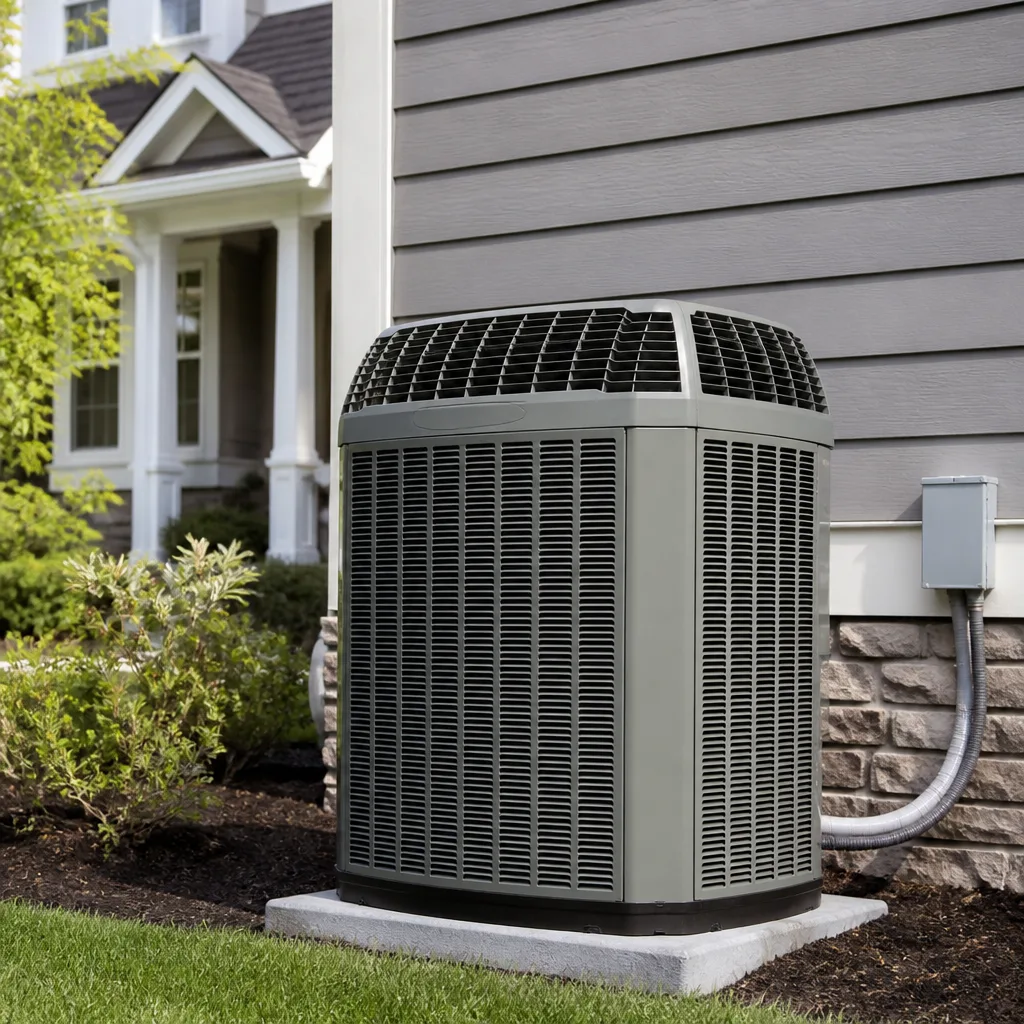 Trane
Trane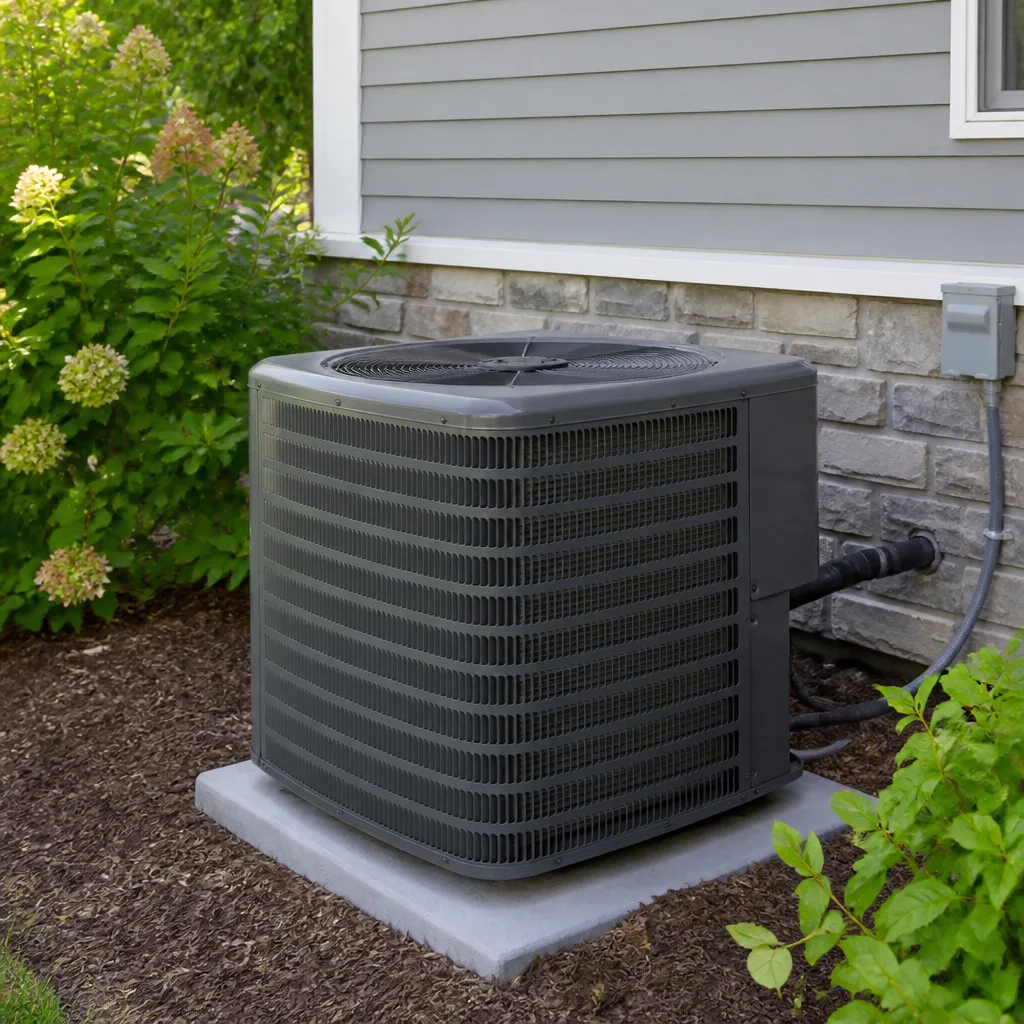 Goodman
Seasonal tune-up and full diagnostic on your Carrier, Trane, or Goodman system - readings shown to you before any repair is proposed
Diagnosis first, numbers second - you approve the repair price before a single part goes in.
Get your free estimateSeasonal HVAC Care for Austin: Year-Round Homeowner’s Guide
Here’s the number that reframes everything about HVAC maintenance in this city: Austin’s heating season lasts roughly sixty days, while the cooling season runs close to two hundred. A maintenance calendar built for Chicago or Minneapolis gives equal weight to the furnace and the AC, which means Austin homeowners end up spending money prepping a heating system they barely use while the air conditioner, the machine doing eight months of real work, gets ignored until the first triple-digit week. This guide walks through a care schedule built around Austin’s actual climate: two short shoulder seasons, one long brutal summer, and a winter that matters less for sustained cold than for what happens when a rare freeze catches a heat pump off guard. For a broader overview, see The Complete Guide to HVAC in Austin. We’ll cover what to check, when to check it, how much seasonal service typically runs, and which tasks you can safely do yourself versus which ones need a trained technician.
Styles & brands we work with
Quick Answer
Seasonal HVAC care in Austin means shifting maintenance attention heavily toward the cooling system: schedule a professional AC tune-up in March or early April before demand pricing kicks in, change filters monthly during cedar season and peak summer, keep the outdoor condenser clear of debris year-round, and get the heat pump or furnace checked once in late January or February rather than treating fall and spring as equal-priority service windows. Our AC Repair Maintenance Checklist for Austin Homeowners covers the full task list. Expect to budget roughly $140 – $260 per year for professional seasonal maintenance in Austin, less than half what a single major compressor failure costs.
Table of Contents
- Austin’s Real HVAC Calendar: Two Brutal Seasons and Two Short Windows
- January – February: The One Heating Task Worth Doing Before the Next Cold Snap
- March – April: The Highest-Value Service Window of the Year
- May – September: In-Season Checks You Can Do (and the One Sign to Call Now)
- October – November: The Post-Cooling Season Task Most Homeowners Skip
- Cedar Fever and Filters: Why December – February Clogs Filters Faster
- What Seasonal HVAC Service Costs in Austin
- Common Mistakes to Avoid
- When to Call a Professional
- Frequently Asked Questions
- The Bottom Line
Austin’s Real HVAC Calendar: Two Brutal Seasons and Two Short Windows
Most national HVAC advice assumes four seasons of roughly equal weight, each deserving its own tune-up. Austin doesn’t work that way. The city averages around 200 cooling degree days per year and fewer than 60 heating degree days, which in plain English means your air conditioner works roughly three times harder than your furnace or heat pump heating mode ever will. The practical takeaway: a dollar spent maintaining the cooling side of your system returns far more than a dollar spent on the heating side, and any maintenance schedule that treats them as equals is wasting money.
Here’s what the calendar actually looks like from a system’s perspective, based on what we see at Cold Harbour Heating and Air Austin home service calls across the city:
- January – February: The only stretch where heating genuinely matters, and even then, it’s brief. Most Austin homes run the heater for two to four weeks total.
- March – April: The critical transition. Temperatures climb fast, and this is the window to get cooling work done before every HVAC company in Travis County gets slammed.
- May – September: The cooling grind. Five months of near-continuous AC operation. Compressors die in this window, almost always from deferred maintenance.
- October – November: A short breather. Systems shut down for a few weeks, and the smart homeowners are the ones who do post-season cleanup rather than ignoring the system until spring.
- December: Cedar fever season collides with holiday schedules. Filter changes matter more this month than any other.
The name we operate under comes from a cold harbour: a roadside shelter where travelers waited out rough weather. The job in Austin is the same concept, applied to a climate most guides don’t understand. Comfort in any season means planning for the season that actually does the damage here, and that’s summer.
January – February: The One Heating Task Worth Doing Before the Next Cold Snap
Most Austin furnaces and heat pumps spend fifty weeks a year doing nothing. Then a hard freeze rolls down from the Panhandle, the system fires up for the first time since last winter, and whatever was wrong with it a year ago is still wrong now. This is why a single heating check in late January or early February has outsized value: it costs less than a full seasonal tune-up and catches the one problem that will surface exactly when you most need heat.
The task worth doing, specifically: have a technician inspect and clean the heat exchanger or heat strips, test the ignition sequence or heat pump reversing valve, check carbon monoxide levels on gas furnaces, and confirm the system switches between heating and cooling modes without fault. That last point matters more in Austin than in colder cities because our heating equipment sits idle for so long. In our experience across Austin, a heat pump that ran fine in December is more likely to fail during the second or third hard freeze of the season than during the first, because the reversing valve and defrost board are the components that seize up from disuse, not from overuse.
Here’s a cold-weather reality check specific to Austin: when the temperature drops into the teens or low twenties, a standard air-source heat pump struggles to extract enough heat from the outside air. That’s normal and expected. What’s not normal is the auxiliary heat strips failing to kick in when that happens. A technician should verify the auxiliary strips are drawing the right amperage and that the thermostat is wired to call for them automatically. If the strips fail during a freeze, the heat pump runs continuously without making the house warmer, and your electric bill spikes while you shiver. For homes with a gas furnace instead, the equivalent check is making sure the flame sensor is clean enough to hold a steady flame. Flame sensors get a film of carbon on them over time; a furnace that fires up and shuts down three seconds later is almost always a dirty flame sensor, a repair that typically runs $90 – $180 in Austin.
If your heating system is a gas furnace and Furnace Repair in Austin becomes necessary in January, don’t wait. The two-week stretch after a freeze is when furnace repair demand peaks citywide, and scheduling ahead of the cold snap costs less than emergency-priority service during it.
March – April: The Highest-Value Service Window of the Year
If you do exactly one professional maintenance visit per year, schedule it in March or early April. Here’s the logic, and it’s based on how Austin’s HVAC service market actually prices its work: once the first 90-degree week hits in mid-to-late April, every cooling-related service call in the city shoots up in demand. Companies that offered a $79 or $99 tune-up in February are quoting $150 – $200 for the same visit in May, because they can. Scheduling your annual cooling check in March means paying pre-demand pricing and getting the technician’s full attention rather than a rushed visit between emergency calls.
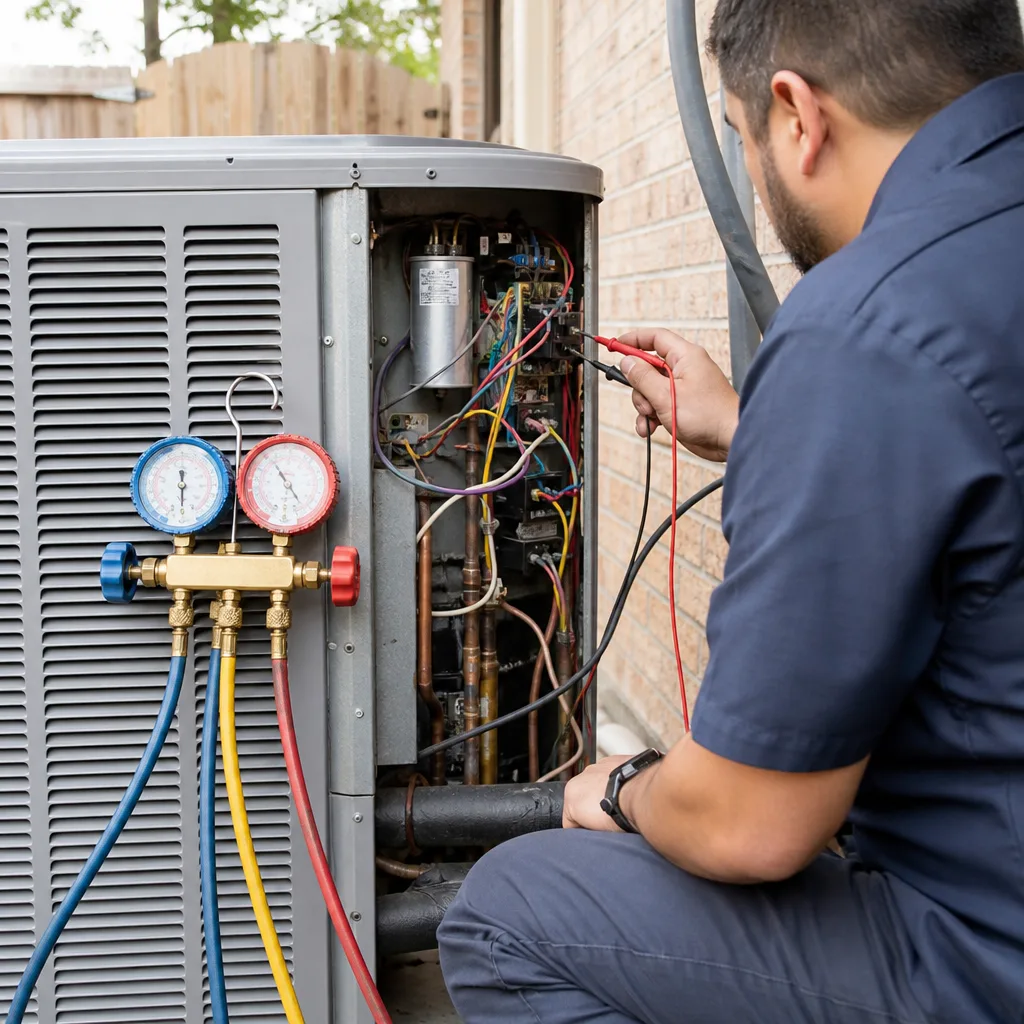
A proper pre-season cooling service in Austin should include:
- Condenser coil cleaning – the outdoor unit’s coil gets coated in dust, cottonwood, and pollen every spring. A dirty coil can raise cooling costs 15 – 20%.
- Refrigerant level verification – a refrigerant charge (the cooling fluid your AC needs to run) that’s even 10% low cuts cooling capacity without obvious symptoms. Technicians check pressures against manufacturer specs.
- Capacitor and contactor testing – these are the two electrical components that fail most often on Austin AC units, and testing them in March catches failures before they happen in July.
- Condensate drain line flush – Austin’s humidity means drain lines clog with algae every season. A clogged drain trips the float switch and shuts the system down, or worse, overflows into the house.
- Thermostat calibration and airflow check – verifying the system isn’t short-cycling and that temperature readings are accurate.
The March window is also the right time to think about AC Installation in Austin if your current system is over twelve years old or needed multiple repairs last summer. Replacing a cooling system in March means you get competitive pricing and a wide choice of install dates. Replacing it in August means paying peak-season installation rates and waiting a week or more while the indoor temperature climbs. If your unit uses R-22 refrigerant, the older type that’s been phased out since 2020, the cost of every refrigerant top-up climbs yearly. A pre-season replacement decision in spring saves thousands over nursing the old system through one more summer.
May – September: In-Season Checks You Can Do (and the One Sign to Call Now)
During the five-month stretch when your AC runs daily, the system doesn’t need constant professional attention. What it needs is for you to notice problems early, before a small issue becomes a compressor failure. Here are three checks any homeowner can do without tools:
- Check the outdoor unit weekly for airflow blockages. Grass clippings from mowing get sucked against the condenser coil and restrict airflow. Weed growth, dog hair, and leaves accumulate against the base. Walk outside once a week (we suggest Sunday evening, when the system’s been running all day) and look for anything touching the unit. Clear it away. This single habit prevents more Austin AC failures than any other homeowner action.
- Check the temperature split at the vents. On a hot afternoon, hold a simple thermometer at the return air vent (where air goes in) and at the supply vent nearest the air handler (where cooled air comes out). The difference should be 15 – 20 degrees. If the split drops below 12 degrees, call a technician; the system is not cooling properly, and running it in that state accelerates compressor wear.
- Check the condensate drain line’s termination point. For most Austin houses, the main drain line exits the house near the outdoor unit or into a bathroom sink. If you see no water dripping on a humid day when the AC is running hard, the line may be clogged. If you see water pooling inside the house near the indoor unit, it definitely is. A clogged drain line is a $100 – $180 repair; an overflow that damages drywall and flooring is a $2,000 problem.
The one sign that means call today, not next week: any time the outdoor unit is running but the airflow from your vents is weak or intermittent. That pattern usually means the evaporator coil is freezing up, which can be caused by low refrigerant or restricted airflow. Running the system in that state for days on end is how compressors die, and a compressor replacement in Austin typically runs $1,800 – $3,200 depending on the system. If you catch the freeze early, we’re usually looking at a simpler repair. If you wait a week, we’re often quoting a replacement. If you need AC Repair in Austin during this window, the quickest path is a phone call with a live person, not a web form that sits in an inbox until Monday.
October – November: The Post-Cooling Season Task Most Homeowners Skip
When the first cool front arrives in October, most Austin homeowners flip the system off and don’t think about it again until the following March. That’s understandable, but it skips the single most cost-effective maintenance step of the year: a post-season condenser cleaning and system assessment. Here’s why it matters: everything the AC sucked through the coil during five months of constant operation is still sitting on that coil in October. Pollen, cottonwood fluff, construction dust, grass clippings, and insect residue bake onto the coil and harden over the winter. By March, a coil that could have been cleaned with a garden hose in October needs a full chemical clean at three times the cost.
October and November are also the right time to inspect the system’s refrigerant lines and the outdoor unit’s concrete pad. In our experience across Austin, the shifting clay soil that affects so many foundations in this area does the same thing to AC pads. A pad that’s tilted or sinking changes the oil circulation inside the compressor, and that’s a failure that typically shows up the following August. Catching pad settlement in the fall gives you months to schedule a fix before the system is back under load.
For homes with gas furnaces, November is the right time to do a quick visual check of the burner compartment and exhaust vent. Central Texas gets few freeze events, but when one arrives in January, you don’t want to discover then that a mud dauber nest is blocking the flue. A blocked furnace vent is a carbon monoxide risk, and it’s the kind of finding that’s cheap to fix in November and expensive or dangerous to discover in a cold snap. Most Austin furnace repairs and checks outside the heating season carry no urgency premium at all.
Cedar Fever and Filters: Why December – February Clogs Filters Faster
Austin’s mountain cedar pollen season runs from roughly mid-December through late February, and it changes the filter math for every HVAC system in the region. During cedar season, the air outside carries pollen concentrations that rank among the highest for any allergen in the country. Your HVAC filter is the only mechanical defense between that pollen and your indoor air, and it fills up astonishingly fast. A filter that lasts 90 days in September may load up completely in three weeks during peak cedar.
Here’s a practical filter schedule for Austin homes:
- December 15 – February 15 (cedar peak): Check the filter weekly. Replace it when it’s visibly gray or dusty, which for most homes means every 3 – 4 weeks. A MERV 8 filter on a 1-inch slot will clog fastest; a 4-inch media filter lasts roughly twice as long.
- March – May (oak and grass pollen): Check monthly. Replace every 30 – 45 days.
- June – September (peak cooling, high runtime): Check monthly. The system runs more hours, so the filter loads by runtime even without seasonal pollen. Replace every 30 – 60 days depending on pets and foot traffic.
- October – December 15 (low pollen, lower runtime): The easy season. A 90-day filter usually makes it.
On MERV ratings: we recommend MERV 8 – 11 for most Austin homes. A MERV 13 or higher filter on a standard 1-inch slot adds resistance the system wasn’t designed for, and on an older AC unit, that restriction can ice up the evaporator coil. Homes in the Hill Country west of the city, where cedar concentrations run highest, often benefit from a 4-inch media cabinet holding a MERV 11 filter; it captures more pollen-per-month without choking airflow the way a 1-inch high-MERV filter does. Homes with a family member experiencing cedar fever symptoms should also consider running the fan in “On” rather than “Auto” during December and January; the continuous airflow is how the filter actually removes pollen from the air rather than letting it settle on surfaces.
One more cedar-season note: the pollen that accumulates on the outdoor condenser coil in winter is exactly what will bake on and restrict airflow come April. A quick rinse of the outdoor coil with a garden hose in February, after the cedar peak, is a five-minute job that pays off all summer.
What Seasonal HVAC Service Costs in Austin
Understanding what seasonal service costs in the Austin market helps you budget realistically and spot pricing that’s either suspiciously low (a bait rate) or needlessly high. Here are the ranges we see across Travis County for standard seasonal work:
- Cooling system tune-up (pre-season, March – April): $90 – $180. Includes coil cleaning, capacitor and contactor testing, drain line flush, refrigerant check, and thermostat verification.
- Heating system check (January – February): $80 – $150. Includes heat exchanger or heat strip inspection, ignition or reversing valve test, CO check on gas furnaces, and thermostat verification.
- Standard 1-inch filter replacement (homeowner-supplied): $10 – $25 per filter, replaced 4 – 8 times per year depending on season.
- Condensate drain line flush (standalone): $100 – $180. Included in a tune-up, charged separately if it’s an isolated visit.
- Capacitor replacement (common mid-summer repair): $150 – $280, parts and labor included. This is the most common AC failure in Austin.
- Refrigerant recharge (if low): $250 – $600 depending on refrigerant type and charge level. A system low on R-22 costs more to top off every year.
- Compressor replacement (the consequence of deferred care): $1,800 – $3,200 depending on system age and SEER rating. Most compressor failures we see in Austin trace back to years of dirty coils, low refrigerant, or weak capacitors left unaddressed.
The annual total for a homeowner who follows the schedule in this guide: roughly $140 – $260 in professional service plus $40 – $120 in filters. Compare that to the average cost of a single mid-summer emergency repair with overtime after-hours rates, which often lands between $400 and $700, or a full system replacement at $7,000 – $13,000. We put a written price in front of every customer before work begins on Austin jobs, so the number quoted in March is the number on the invoice in March. No adjustments at the door, no surprises when the technician hands over the bill. You can read more about how we handle AC Repair in Austin on our service page.
Common Mistakes to Avoid
- Splitting maintenance attention 50/50 between heating and cooling. Austin’s heating load is a fraction of its cooling load. A full fall furnace tune-up every year is over-servicing; a heating check every other year or every third year handles the actual risk for most homes, unless the system is gas-fired, in which case the CO safety check is worth doing annually.
- Waiting until May to schedule the annual tune-up. By May, the city’s demand spike is already underway. March and early April are the months where pricing is fair and scheduling is flexible.
- Using the highest-MERV filter that fits in the slot. A MERV 13 in a 1-inch filter rack restricts airflow, which raises energy use and ices coils on older systems. Match the filter to what the duct system was designed to move, not to the most impressive rating on the box.
- Shutting the system off in October and ignoring it until March. The post-season coil clean is the cheapest AC maintenance you’ll get all year. Doing it in October means a garden hose and ten minutes. Doing it in March means a technician with a coil cleaner at service rates.
- Ignoring a temperature split that’s creeping down. If the air coming out of the vents used to feel 18 degrees colder than the air going in and now it feels 10 degrees colder, that’s not a subjective impression. Measure it, and if the split is below 12 degrees, call before the compressor does the expensive version of telling you.
- Running the system with a tripped float switch by repeatedly resetting it. The float switch shuts the AC down for a reason, and it’s almost always a clogged drain line. Resetting it three times and hoping it clears is how you get a water-damaged ceiling instead of a $150 drain line flush.
When to Call a Professional
Some seasonal HVAC work is genuinely DIY, and some is genuinely not. Here’s the line we draw in Austin: you can change filters, rinse the outdoor coil with a hose, clear debris from around the unit, check the temperature split, and keep an eye on the drain line’s drip. You should not open the electrical compartment on the condenser, handle refrigerant, touch high-voltage wiring, or attempt to diagnose or repair a furnace’s gas valve, burner assembly, or heat exchanger. A furnace heat exchanger that’s cracked is a carbon monoxide risk, and a capacitor holds an electrical charge that can hurt you even with the power off. When a system is doing something that doesn’t match any of the normal patterns described here, or when a seasonal check turns up a temperature split, a frozen coil, or a burning smell, that’s the moment to call. Cold Harbour Heating and Air Austin offers free estimates in Austin, and a live person answers the phone 24 hours a day. Call (361) 204-1605 and we’ll get a clear picture of what you’re seeing before we ever schedule a visit.
Every repair we make at Cold Harbour Heating and Air Austin carries the 365-Day Done Right Promise: a written guarantee valid for a full year. If the same repair fails within that window, we come back and correct the work at no additional charge. That guarantee is on paper before the technician leaves, not verbal and not conditional. It’s part of The Kingswell Way, the written standard we’ve operated under since 2003: say the price before the work, show up in the window given, leave the place cleaner than we found it, put the guarantee in writing, and come back if it fails.
Frequently Asked Questions
Once per year is sufficient for most Austin homes, but the timing matters more than the frequency. Schedule the service in March or early April, before the first heat wave, so the system is inspected, cleaned, and tested before it enters the five-month cooling grind. Homes with pets, heavy cedar exposure, or systems over ten years old may benefit from a second filter-focused check in mid-summer, but a single annual tune-up in the spring handles the core maintenance for most people. Call (361) 204-1605 for a exact quote on seasonal service; estimates are free.
No. Austin’s heating load is small, and for electric heat pumps, an annual heating-specific tune-up is over-servicing for most homes. We recommend a heating check every other year for heat pumps, with the check timed in January or February to catch issues before any remaining cold weather. For gas furnaces, an annual carbon monoxide and heat exchanger check is worth doing regardless of run hours, because the safety stakes don’t care how rarely the system runs. If you’re not sure which category your system falls into, call us and we’ll help you sort it out.
A cooling system tune-up in Austin typically runs $90 – $180 when scheduled in March or April, and $150 – $200 for the same service in May or June when demand has spiked. Heating checks run $80 – $150. Most tune-ups include coil cleaning, electrical component testing, a drain line flush, and a thermostat check. The price you’re quoted before the work starts is the price you pay at Cold Harbour Heating and Air Austin. Book early and you’ll lock in pre-season rates.
For most Austin homes, a MERV 8 – 11 filter is the right range during cedar season. A MERV 11 catches meaningful pollen without over-restricting airflow, which matters when the system is running hard. If the home has a 4-inch media filter cabinet, a MERV 11 filter will last longer between changes and capture more cedar pollen per month than a 1-inch equivalent. Avoid MERV 13 or higher on a standard 1-inch slot unless a technician has verified the system can handle the added resistance.
Yes, the exterior coil can be rinsed with a garden hose with the power to the outdoor unit switched off. Keep the water pressure low and direct the spray downward, not into the electrical compartment. Clearing debris from around the unit, trimming weeds, and checking that nothing is touching the coil are all safe homeowner tasks. What’s not safe is removing the fan guard or service panel to clean inside the unit; the capacitor inside holds a charge that can injure you even with the disconnect pulled. Leave the internal cleaning to a technician.
A frozen evaporator coil in summer is almost always caused by low refrigerant or restricted airflow, which in turn is usually a dirty filter, a collapsed duct, or a failing blower motor. When the coil ices over, airflow drops and the system runs continuously while cooling nothing. Turn the system off and call a technician the same day; running an AC with a frozen coil is the fastest path we know to a compressor failure, which is the most expensive repair on the machine. Call (361) 204-1605 and we’ll get you squared away before the ice has even fully melted.
The Bottom Line
Austin HVAC care boils down to this: spend your maintenance money and attention where the actual workload is. The cooling system does three times the work of the heating system, so it gets the annual professional tune-up, scheduled in March or April when pricing is fair. The heating system gets a lighter touch, with a check every year or two in January or February and no fall tune-up ritual lifted from a northern care calendar. Filters change monthly during cedar season and peak summer, and the post-season coil rinse in October is the cheapest insurance policy in the business. Follow that schedule and a typical Austin homeowner spends under $300 a year on maintenance while avoiding the $1,800 – $3,200 compressor failure that deferred care invites. If you want a Austin HVAC company that puts the price and the guarantee in writing before the work starts, we’re here: a live person answers the phone any hour, and the 365-Day Done Right Promise means a repair that fails inside a year gets corrected at no charge. Call (361) 204-1605 for a free estimate on seasonal service or any HVAC concern.
Written by Victor Mancini, Owner at Cold Harbour Heating and Air Austin, serving Austin since 2003. Explore more guides & resources from our team.
See the difference
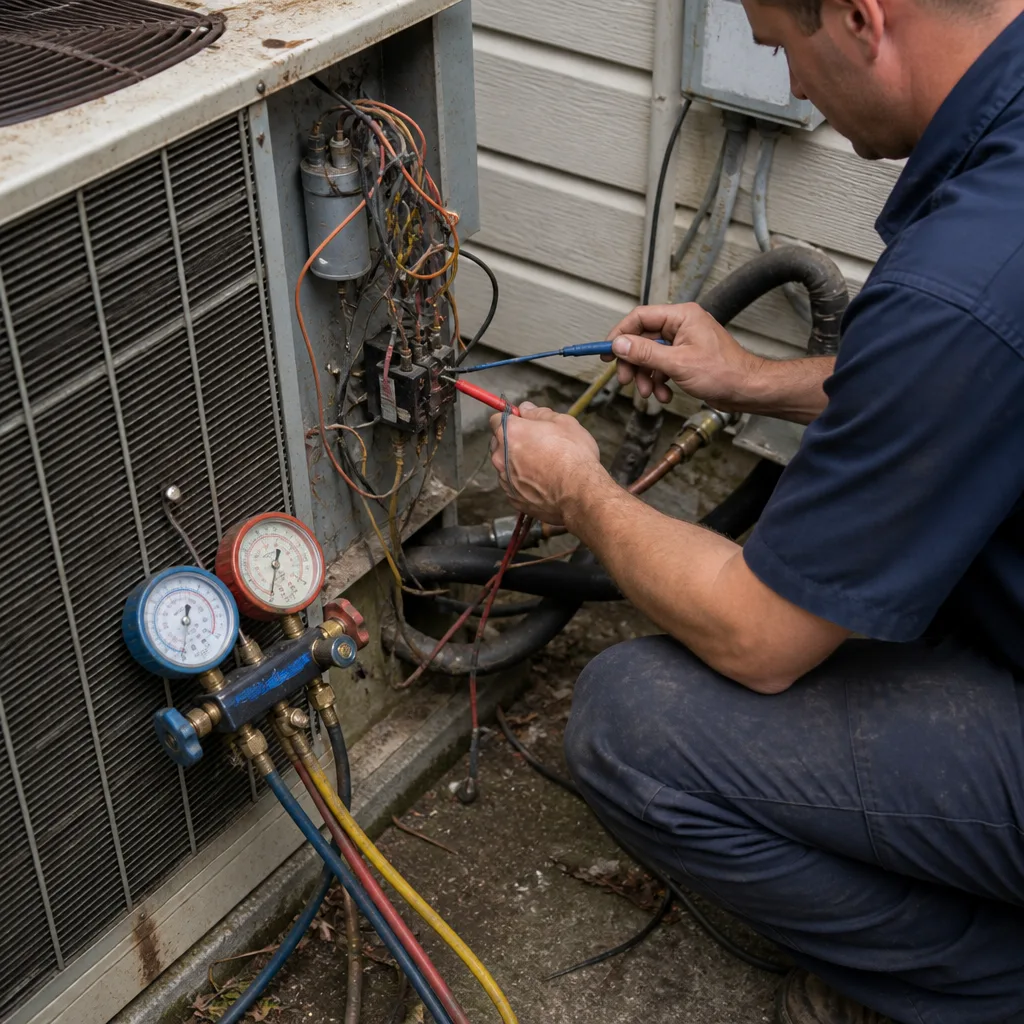 Before
 After
After Before
 After
After Before
 After
After