
Last updated October 16, 2026
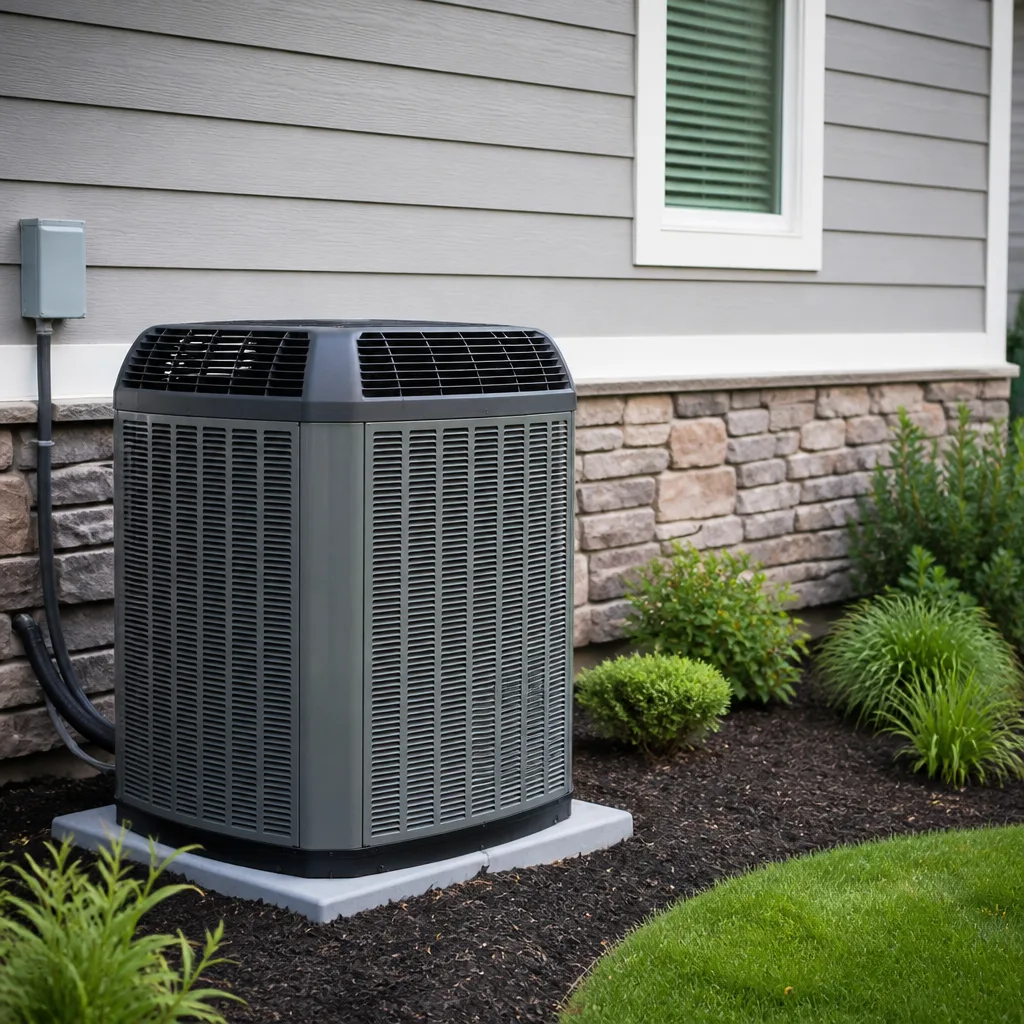 AC repair
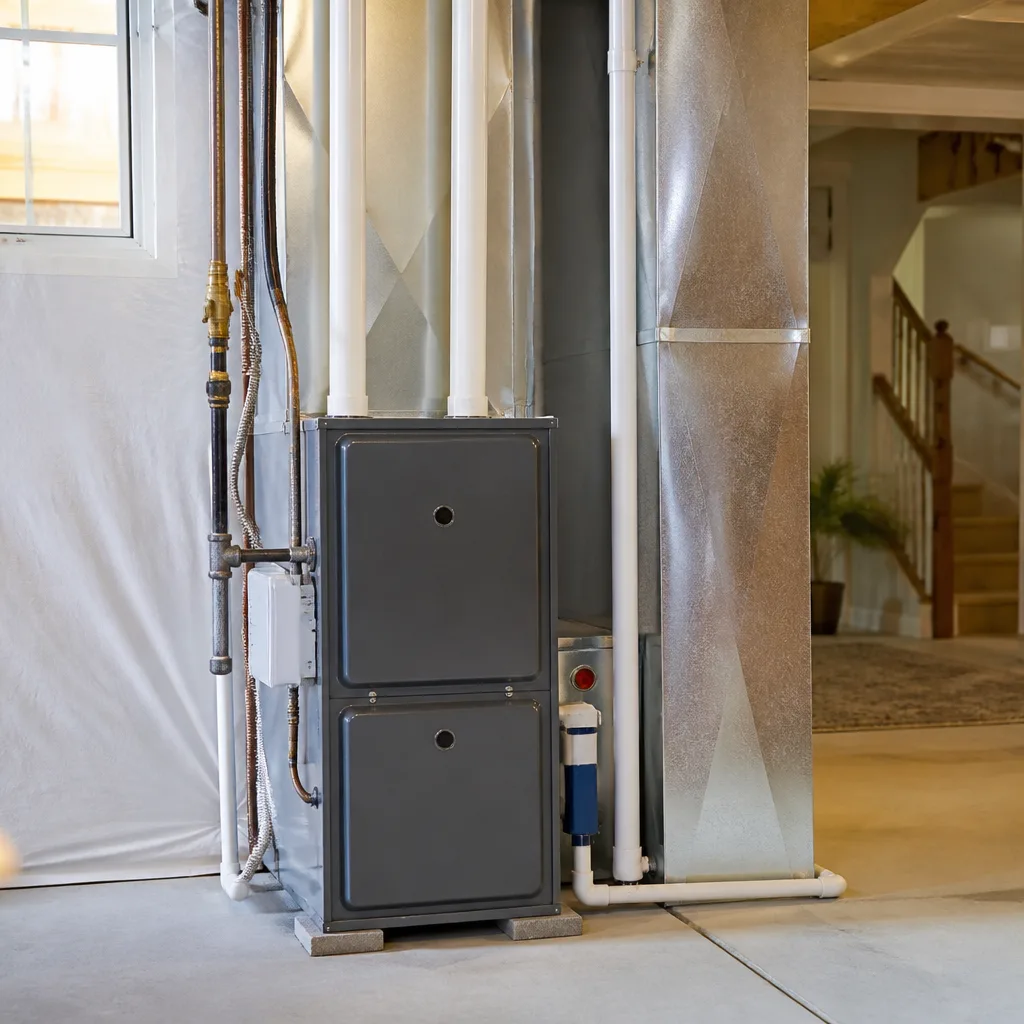 Furnace & heating
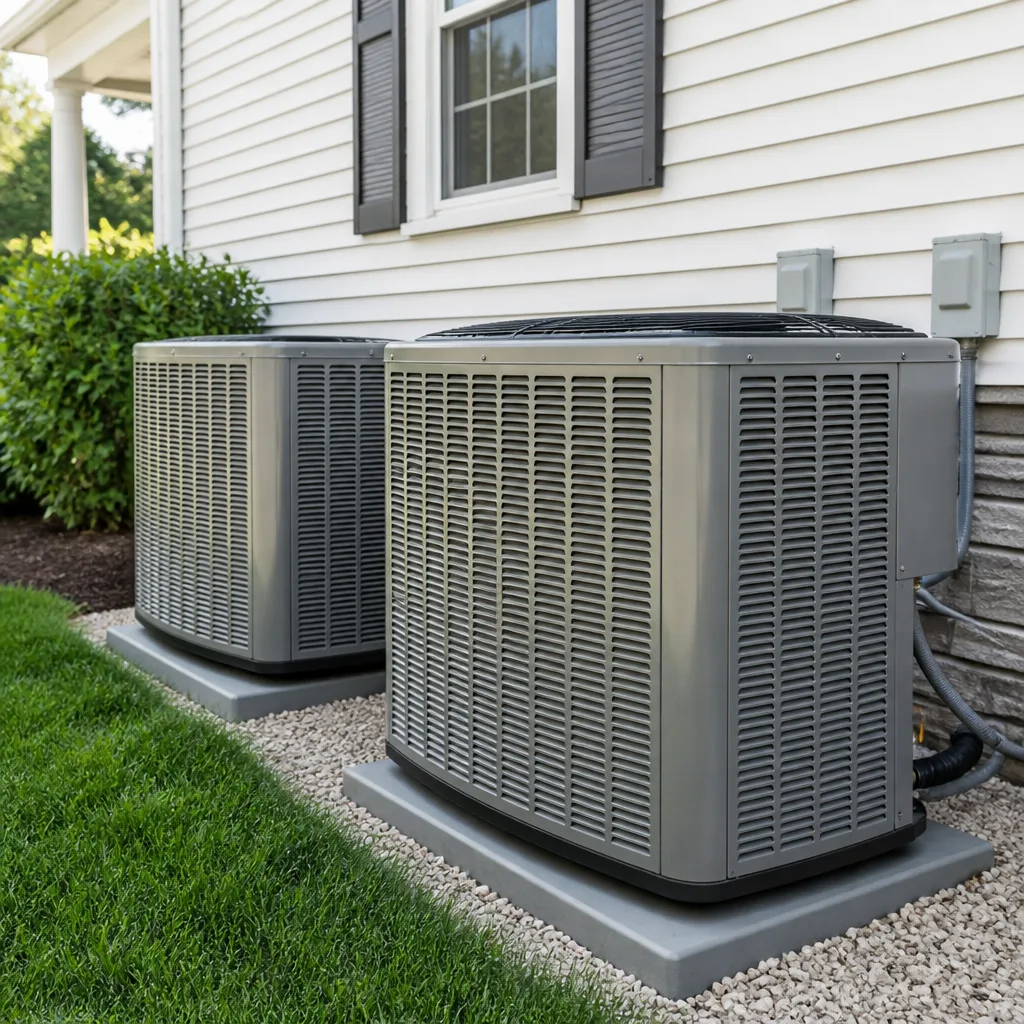 Heat pumps
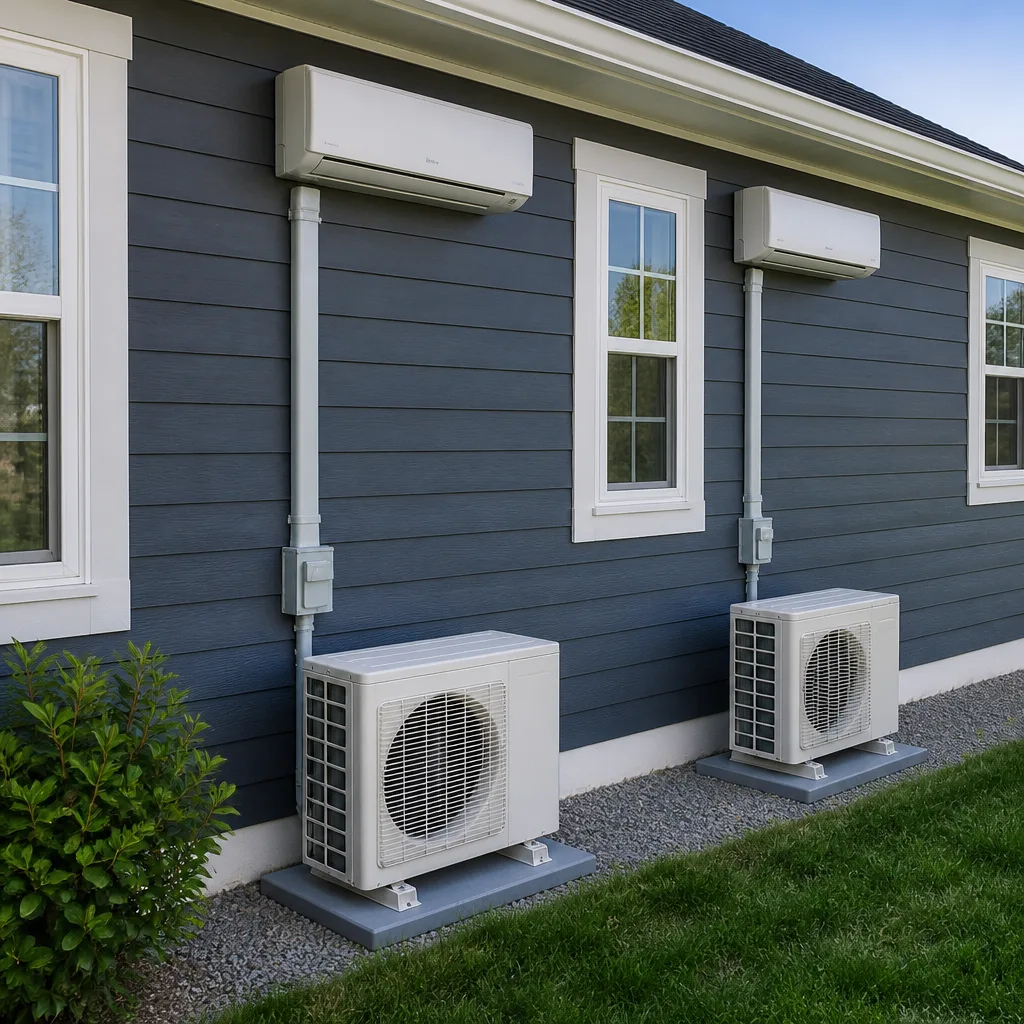 Ductless mini splits
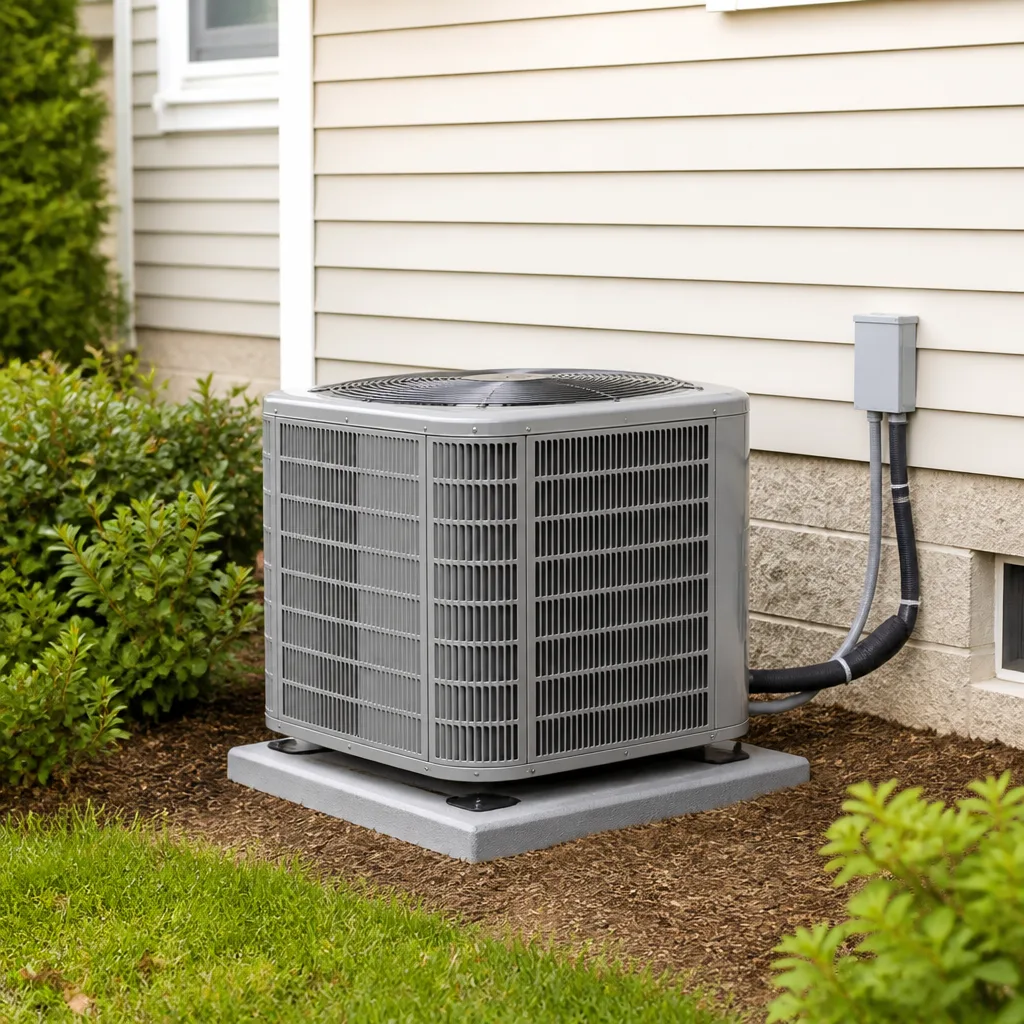 Carrier
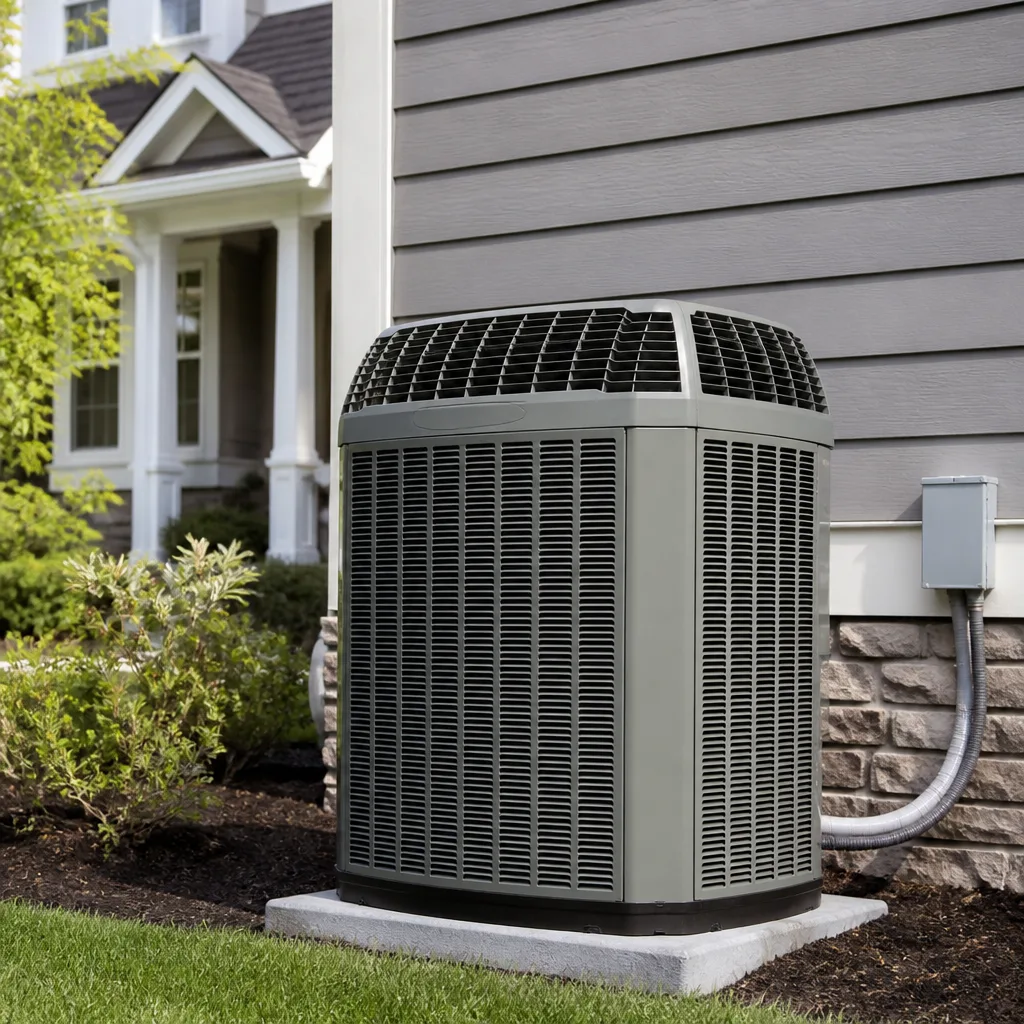 Trane
Trane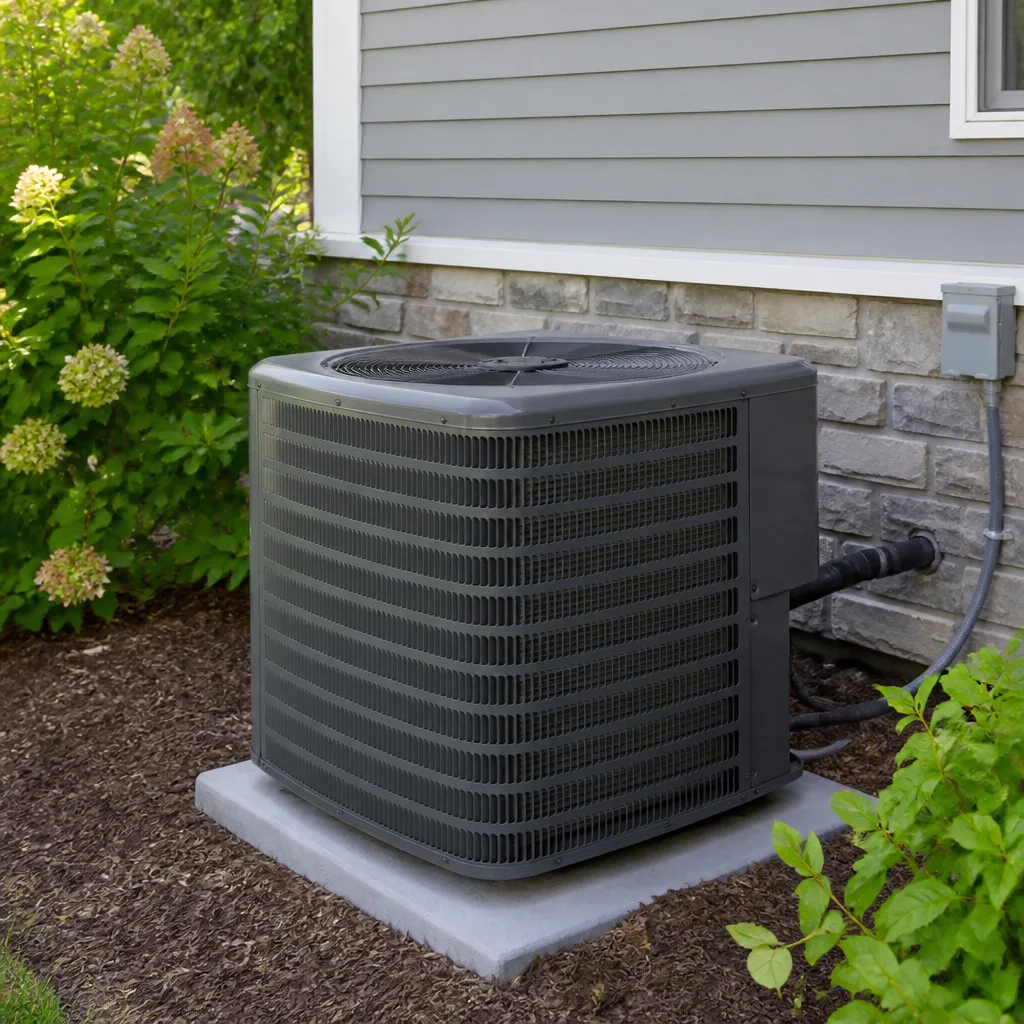 Goodman
Seasonal tune-up and full diagnostic on your Carrier, Trane, or Goodman system - readings shown to you before any repair is proposed
Diagnosis first, numbers second - you approve the repair price before a single part goes in.
Get your free estimateHVAC Permits, Codes & Inspections in TX: What You Need to Know
Here’s the part most HVAC contractors won’t tell you when they give you a quote: the permit is not the annoying extra step. It’s the only thing standing between you and a system that was installed wrong, hidden in a wall, and discovered years later at the worst possible moment. In Austin, we’ve walked into homes where the previous AC was replaced without a permit, and the homeowner only found out when a buyer’s inspector opened the attic and flagged it. Three weeks of delay. Retroactive permit fees. And a closing date that nearly fell apart. This guide explains when a permit is required, what the inspector actually looks at, and why skipping it almost always costs more than pulling it would have. For more guides & resources on protecting your home, see our blog.
Styles & brands we work with
Quick Answer
In Texas, HVAC permits are required for new system installations, full equipment replacements, and ductwork changes under most city codes, including Austin’s. The contractor is legally responsible for pulling the permit, not the homeowner. If you skip it and the work is discovered, you can face retroactive permit fees, insurance claim denials, and a stalled home sale.
Table of Contents
- When Is an HVAC Permit Required in Texas?
- The City of Austin Permit Rules: Which HVAC Jobs Trigger a Permit
- What a Mechanical Inspection Actually Checks: Line by Line
- How Unpermitted HVAC Work Affects Homeowner’s Insurance Claims
- Who Pulls the Permit? The Contractor’s Legal Obligation in Texas
- Austin Energy Code Amendments That Go Beyond State Minimum
- What Happens When You Get Caught: Retroactive Permits and Your Options
- Common Mistakes to Avoid
- When to Call a Professional
- Frequently Asked Questions
- The Bottom Line
When Is an HVAC Permit Required in Texas?
Texas does not have a single statewide permit rule for HVAC work. Each city adopts its own mechanical code, and the trigger for a permit depends on where you live. In Austin, the governing document is Chapter 25-12 of the City Code, which incorporates the International Mechanical Code with local amendments. Under that code, a permit is required any time you install, move, alter, or replace a heater, air conditioner, ventilation system, refrigerant piping, or ductwork. That covers most of what homeowners actually need.
The practical rule we tell Austin homeowners looks like this:
- Always requires a permit: replacing an entire AC or furnace, installing a new system in a newly built addition, moving equipment from one location to another, replacing ductwork, adding new supply or return vents, installing a gas line for a new furnace, changing the refrigerant type in an older system.
- Sometimes requires a permit: replacing the indoor coil only, replacing the outdoor condenser only, upgrading the electrical disconnect at the unit, adding new refrigerant lines when the old ones are damaged beyond repair. Whether these trigger a permit depends on whether the job modifies the original installation. If the new component has a different capacity, voltage, airflow rating, or refrigerant type than the original, you’re now in permit territory.
- Never requires a permit: cleaning the condenser coil, replacing a capacitor, changing a contactor, replacing an igniter, clearing a clogged condensate drain, replacing a thermostat with a same-voltage model, changing the air filter. These are repairs to existing components, not alterations to the system’s installation.
The fastest way to know is to ask the question this way: “Does this work change the installed system from what the original permit shows?” If the answer is yes, you probably need a new permit. If the contractor says no permit is needed and you can’t verify why, call the City of Austin Development Services Department and ask. That call takes five minutes and can save you thousands later.
The City of Austin Permit Rules: Which HVAC Jobs Trigger a Permit
Austin operates under its own building and mechanical codes, administered by the City of Austin Development Services Department. The department enforces permit rules for all mechanical work within Austin city limits, including HVAC installation and repair. Homeowners in surrounding areas like Round Rock, Pflugerville, Cedar Park, and Georgetown are under their own municipal codes, which are similar but not identical. If you’re outside Austin city limits, check with your specific city or county.
Inside Austin, these are the jobs that always require a mechanical permit:
- Whole-system replacement. Replacing both the indoor and outdoor unit, or replacing the entire furnace or air handler, always requires a permit. The inspector will verify size, clearance, electrical disconnect, condensate drainage, and refrigerant line connections.
- New installation in a new or remodeled space. Any AC or furnace installed where one did not previously exist requires a permit, which includes additions, garage conversions, and enclosed porches.
- Ductwork changes. Adding, removing, relocating, or replacing more than a small section of duct triggers a permit. Duct size, insulation, and sealing are all inspected.
- Gas line work. Installing or relocating a gas line for a new furnace or converting from electric to gas always requires a separate gas permit, not just a mechanical permit.
- Equipment relocation. Moving a condenser, furnace, or air handler from one location to another requires a permit because it changes clearances, electrical runs, and line sets.
Jobs that sometimes require a permit, depending on scope:
- Coil-only replacement. If the new coil has the same capacity and refrigerant type, Austin may treat this as a repair. If the capacity changes or the refrigerant type changes, it needs a permit.
- Condenser-only replacement. Same rule as the coil. Same capacity and refrigerant, likely no permit. Different capacity or refrigerant, permit required.
- Electrical disconnect replacement. Replacing the disconnect box itself is electrical work under the same permit if it’s part of a larger HVAC replacement. Standalone electrical work falls under a separate electrical permit.
Here’s the part we repeat to every Austin homeowner: if the contractor says “we don’t need a permit for this” and the job involves replacing a major component, get that in writing and then verify it with the City. The contractor is not the one who suffers if that call was wrong. You are.
What a Mechanical Inspection Actually Checks: Line by Line
When an Austin mechanical inspector arrives at your home after HVAC work is completed, they’re not just glancing at the unit. They’re checking a list of specific items, most of which are invisible to a homeowner. If you noticed HVAC Warning Signs: A Austin Homeowner’s Reference Guide before calling for service, here’s what the inspection actually covers, in plain English:
- Equipment clearance and access. The inspector verifies the condenser has the required space around it for airflow (typically 30 inches on the service side in Austin code, but it varies by manufacturer) and that the indoor unit has proper service access. A unit squeezed into a tight corner may fail inspection even if it runs fine.
- Electrical disconnect and wiring. They verify there’s a working disconnect within sight of the unit, the breaker is correctly sized, and the wiring matches the unit’s amperage rating. This is a fire-safety check, not a formality.
- Condensate drainage. The inspector checks that the drain line is properly sloped, has a cleanout, and terminates in an approved location. In Austin, this matters extra because our humid summers produce gallons of condensate every day. A poorly drained unit causes water damage inside walls and ceilings.
- Refrigerant line connections and pressure. The inspector verifies the line set is properly connected, insulated on the suction side, and that the system holds the correct charge. They cannot test the full charge, but they verify the connections were done correctly.
- Ductwork and airflow. If ductwork was part of the job, they check that ducts are properly supported, sealed, and insulated. They also verify return air is not pulling from a garage or crawlspace, which is a health violation.
- Gas connections and venting. If a furnace is involved, the inspector verifies the gas line is pressure-tested, the shutoff valve is in place, and the exhaust vent is properly sloped and cleared from windows and doors. Gas venting is not optional to get right. A bad vent sends carbon monoxide into the house.
- System performance baseline. The inspector may run the system briefly to verify it starts, cools or heats, and cycles properly. They’re not doing a full performance test, but they’ll catch a unit that’s dead on arrival.
Before the inspector shows up, use our AC Repair Maintenance Checklist for Austin Homeowners to confirm with your contractor in writing: the disconnect is installed, the drain line is connected and sloped, the gas line was pressure-tested (if applicable), and the system has been run and verified. If any of those are still “getting done,” reschedule the inspection. A failed inspection costs time and money, and the contractor causing the failure should absorb that, not the homeowner.
How Unpermitted HVAC Work Affects Homeowner’s Insurance Claims
Most Texas homeowner’s insurance policies contain an exclusion for damage caused by work that was done without a required permit. The language is usually buried in the exclusions section under something like “faulty, inadequate, or defective construction” or “work performed without required permits.” When an unpermitted HVAC installation fails and damages your home, your insurer can deny the claim.
Here’s how this plays out in Austin specifically. We’ve seen unpermitted AC replacements where the condensate line was never properly connected. The first big summer, the unit dumps condensation into the attic insulation, the drywall soaks through, and the homeowner discovers a mold bloom behind the sheetrock. They file a claim. The adjuster asks for the permit record. There is none. The claim gets denied under the unpermitted work exclusion, and now the homeowner is paying for the water damage, the mold remediation, the drywall repair, and the new AC work out of pocket.
What to look for in your policy:
- The specific wording “unpermitted work” or “work not in compliance with applicable building codes” in the exclusions section.
- Any requirement that repairs or replacements comply with “all laws and ordinances” at the time of the work.
- Endorsements for “code upgrade coverage” or “ordinance or law” coverage, which some policies include. This covers the increased cost to bring work up to code after a covered loss, but it does not cover damage caused by work that was done illegally in the first place.
The cheapest way to protect yourself is simple: confirm the permit exists before the work starts. Ask for the permit number. Verify it with the City of Austin online permit portal. That one check closes the biggest insurance loophole an HVAC contractor can leave open in your home.
Who Pulls the Permit? The Contractor’s Legal Obligation in Texas
Under Texas law, the licensed contractor performing the work is legally responsible for pulling the required permits. This is not a gray area. The Texas Department of Licensing and Regulation (TDLR) governs HVAC contractors through the Air Conditioning and Refrigeration Contractor license, and failing to pull required permits is a violation that can result in fines, license suspension, or revocation. The contractor’s license is on the line for unpermitted work. Not yours.
Any contractor who asks the homeowner to pull the permit is waving a red flag. Sometimes the request is framed as a favor: “It’ll be faster if you pull it.” Sometimes it’s framed as a cost issue: “You can pull it yourself and save on my markup.” Both are bad signs. When a contractor asks you to pull the permit, one of these things is usually true:
- The contractor is not properly licensed and cannot pull a permit in their own name.
- The contractor has a history of violations and is on a permit suspension.
- The contractor is avoiding the cost of the permit, which in Austin runs roughly $50 to $200 for typical residential mechanical work, depending on job valuation.
- The contractor plans to skip code-required details and wants a homeowner-permit situation where the homeowner, not the contractor, bears the liability.
Here’s the bottom line: when the homeowner pulls the permit, the homeowner becomes the responsible party. The City of Austin can hold you accountable if the work fails inspection, and your insurance company can point the finger at you if something goes wrong. A legitimate licensed contractor pulls their own permits, every time, no exception. If the contractor on your quote balks at that, get a different quote. Cold Harbour Heating and Air Austin pulls every required permit on every job in Austin that needs one, and the permit number is yours to verify before any work begins.
Austin Energy Code Amendments That Go Beyond State Minimum
Austin Energy enforces energy-efficiency requirements that exceed the state minimum, and out-of-town contractors who don’t work inside the city regularly get caught by two specific amendments. Here’s what they are and why they matter to a homeowner.
1. Duct Leakage Testing
Following Seasonal HVAC Care for Austin: Year-Round Homeowner’s Guide helps you stay ahead of issues, and Austin Energy requires a duct leakage test on most HVAC system replacements and installations inside the city. The test measures how much conditioned air escapes through the ductwork, and the required efficiency number is stricter than the state baseline. A contractor who doesn’t know this will install the system and then fail the inspection on the duct test. The fix usually means sealing ducts, sometimes replacing sections, and then retesting. That’s time and cost the homeowner should not have to bear.
2. ACCA Manual J Load Calculation
Austin’s energy code requires a Manual J load calculation for all new installations and most full replacements before equipment is sized and ordered. Manual J is the industry-standard method for determining the exact heating and cooling load of the house, room by room, based on square footage, insulation, windows, orientation, and a dozen other factors. A contractor who sizes equipment by “rule of thumb” (typically 1 ton per 500 square feet) is not doing a Manual J and will fail this requirement. An oversized or undersized system is an efficiency problem and an inspection problem. Contractors trained on major brands like Carrier, Trane, and American Standard are generally familiar with this requirement because those manufacturers expect it. It’s the contractor who installs whatever is on the truck that gets caught.
Both of these amendments are about long-term performance. A properly sized, properly sealed system uses less energy, cools more evenly, and lasts longer. The permit process enforces that. Skipping the permit means skipping the enforcement. If you want a fuller picture of what a properly installed system looks like, our guide on AC Installation in Austin walks you through the entire process from load calculation to final inspection.
What Happens When You Get Caught: Retroactive Permits and Your Options
The scenario that leads this guide is common enough that we’ll walk you through exactly how it unfolds in Austin. You bought a home where the HVAC was replaced without a permit. Years later, you’re selling. The buyer’s home inspector opens the attic, compares the equipment serial numbers to the property records, and flags the unpermitted installation. The title company won’t close until it’s resolved. Now what?
- You need a retroactive permit. The City of Austin issues what’s called a “retroactive permit” or “after-the-fact permit.” It carries the same fee as the original permit, sometimes with an additional penalty. You’ll need to provide documentation of what was installed: equipment model and serial numbers, installer information if available, and sometimes photos of the installation.
- The work gets inspected. A mechanical inspector comes out and inspects the installed system against current code. If the installation was done correctly, the inspector signs off and the retroactive permit is closed. If the installation has deficiencies, those get listed, and you’re on the hook to fix them before the permit will close.
- The fix can be expensive. Common deficiencies in unpermitted Austin HVAC work include improper clearance, missing electrical disconnect, uninsulated line sets, undersized ductwork, and condensate drains that terminate in the wrong place. Fixing these can run from a few hundred to several thousand dollars, depending on what’s wrong.
- The closing timeline stretches. The permitting process, the inspection, and the repairs all take time. Three weeks is a realistic delay. Some closings stretch to six weeks or fall apart entirely if the buyer walks.
If you’re buying a home in Austin and suspect the HVAC was unpermitted, check the City’s permit portal before you sign. Search the address, look at the mechanical permits on file, and compare them to the equipment’s serial numbers. A 2020 Trane system with no permit from 2020 is a red flag worth raising before closing, not after. For what a properly permitted system looks like from the homeowner’s side, start with our breakdown of AC Repair in Austin to understand what repairs do and don’t require permits.
Common Mistakes to Avoid
- Trusting the contractor’s word without verifying. “You don’t need a permit for this” is the most expensive sentence in residential HVAC. Call the City of Austin and check. Five minutes saves you thousands.
- Letting the homeowner pull the permit. When you pull the permit, you own the liability. The contractor’s license should stand behind the work, not your name on a form.
- Hiring an unlicensed contractor. Out-of-state techs and unlicensed “handymen” cannot pull a mechanical permit in Texas. If they can’t pull the permit, they shouldn’t touch your HVAC.
- Skipping permits on a “temporary” fix. Some homeowners convince themselves that because the system is older or the repair is “minor,” the permit doesn’t matter. The buyer’s inspector won’t care about your reasoning at closing.
- Not checking the permit record before buying a house. Austin’s permit portal is public and free to search. Not checking the mechanical permit history before buying is like not checking the carfax before buying a car.
- Confusing city and county rules. Austin city limits have their own rules. Williamson County, Hays County, and Travis County outside Austin have different requirements. Work in Round Rock under their code, not Austin’s.
- Ignoring the Austin Energy amendments. The duct leakage test and Manual J calculation are enforced. Out-of-town contractors who skip them produce systems that fail inspection and waste energy for years.
When to Call a Professional
Any time your HVAC work requires a permit, a licensed professional should do the job. This means new installations, full replacements, ductwork changes, gas line work, and equipment relocation. Trying to pull a homeowner permit and then installing your own AC is a recipe for a failed inspection, an unsafe system, and a voided manufacturer warranty. Even for repair work that doesn’t require a permit, there are good reasons to avoid DIY: refrigerant handling requires EPA certification, electrical work inside the unit carries shock risk, and gas furnace repair carries carbon monoxide risk if venting isn’t done correctly. If you’re not sure whether the work ahead of you needs a permit, call the City first, then call a licensed contractor. Cold Harbour Heating and Air Austin offers free estimates in Austin, and we have been serving the city since 2003. Call (361) 204-1605, or read more about our Cold Harbour Heating and Air Austin home services to see what qualifies for the quotes we give.
Frequently Asked Questions
Yes, replacing a complete AC system in Austin requires a mechanical permit, and your contractor should pull it, not you. The permit verifies that the new equipment is properly sized, safely connected, and installed to code. Call (361) 204-1605 to get a free estimate that includes a permit, or contact the City of Austin Development Services Department if you want to verify permit requirements yourself.
Unpermitted HVAC work in Texas can come back to haunt you at home sale, during an insurance claim, or when the system fails. You may need a retroactive permit, pay penalty fees, open up walls or attics for inspection, and delay your closing. The contractor who skipped the permit is the one who should have pulled it, and their license is what’s at risk.
Contractors skip permits to save time and money, plain and simple. The permit adds a trip to the city, an inspection wait, and a fee that some contractors don’t want to pass on. A contractor who skips the permit is not saving you money; they’re moving liability onto you and betting the work won’t be discovered.
Yes, Austin Energy enforces a duct leakage test and a Manual J load calculation on most HVAC installations and replacements inside the city. These are energy-code amendments that exceed the state minimum, and they catch out-of-town contractors regularly. A properly sized, properly sealed system costs less to run and lasts longer.
Mechanical permits in Austin typically run between $50 and $200 for standard residential HVAC work, depending on the job’s valuation. The cost is small compared to the risk of skipping it, and most reputable contractors include the permit fee in the quoted price. Call (361) 204-1605 for a free estimate that includes all permit costs.
Furnace and AC installation in Austin requires a licensed contractor. Even if you have the tools and the confidence, refrigerant handling requires EPA certification, gas furnace work carries carbon monoxide risk if venting is wrong, and electrical work inside the unit can be dangerous. For a repair on a furnace, our Furnace Repair in Austin page covers what’s safe to check yourself and what should be handled by a pro.
The Bottom Line
The HVAC permit is the least expensive insurance policy you will ever buy for your home. In Austin, it verifies that your system is sized correctly, installed safely, and compliant with energy codes that will save you money every month. Skipping it feels harmless at the time, but the cost shows up later: at the closing table, in the insurance adjuster’s report, or in your own attic when the unpermitted work turns out to be as bad as the inspector said it might. Hire a contractor who pulls permits. Verify the permit before the work starts. Keep the record for as long as you own the home. When the work is done right beneath a permit that was issued correctly, that’s the quiet confidence every homeowner should have.
Written by Victor Mancini, Owner at Cold Harbour Heating and Air Austin, serving Austin since 2003.
See the difference
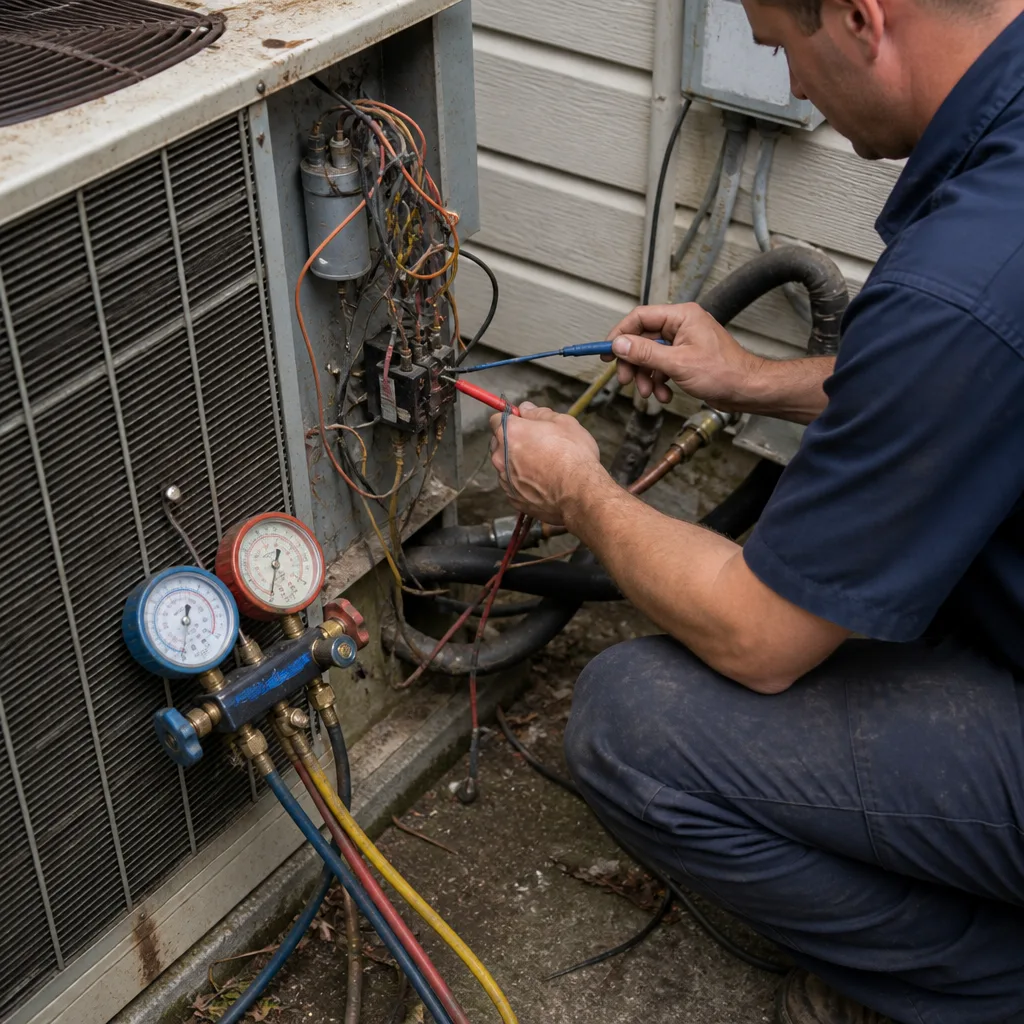 Before
 After
After Before
 After
After Before
 After
After