
Last updated October 16, 2026
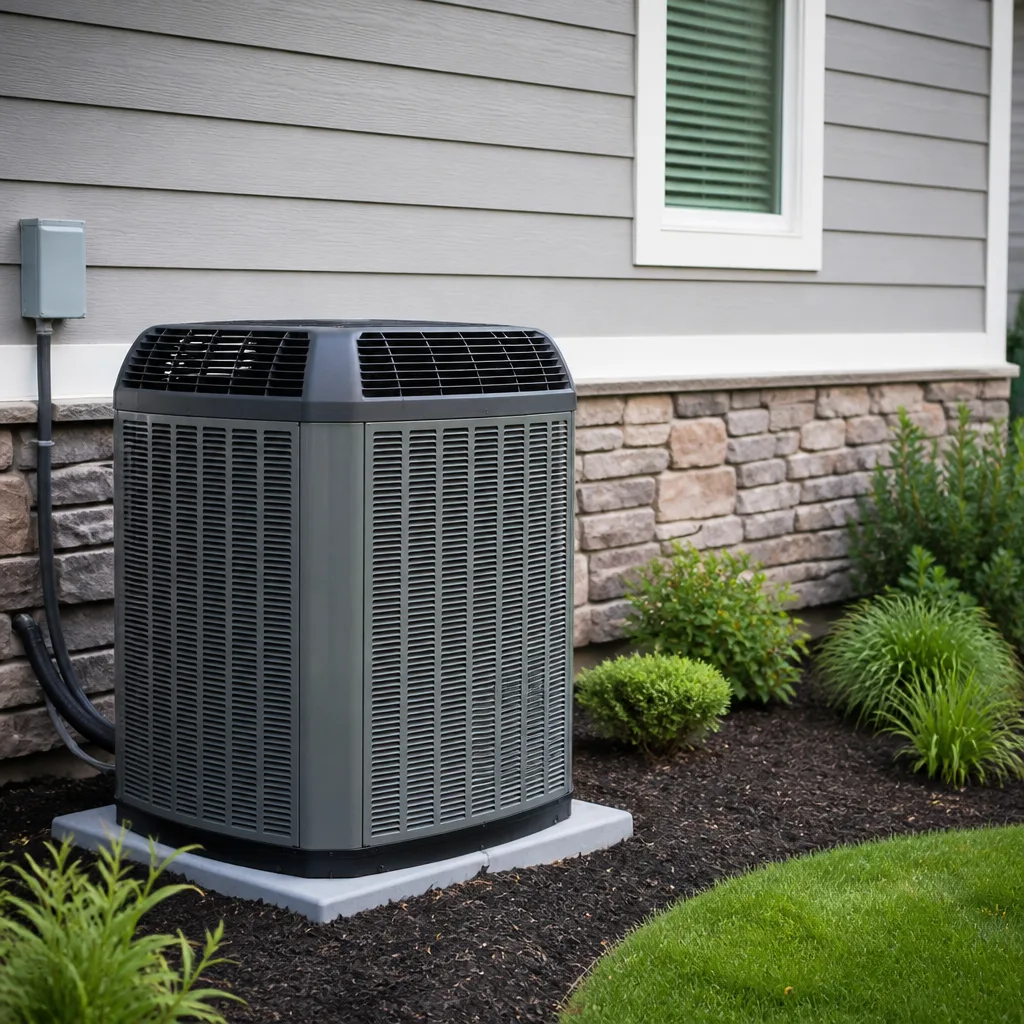 AC repair
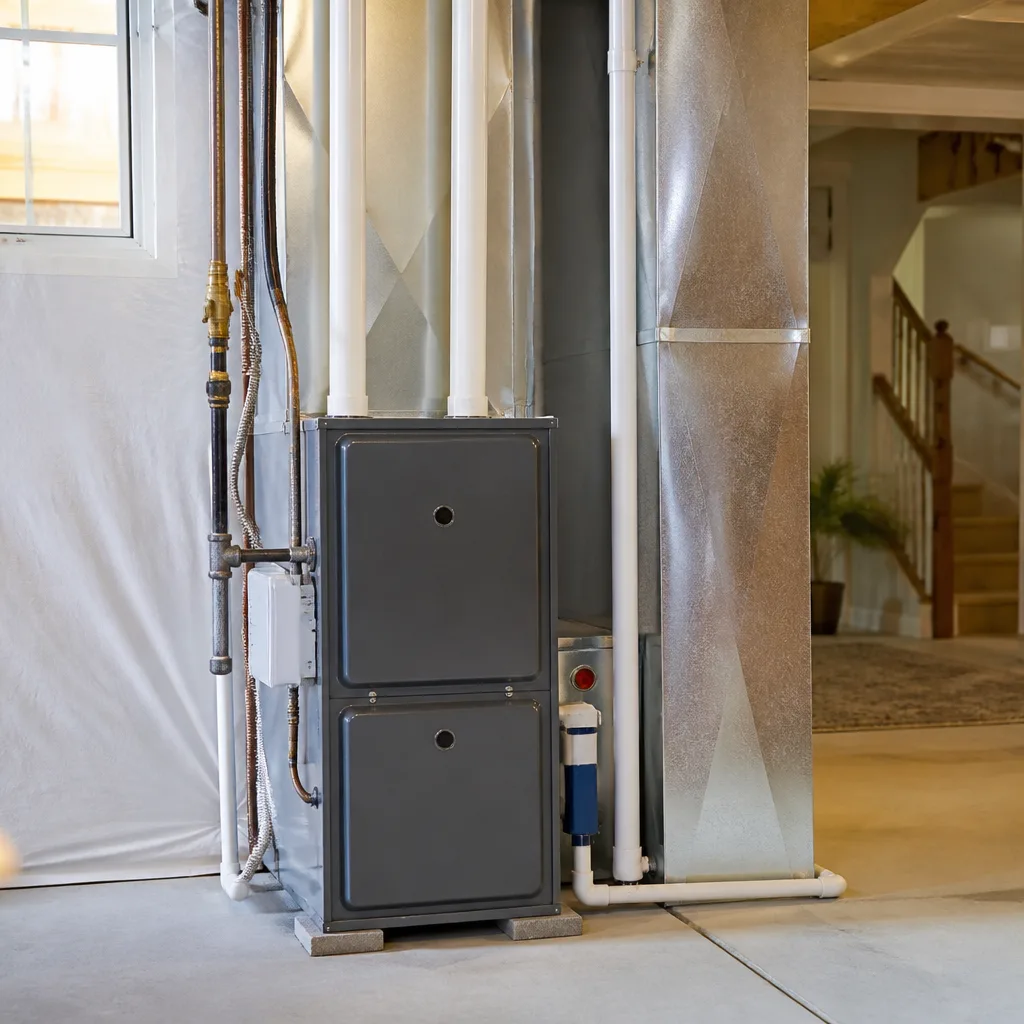 Furnace & heating
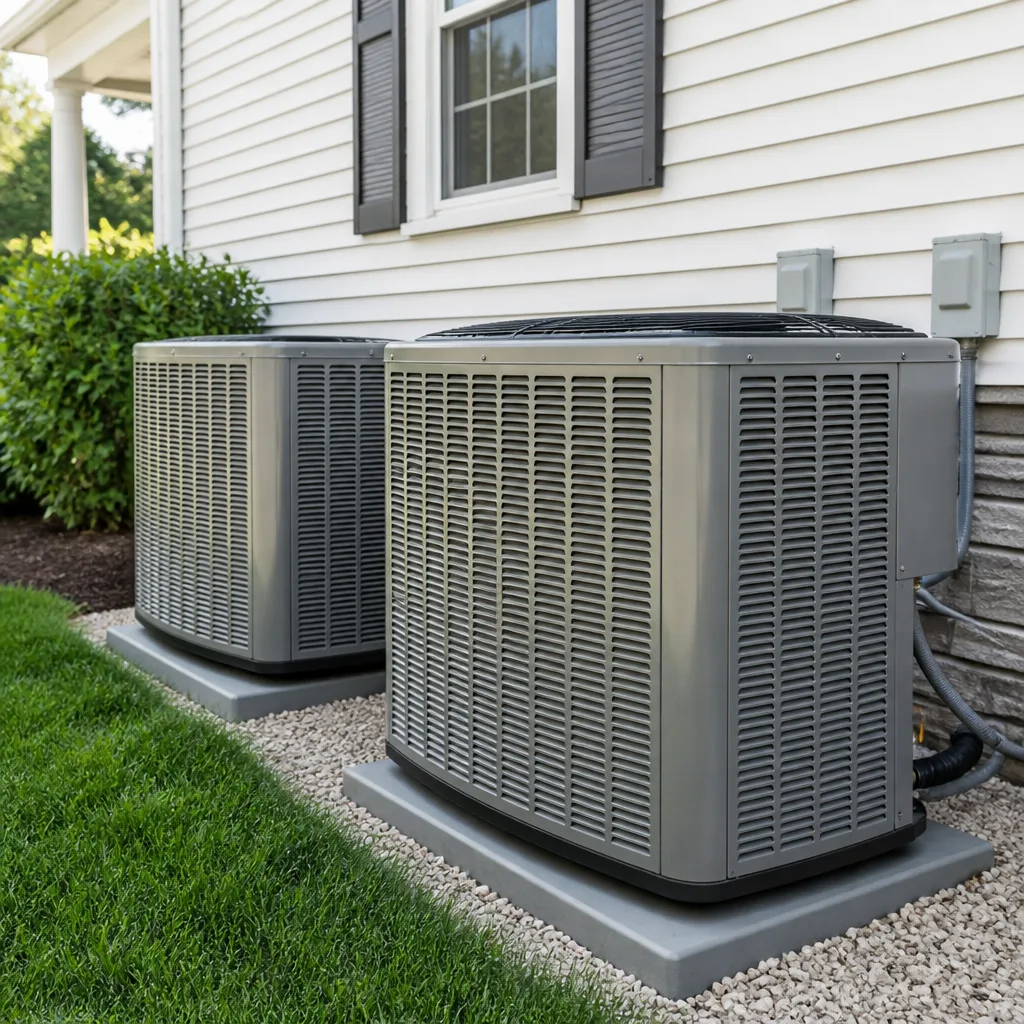 Heat pumps
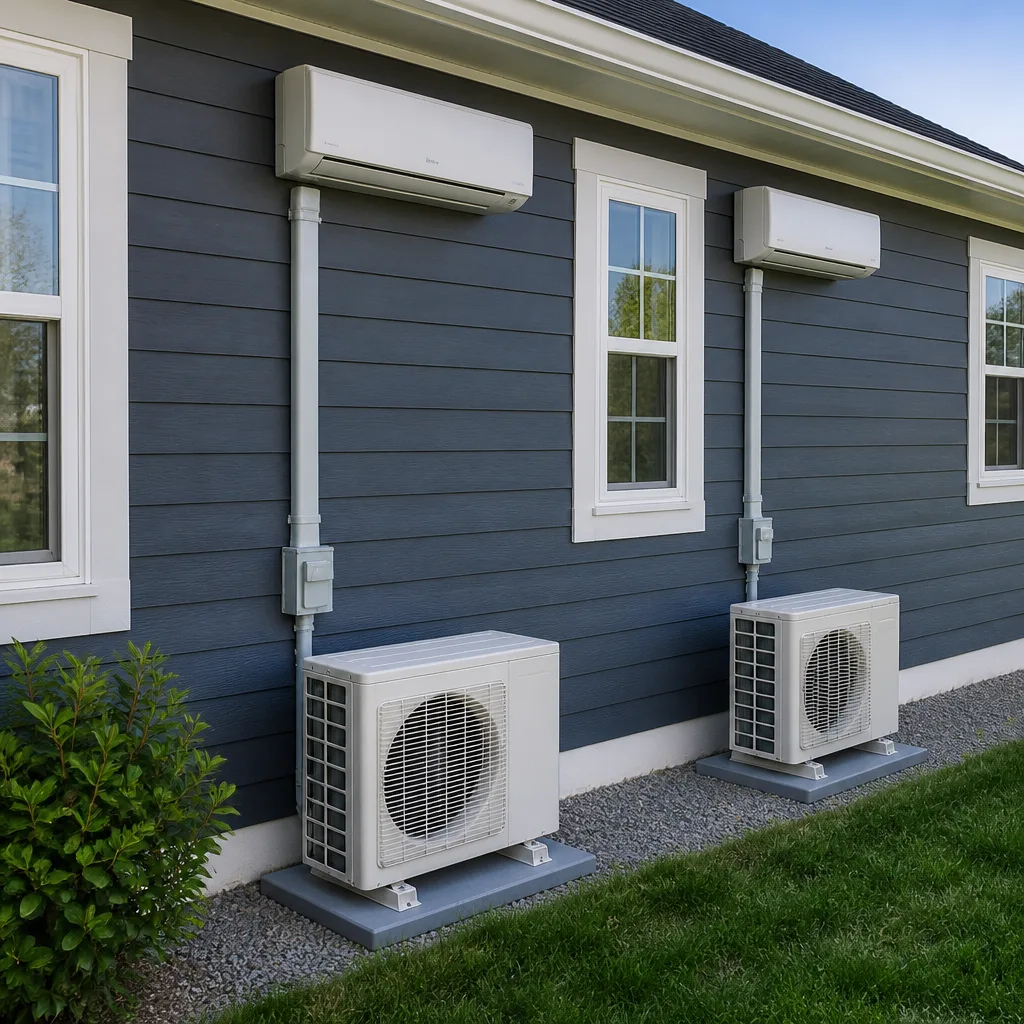 Ductless mini splits
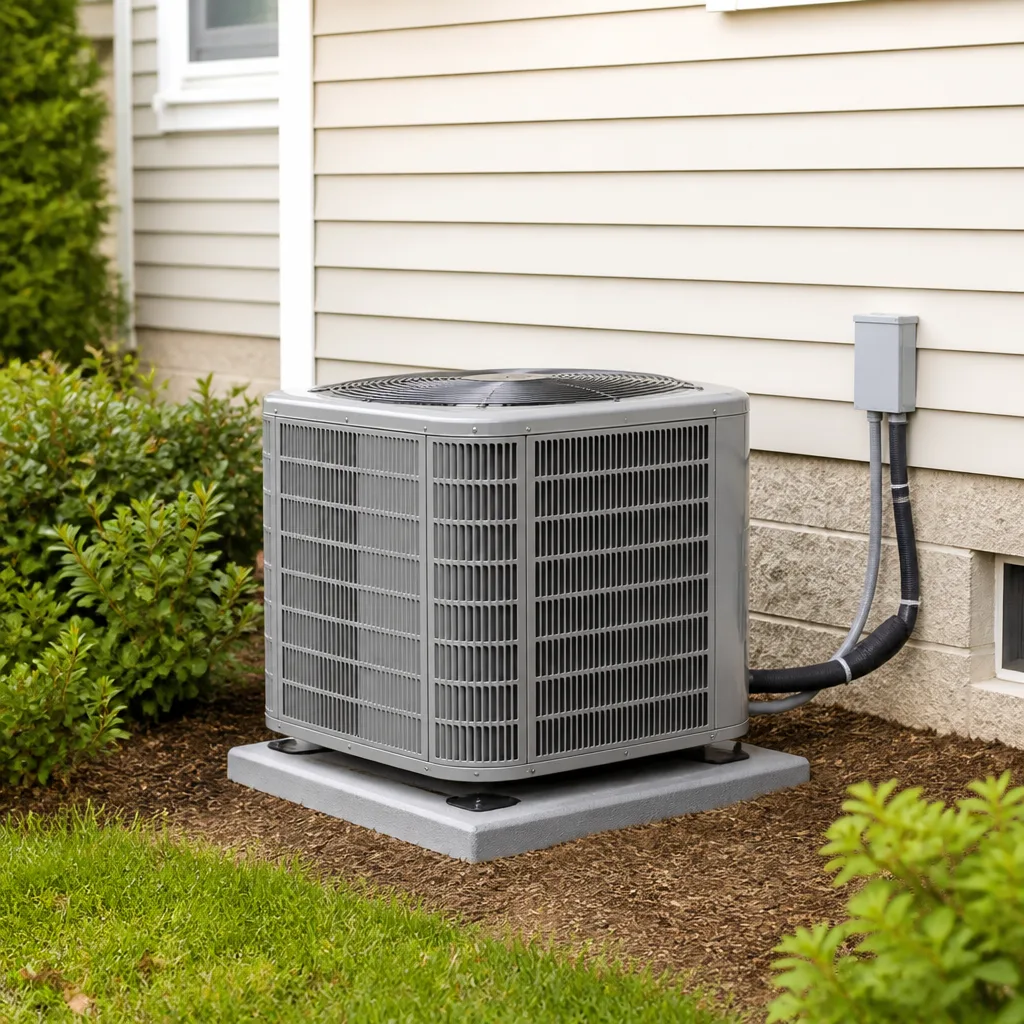 Carrier
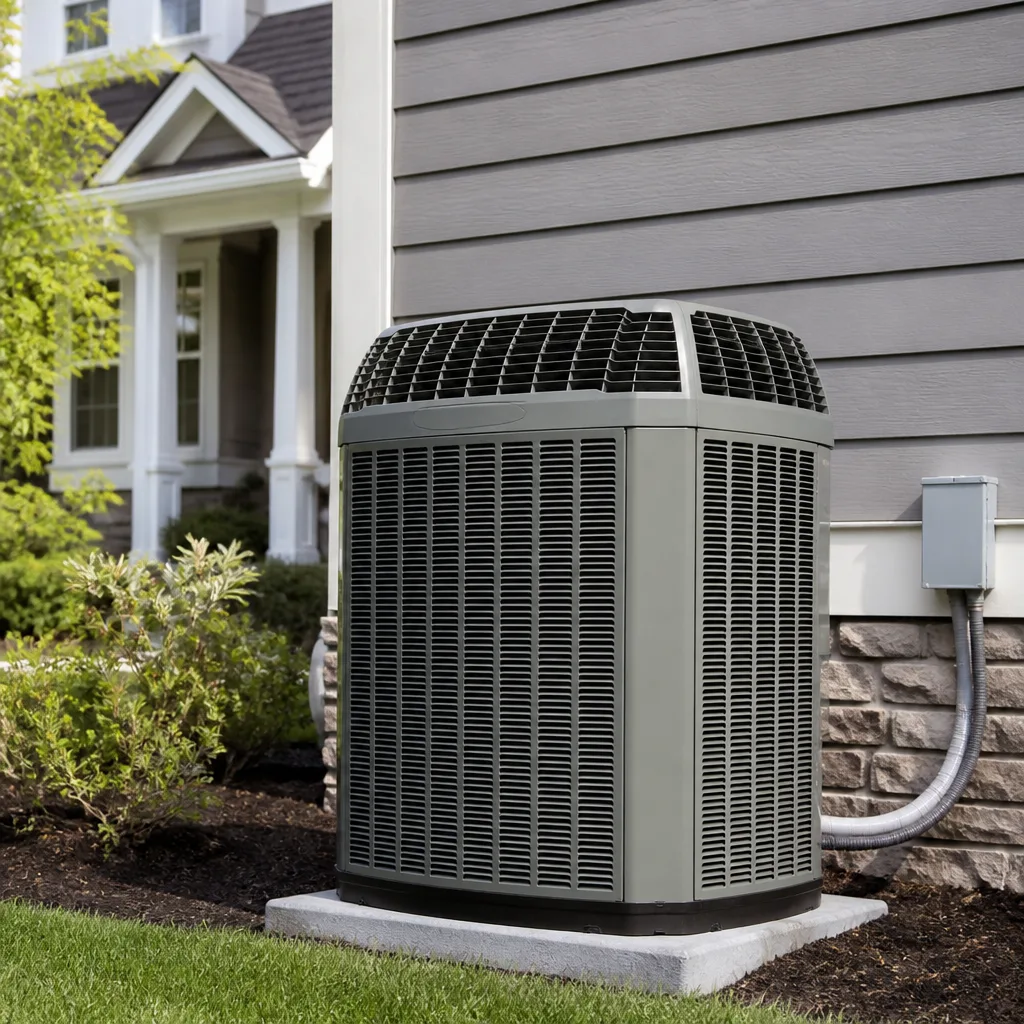 Trane
Trane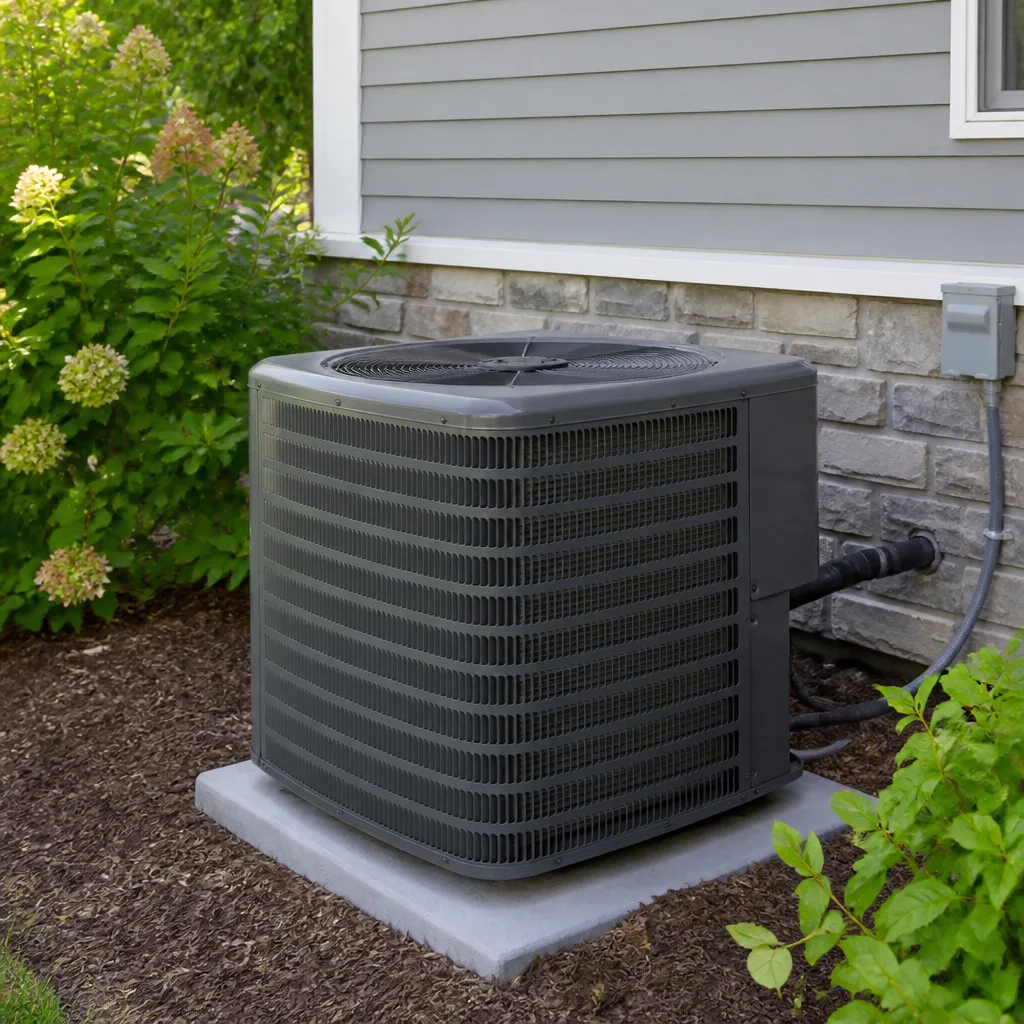 Goodman
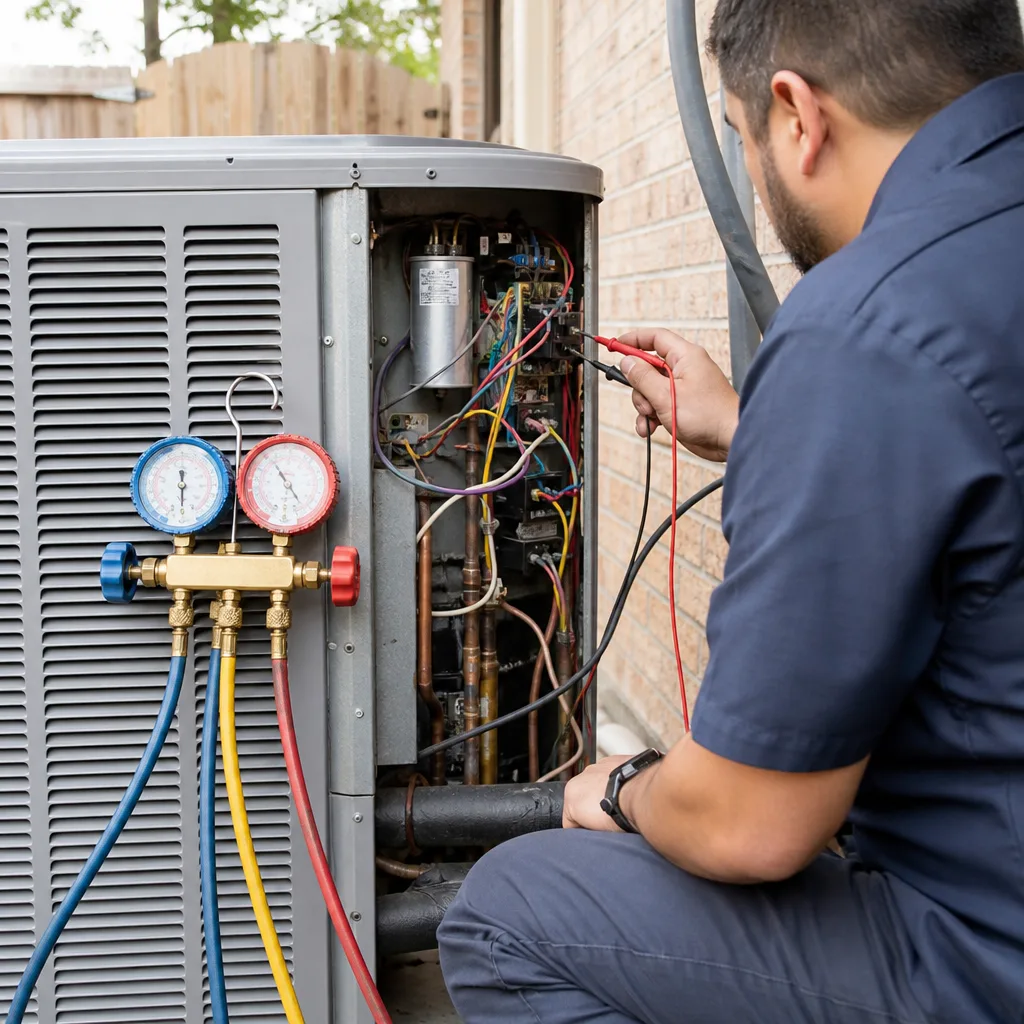
Seasonal tune-up and full diagnostic on your Carrier, Trane, or Goodman system - readings shown to you before any repair is proposed
Diagnosis first, numbers second - you approve the repair price before a single part goes in.
Get your free estimateHow to Hire a HVAC Contractor in Austin: A Step-by-Step Guide
Texas law requires HVAC contractors to hold a state license, but Austin homeowners can verify that license number on the TDLR website in about 45 seconds, and fewer than one in ten bother to. That’s exactly what unlicensed operators count on. This guide walks you through the four written questions that almost always lead to better work at a lower total cost, plus how to spot the Austin-specific red flags that spike between April and September when demand peaks and cut-corner crews multiply. You’ll learn what a real estimate looks like, what a written guarantee actually covers, and how to ask for a firm arrival window without getting brushed off.
Styles & brands we work with
Quick Answer
To hire an HVAC contractor in Austin, verify the company’s Texas Department of Licensing and Regulation (TDLR) license number at the TDLR website, ask for a written estimate that includes four specific line items before any deposit changes hands, confirm the contractor will provide a written guarantee on repairs rather than a verbal promise, and agree on a firm arrival window with a specific time range. A legitimate Austin HVAC company will put all four in writing without hesitation.
Table of Contents
- Step 1: Verify the TDLR License (and Understand What “Active” Actually Means)
- Step 2: What a Written Estimate Must Include in Austin
- Step 3: How to Ask for a Firm Arrival Window (and Why It’s Reasonable)
- Step 4: How to Evaluate a Repair Guarantee in Texas
- Austin-Specific Red Flags During Busy Season
- Questions to Ask During the Estimate Visit
- Understanding Deposits and Payment Terms
- Common Mistakes to Avoid
- When to Call a Professional
- Frequently Asked Questions
- The Bottom Line
Step 1: Verify the TDLR License (and Understand What “Active” Actually Means)
Every HVAC contractor performing work in Austin must hold a license issued by the Texas Department of Licensing and Regulation. The license exists for one reason: to confirm the person touching your equipment has passed a competency exam and carries the required insurance. When a contractor’s license lapses or shows a status other than “Active,” your leverage disappears entirely. If that contractor damages your system or walks off a job, you have no state board to file a complaint with, and most manufacturer warranties will not honor a repair or install performed by an unlicensed operator.
Here’s the 45-second verification process:
- Go to the TDLR website and select “License Search” from the main menu.
- Choose “Air Conditioning and Refrigeration Contractors” as the license type.
- Enter the contractor’s name or license number. The company name on file must match the name on their invoice and truck.
- Look for “Status: Active.” This is the only status that permits legal work in Austin. Expired, inactive, revoked, or suspended all mean stop.
- Check the “Insurance” field. TDLR requires proof of general liability insurance as a condition of licensing. If the field shows lapsed insurance, treat it as a red flag.
An active TDLR license also confirms the contractor has completed at least four years of practical experience under a licensed supervisor. The exam covers refrigeration theory, electrical code, and air distribution. It’s not a guarantee of good work, but it establishes a floor. In our experience across AC repair jobs in Austin, homeowners who verify licenses before calling tend to avoid the worst actors entirely, because unlicensed operators rarely survive a 45-second check.
Step 2: What a Written Estimate Must Include in Austin
A verbal price is not a price. Say that out loud. In Texas, a contractor can quote $400 over the phone and arrive at your door with a $900 invoice, and unless you recorded the call, you have nothing. A written estimate, handed to you before a single tool comes out, is the only document that protects you from door-price inflation. At Cold Harbour Heating and Air Austin, the written price has been handed to the homeowner before work begins on every job since 2003. It’s a core part of how we operate, not a policy applied case by case.
Here are the four things that should appear on any written estimate before you hand over a deposit:
- The full scope of work in plain English. If the line item says “condenser coil replacement,” the estimate should also say what brand, what tonnage, and what the part number is. Vague scope equals price creep.
- A line-item breakdown of parts and labor. You should see the exact cost of the part, the exact labor hours, and the hourly rate. If labor is lumped into one number, ask for it to be split. Austin homeowners who see split pricing generally pay 15 to 20 percent less than those who accept a single bundled number.
- The total, not an estimate range. “Between $500 and $900” is a guessing game. You want one number with a statement that the price will not change without written approval from you.
- The date, the contractor’s name, and the TDLR license number printed on the document. If the license number is missing, the estimate carries no regulatory weight.
Ask for the estimate in writing before you approve any work. If the contractor hesitates, that’s your answer. Legitimate Austin HVAC companies write estimates without being asked. We do it on every call, because a written price protects the contractor as much as the homeowner.
Step 3: How to Ask for a Firm Arrival Window (and Why It’s Reasonable)
Austin traffic on I-35 during a July afternoon can turn a 15-minute drive into a 50-minute crawl. That’s the reality every local contractor works within. But a firm arrival window, something like “between 2:00 and 3:30,” is still a reasonable thing to demand. A four-hour block is not a window. It’s an admission that the company doesn’t schedule, it just dispatches.
Here’s how to phrase the ask without sounding combative: “Can you give me a two-hour window and a call or text when the technician is 30 minutes out?” That’s it. A professional scheduler can handle that. If the response is “our technicians arrive between 8 and 5,” you are dealing with a company that values its time more than yours.
Why does this matter in Austin specifically? Because the city’s sprawl makes no-shows and late arrivals disproportionately expensive for homeowners. Google Maps will tell you that a drive from Round Rock to South Congress takes 28 minutes at 2 p.m. It takes 55 at 5 p.m. A contractor who doesn’t account for Austin traffic in its scheduling has already failed at the most basic part of the job: showing up. Furnace repair calls in Austin during January cold snaps have the same dynamic in reverse. If the company can’t hold a window in normal weather, it won’t hold one when 40 families ahead of you all lost heat the same morning.
One more thing: a live person should answer when you call to confirm. If you get a voicemail tree during business hours, that’s a scheduling operation, not a service company.
Step 4: How to Evaluate a Repair Guarantee in Texas
Most Austin HVAC companies offer a “1-year parts and labor warranty” on repairs. What that phrase legally means in Texas is narrower than what most homeowners assume. A parts and labor warranty typically covers the replacement part if it fails due to a manufacturing defect, and the labor to swap it out. It does not cover a technician who misdiagnosed the problem, installed the part incorrectly, or left a secondary issue that caused the new part to fail. Put simply: a 1-year parts and labor warranty covers defects in the part. It does not cover defects in the work.
A written guarantee that the repair itself was performed correctly is a different animal. Cold Harbour Heating and Air Austin issues a written 365-Day Done Right Promise on every repair. If the repair fails within that full year, we come back and correct the work at no charge. Not a pro-rated credit. Not a discounted second visit. Free. And it’s handed to you on paper before the technician leaves, along with the price that was quoted before the work started. This is part of The Kingswell Way, the set of standards that every independently owned Kingswell business operates under, and it’s non-negotiable on every job we do in Austin.
When a contractor in Austin tells you they offer a “one-year warranty,” ask this follow-up: “Is that a parts and labor warranty, or a written guarantee that you’ll return and correct the repair for free if it fails?” The distinction is the single most important negotiation point in the entire hiring process. Most homeowners never ask, which is why most homeowners never get the stronger guarantee.
Austin-Specific Red Flags During Busy Season
April through September is Austin’s HVAC busy season, and the city’s demand spike creates a predictable pattern of cut-corner behavior. Here are the red flags we see most often in our market:
- Permit-skipping on installations. The City of Austin requires a mechanical permit for most HVAC equipment replacements and new installations. A contractor who skips the permit saves $50 to $200 and a half-day of inspection scheduling. What you lose: the city will never confirm the install meets code, and most manufacturer warranties on new equipment are voided if the install was never permitted. Always ask “Will you pull a permit for this install?” If the answer is no or a shrug, walk.
- Cash-only discounts on big jobs. A 10 percent discount to skip the credit card fee is normal. A demand for full cash payment before work starts, especially on installs, is not. In Austin, the most common scam during summer peak is collecting a cash deposit on an install and vanishing. Never pay more than 30 percent upfront, and never pay any upfront amount in cash.
- The “we’re already in the neighborhood” pitch. Legitimate Austin companies are booked solid from June through August. If someone knocks on your door offering a same-day inspection because they happened to be driving through Pflugerville or Mueller, that’s a door-to-door sales crew, not a service company.
- Pressure to replace instead of repair. During peak demand, some Austin contractors will tell you a repairable compressor is shot because replacements generate five times the revenue. Get a second opinion if the recommendation is a full system replacement and your unit is under 12 years old. A second estimate costs $0 to $75 in Austin and routinely saves thousands.
- No physical address on the invoice. A P.O. box or no address at all on any written document is a red flag. Austin code enforcement and TDLR both require a verifiable physical address. If the contractor can’t show you one, you cannot serve them papers if something goes wrong.
Questions to Ask During the Estimate Visit
The estimate visit is your one chance to evaluate the contractor in person before money changes hands. Here’s a numbered list of the questions that surface the most useful information:
- “How long have you been operating in Austin?” A company that’s survived 15 or 20 Austin summers has enough repeat customers to stay afloat during slow winters. That’s how you know the work holds up. Cold Harbour Heating and Air Austin was founded in 2003, which means we’ve made it through 22 Austin summers, and our technicians are trained to service nine major residential brands including Carrier, Trane, Lennox, Goodman, Rheem, York, Daikin, Bryant, and American Standard.
- “What brands do you work on?” A contractor who only services the brand they sell is a salesperson. A contractor who services whatever is already in your home, including Trane and Lennox systems that are 15 years old, is a technician. Here in Austin, where homes built during the 2005-2015 boom are now hitting their first full system replacements, versatility matters.
- “Will the technician who does the estimate be the one doing the work?” In small Austin companies, yes. In larger ones, maybe. Either way, ask. A company that sends a salesperson to do an estimate and then dispatches a stranger to do the work has introduced a gap between what was promised and what gets delivered.
- “Do your technicians undergo background checks?” Austin homeowners should know exactly who is walking through their door. At Cold Harbour Heating and Air Austin, every technician is background-checked and uniformed. We answer the question directly because it should be a direct answer.
- “Can I see your TDLR license number and proof of insurance?” Any hesitation is disqualifying. Remember the 45-second check from Step 1. You should have already done it, but watching the contractor’s face when you ask tells you something too.
Understanding Deposits and Payment Terms
For repair work in Austin, a deposit is unusual. Most reputable companies don’t ask for money down on a repair that will be completed same-day. For installation work, deposits of 20 to 30 percent are standard and reasonable. The deposit secures the equipment order and the install date. Anything above 30 percent is a risk you don’t need to take.
Payment should never be requested in full before the work is finished. Some Austin companies will offer a discount for payment at the time of service rather than financing. That’s fine. What’s not fine is a demand for full payment before the install crew arrives. Think about it this way: if the equipment is damaged in shipping or the crew discovers a code issue during the install, you want the leverage of the unpaid balance. Once you’ve paid in full, you have exactly zero.
For larger installs, ask about financing terms if you need them. Many manufacturers including Trane and Lennox offer promotional financing through their dealer networks. But understand that “0% for 12 months” usually comes with a higher base price. Get the cash price and the financed price in writing and compare them. The difference is the true cost of the financing.
Common Mistakes to Avoid
- Hiring based on a Google rating alone. A 4.8-star rating in Austin doesn’t tell you whether the company has active insurance or a valid TDLR license. Reviews and licensing are two different filters. Both matter, but reviews don’t catch the worst actors. Unlicensed operators frequently operate with fabricated reviews.
- Not verifying the license after the quote. You looked up the license before the estimate. Good. Now verify it again before the work starts. Licenses lapse. Insurance lapses. A quick re-check takes 45 seconds and closes the window on a lapse occurring between estimate and install.
- Accepting a verbal guarantee. In Texas, a verbal promise to “stand behind the work” is enforceable only if you can prove it was made. You cannot. A written guarantee, on the other hand, is a document. Insist on it. Cold Harbour Heating and Air Austin puts it on paper every time.
- Assuming the lowest bid is the best value. In Austin, the price of a roof replacement or an AC installation varies based on equipment efficiency, ductwork condition, and permit costs. A bid that’s 30 percent below the others is not a deal. It’s a corner being cut somewhere. Find the cut.
- Not asking about permits. Austin requires mechanical permits for most installs. If the contractor skips it, you inherit the liability. The city can cite you, not the contractor, for unpermitted work discovered during a future inspection or a sale.
- Rushing a replacement during a heat wave. When the AC goes down in August and the forecast says 104, the instinct is to sign with whoever can get there fastest. That’s exactly what Austin’s worst operators are counting on. A compressor quoted today can often be installed within a day or two by a legitimate shop. It’s not worth saving 24 hours to end up with unpermitted, unguaranteed work.
- Forgetting to ask if the price includes cleanup. Some Austin companies quote a price and then leave the old unit, packaging, and debris in your driveway. Ask: “Is haul-away and cleanup included in the price?” At Cold Harbour Heating and Air Austin, leaving the job site cleaner than we found it is one of the five values of The Kingswell Way. It’s not an add-on.
When to Call a Professional
Some situations are not do-it-yourself territory, and the line is drawn where safety and regulatory compliance intersect. Any work involving the refrigerant circuit, including a refrigerant recharge (topping off the cooling fluid your AC needs to run), requires an EPA Section 608 certification in Texas, and handling refrigerant without one is a federal violation. Electrical work inside the air handler or condenser carries shock risk that no YouTube video cancels out. Gas furnace repairs in Austin carry carbon monoxide risk, making it the single most dangerous category of HVAC work when done wrong. If you smell gas, leave the house and call 911 first, not a contractor. For everything else, a trained Austin technician is the difference between a repair that holds and a repair that becomes a monthly expense. Cold Harbour Heating and Air Austin offers free estimates in Austin – call (361) 204-1605.
Frequently Asked Questions
In Austin, a diagnostic service call from a licensed HVAC contractor typically runs $75 to $150, which is often waived if you approve the repair. Furnace igniter replacements in Austin generally run $150 to $280 parts and labor included, while condenser fan motor replacements run $300 to $500. Full system installations in Austin range from $8,000 to $16,000 depending on efficiency rating, home size, and ductwork condition; see our HVAC Cost Breakdown: The Austin Homeowner’s Reference for 2026 for detailed pricing. Get any quote in writing before work starts. Call (361) 204-1605 for a free estimate.
Replace the system if it’s over 12 years old and the repair cost exceeds 30 percent of the replacement value, or if the compressor has failed. Repair the system if it’s younger, the failure is isolated to a replaceable part like a capacitor or igniter, and the total repair cost is under about $800 in Austin’s market. A good rule of thumb: the annual repair cost on a system over 12 years old in Austin’s hot climate typically exceeds the annualized cost of a new high-efficiency system within two years. Call (361) 204-1605 for a straight answer about which one makes sense.
During spring and fall shoulder seasons, yes. During Austin’s summer peak from June through August, same-day service depends on call volume, but a company with real scheduling discipline can often offer next-day or two-day slots even during peak weeks. If you’re in an active heat emergency, tell the dispatcher. A live person answering after hours is a good sign that the company takes no-cooling in Austin seriously. Cold Harbour Heating and Air Austin answers phones with a live person 24 hours a day, 7 days a week.
Yes. The City of Austin requires a mechanical permit for most HVAC equipment replacements and new installations, and the contractor of record is responsible for pulling it. A permit triggers a city inspection, which confirms the install meets current code. If the contractor skips the permit, the unpermitted install can complicate a future home sale and may void the manufacturer’s warranty on the new equipment. Confirm in writing that the install includes a permit.
A 1-year parts and labor warranty in Texas covers the replacement part if it fails due to a manufacturing defect, plus the labor to swap it. It does not cover a technician who misdiagnosed the problem or installed the part incorrectly. For coverage on the quality of the work itself, ask for a written repair guarantee that promises a return visit at no charge if the same repair fails. That’s what the 365-Day Done Right Promise at Cold Harbour Heating and Air Austin provides, on paper, on every repair.
Go to the Texas Department of Licensing and Regulation website, select “License Search,” choose “Air Conditioning and Refrigeration Contractors,” and enter the contractor’s name or license number. Look for “Status: Active” and a valid insurance field. Complete this check before you call for an estimate and again before you approve any work. It takes under a minute and it eliminates the entire category of unlicensed operators working Austin neighborhoods.
A good Austin HVAC contractor should service whatever is already in your home, not just the brand they sell. Austin homes built between 2005 and 2015 commonly carry Goodman and Rheem systems from original construction, while older homes near Hyde Park and Tarrytown frequently have Trane and Lennox equipment. Contractors who only service one brand are often installers first and technicians second. At Cold Harbour Heating and Air Austin, our technicians are trained across nine major residential brands, including Trane, Lennox, Goodman, and Rheem, so the person who shows up can work on whatever is already installed.
The Bottom Line
Hiring an HVAC contractor in Austin comes down to four written documents: the TDLR license check that takes 45 seconds, the written estimate with line-item pricing, the written guarantee that promises a free return visit if the repair fails, and the firm arrival window you asked for and got in writing. For more guides & resources, visit our blog. Get those four things and you’re ahead of 90 percent of Austin homeowners. Skip any one of them and you’re negotiating without leverage. Cold Harbour Heating and Air Austin has served this city since 2003 with a written price on every job, a written 365-Day Done Right Promise on every repair, and a live person answering the phone 24/7. If you’re facing an HVAC decision in Austin, call (361) 204-1605 for a free estimate. We’ll hand you the price in writing before a single tool comes out.
Written by Victor Mancini, Owner at Cold Harbour Heating and Air Austin, serving Austin since 2003.
See the difference
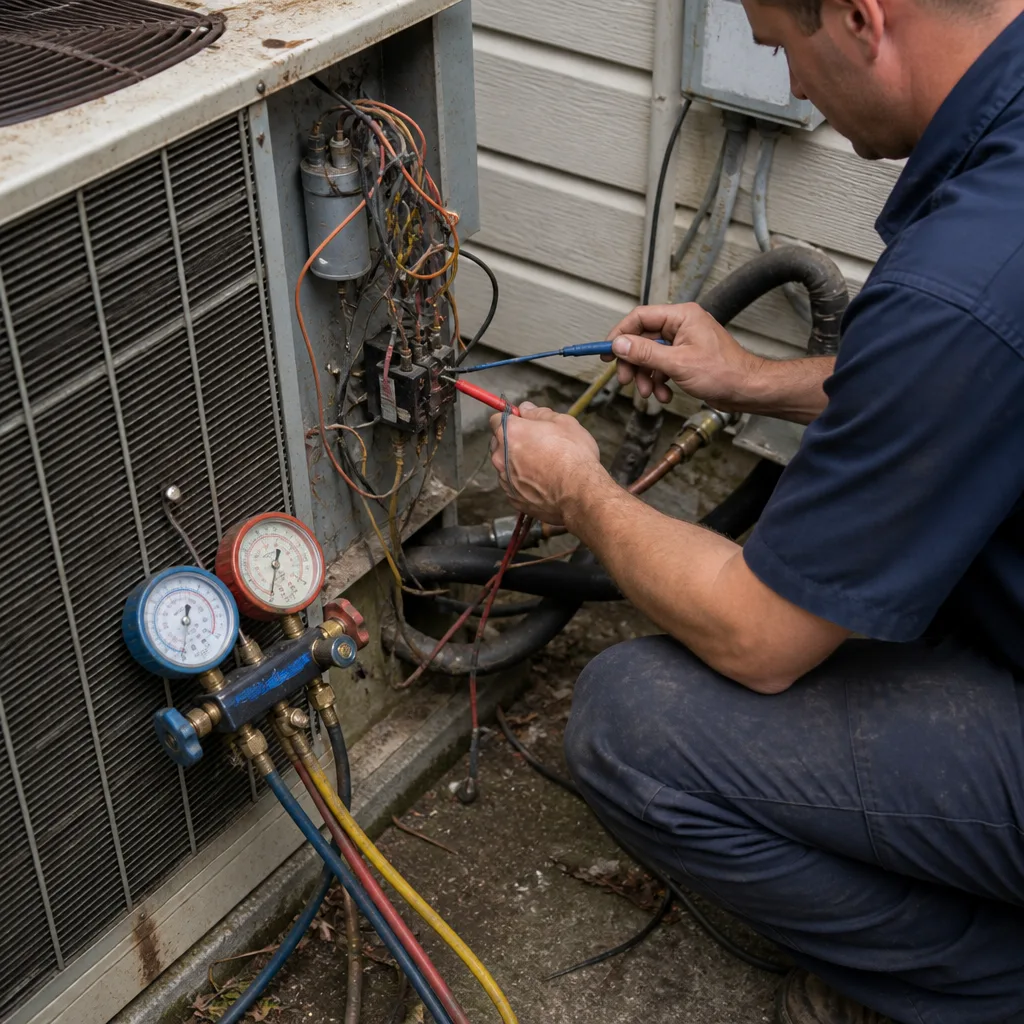 Before
 After
After Before
 After
After Before
 After
After