
 AC repair
 Furnace & heating
 Heat pumps
 Ductless mini splits
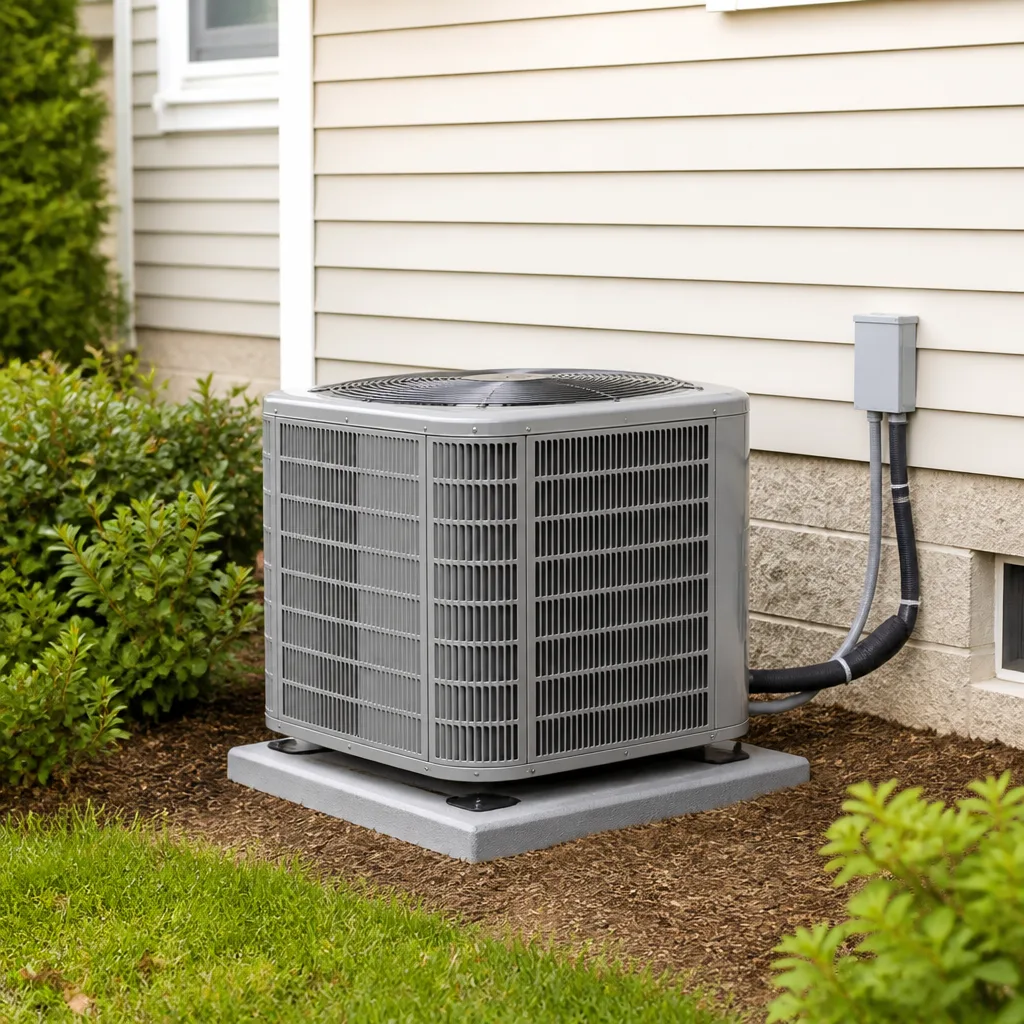 Carrier
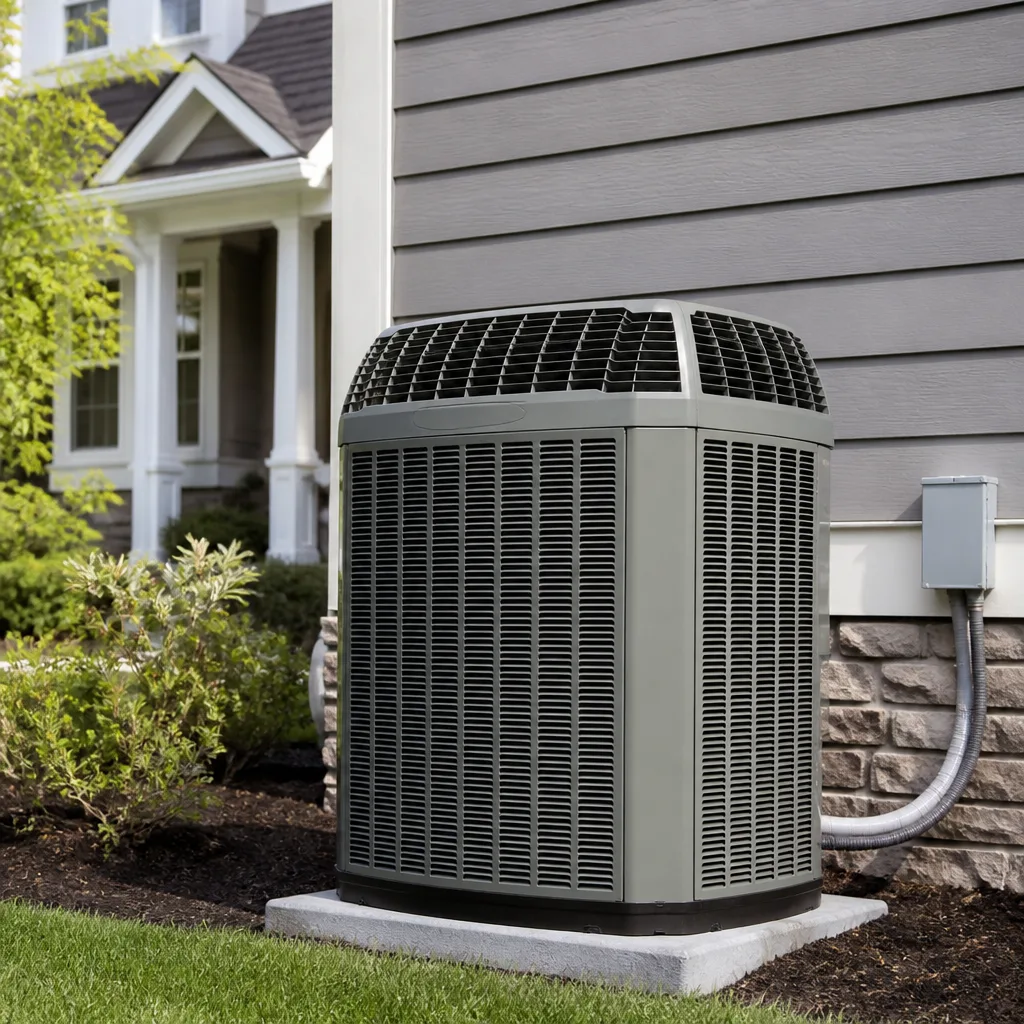 Trane
Trane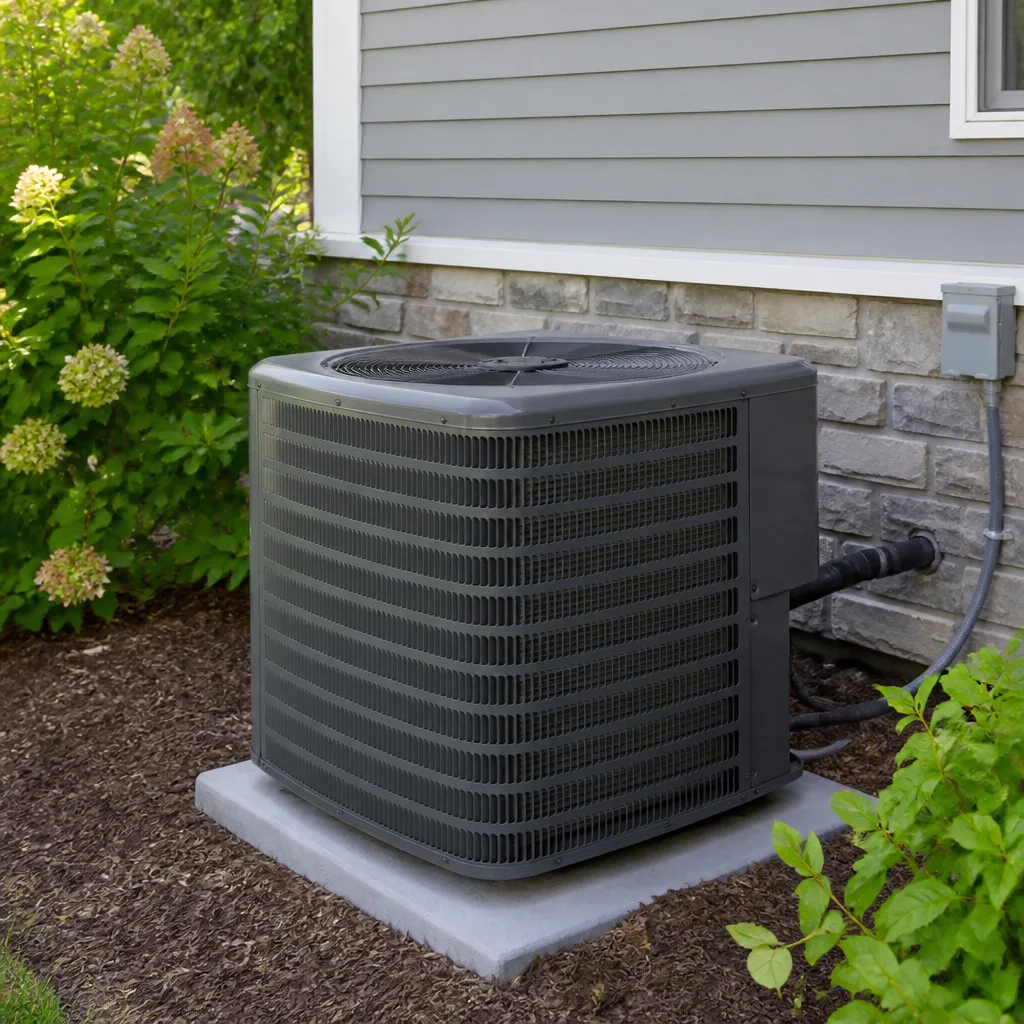 Goodman
Seasonal tune-up and full diagnostic on your Carrier, Trane, or Goodman system - readings shown to you before any repair is proposed
Diagnosis first, numbers second - you approve the repair price before a single part goes in.
Get your free estimateRheem Ductwork Repair: The Austin Owner’s Guide
Rheem ductwork repair in Austin typically runs between $250 and $900 for most jobs, depending on how much duct has failed and how hard it is to reach. We stock Rheem-compatible duct components on our trucks and complete most repairs in a single visit, often the same day you call. You’ll usually discover the problem the same way every Austin homeowner does: one room that never cools in August, a musty smell when the blower kicks on, or a utility bill that jumped 40% from last summer.
Ductwork is the circulatory system of your Rheem system. The furnace or air handler can be running perfectly and still leave you sweating if the ducts are leaking, crushed, or disconnected. In Austin’s heat and humidity, a 15% duct leak doesn’t just waste energy, it pulls attic air into your living space. Victor Mancini and our crew have opened enough Austin attics to know exactly where Rheem duct runs fail first: at the plenum connections, at the flex-duct collars, and anywhere a previous installer took a shortcut.
Which Rheem Models This Applies To
Ductwork repair isn’t tied to a specific Rheem model number the way a control board or blower motor is. What matters is the type of duct your Rheem system uses, and in Austin that’s overwhelmingly two kinds: insulated flex duct (the round, foil-wrapped tubes running through your attic) and rigid ductboard or sheet-metal trunk lines that branch off to each room.
Here’s the compatibility gotcha most homeowners don’t know: Rheem systems are designed to work with specific static pressure ranges, and undersized or kinked ductwork makes even a brand-new Rheem run hot and fail early. If your Rheem air handler is a 4-ton unit, it needs roughly 1,600 CFM of airflow. A duct run sized for 3 tons will choke it. When we repair Rheem ductwork in Austin, we don’t just patch the hole, we check the sizing against what your specific Rheem unit is asking for. That’s the difference between a repair that lasts and one that fails again in July.
For replacement parts, we use OEM-spec duct materials: R-8 insulated flex duct (the minimum that makes sense for Austin attic temperatures that hit 140°F in summer), proper mastic sealant rather than duct tape (which fails within two years in Texas heat), and stainless steel or UL-listed nylon zip ties at every collar. We also service Carrier, Trane, and Lennox systems, so if you’ve got a mixed-brand setup, we can handle the whole house in one visit.
Styles & brands we work with
Signs Your Rheem Ductwork Repair Is Failing
- One room stays hot while the rest of the house cools. This almost always means a disconnected or crushed duct run serving that room. The Rheem system is doing its job; the air just isn’t arriving.
- Dust accumulates fast on furniture near ceiling vents. Leaks in the return-side ducts pull unfiltered attic air into your Rheem system, then blow it through the house. You’re breathing insulation particles.
- Your electric bill spikes in summer beyond normal AC usage. Conditioned air leaking into a 140° attic means your Rheem unit runs longer to hit the same thermostat setting. A 20% duct leak translates directly to 20% more runtime.
- You smell must or stale air when the blower first kicks on. Return-side leaks in Austin’s humid climate pull damp attic air into the system. That moisture feeds mold in the duct liner and can spread through the house.
- Whistling or rushing air sounds from walls or ceilings. High static pressure from crushed or undersized duct makes air force through gaps. It’s a sign your Rheem is working harder than it should and the ducts are fighting back.
See the difference
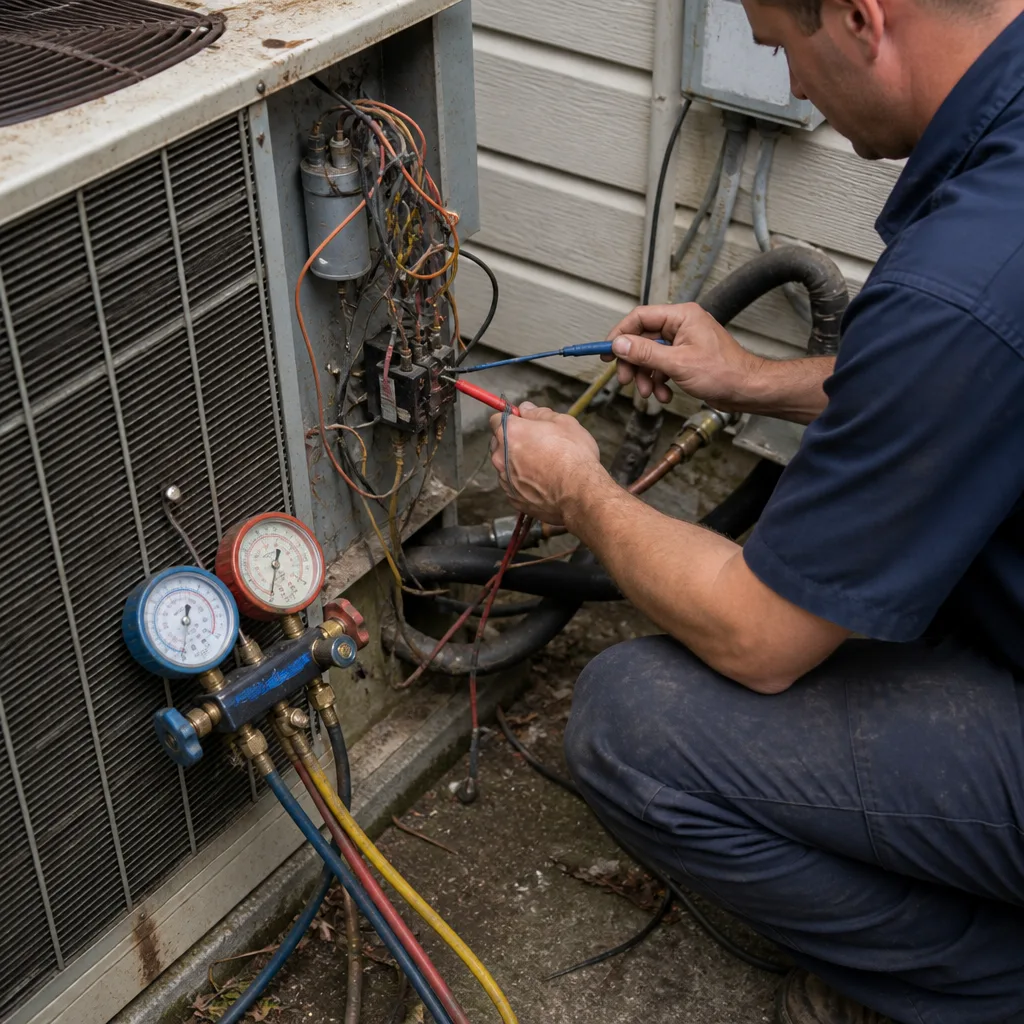 Before
 After
After Before
 After
After Before
 After
AfterReplacement Cost & What’s Included
Here’s what Rheem ductwork repair costs in Austin, based on what we actually see, with the repair running from simple to extensive.
- Small duct repair (reseal collar, patch a flex run, reconnect a fallen duct): $250 – $400
- Mid-size repair (replace one flex run, seal plenum, repair a return leak): $400 – $650
- Larger repair (multiple flex runs, rework trunk connection, add a damper): $650 – $900
- Full duct replacement (quoted per job after a load calc, typically $3,000 – $7,000 for a 2,000 sq ft Austin home): Call for a site visit.
Every one of these prices is written down and handed to you before a single tool comes out. That’s The Kingswell Way: say the price before the work, show up in the window given, leave the place cleaner than found, put the guarantee in writing, come back if it fails. Your repair is covered by our 365-Day Done Right Promise. If the ductwork fails again within a year, we come back and fix it at no charge. No fine print, no prorating, no argument.
DIY or Call Us?
You can safely check a few things yourself. Look for obvious gaps where flex duct meets the ceiling register. Notice if any duct runs are sagging badly in the attic. Check whether dampers (the little metal levers on round ducts) have been accidentally closed. Those are diagnostics, not repairs, and they’ll help you explain the problem when you call.
The actual repair work in an Austin attic is another story. Attic temperatures in summer run 130° to 150°, flex duct repair requires proper mastic sealant or it fails again within a season, and working around electrical lines and gas flues in a cramped attic is not a weekend project. Duct tape fails in Texas heat, period. That’s not a warning, it’s what we see every time a DIY repair fails. If you’re in Hyde Park with an undersized attic or out near the Domain in a newer build with tight truss spacing, call us at (361) 204-1605. One visit, one diagnosis, one fix, that is the only way this works.
FAQs
In Austin’s climate, flex duct typically lasts 15 to 20 years before the inner liner degrades, the outer foil tears, or the insulation compresses and loses its R-value. Older homes in central Austin with original ductwork from the 1990s are due for replacement now, while newer construction near the Domain generally has 10 to 15 years left. Metal trunk lines can last 40+ years if properly sealed and insulated. Call (361) 204-1605 and we’ll tell you honestly whether you’re patching or replacing.
Most duct problems are repairable: disconnected collars, failed seals at the plenum, a crushed flex run, or a return leak can all be fixed in one visit. Replacement becomes the better call when the inner liner is deteriorated, when mold is present inside the duct, or when the original install sized things wrong from day one. We’ll show you what we found before we recommend anything, and the written price tells you exactly what each option costs.
A typical single-run repair or collar reseal takes 1 to 2 hours. Replacing multiple flex runs or reworking a plenum connection is usually a half-day job. Most duct repairs are completed the same day we arrive, and we’ll give you a firm arrival window when you book. If the job runs long, you’ll know before we start, not after.
Yes, we stock R-8 insulated flex duct, collars, mastic sealant, UL-listed ties, and common damper components on our trucks. For unusual duct sizes or specialty Rheem plenum fittings, we can typically source the part same-day or next-day from our Austin suppliers. The technician who shows up will tell you before any work begins whether the part is on hand or needs ordering, and the written price covers the complete job either way.
Ductwork problems only get more expensive as Austin summer drags on. If you’ve got a hot room, a dust problem, or a bill that doesn’t match your thermostat setting, call (361) 204-1605. A live person answers 24/7, and the estimate is free.
Written by Victor Mancini, Owner & Lead HVAC Technician, Cold Harbour Heating and Air Austin at Cold Harbour Heating and Air Austin, serving Austin and nearby areas.