
 AC repair
 Furnace & heating
 Heat pumps
 Ductless mini splits
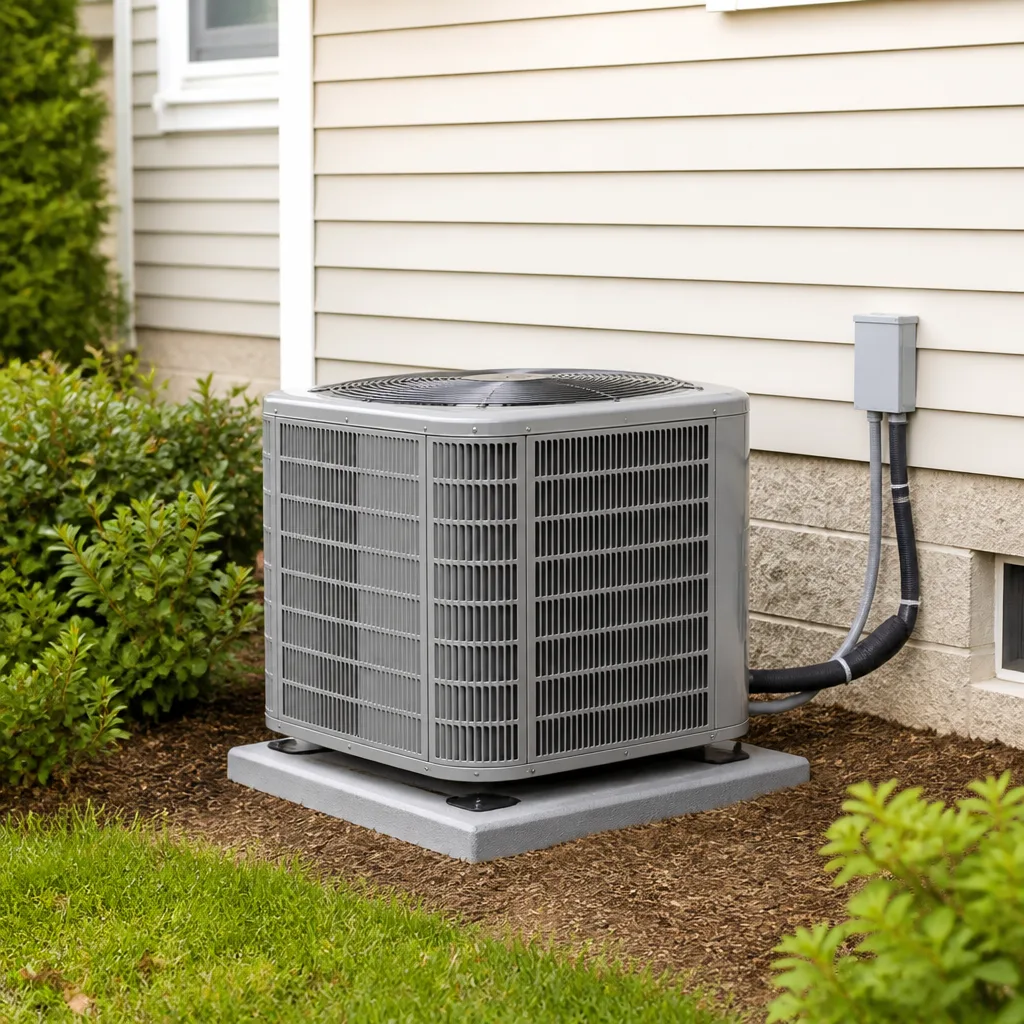 Carrier
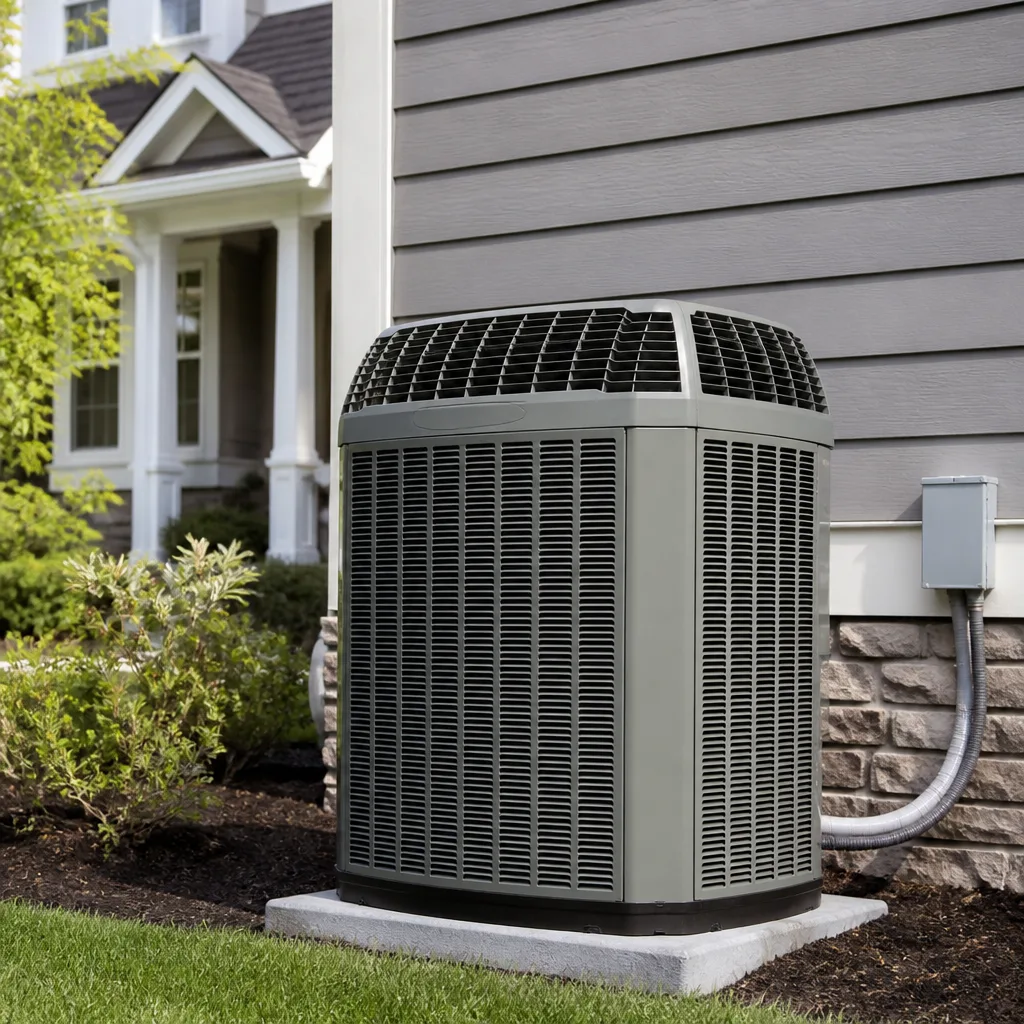 Trane
Trane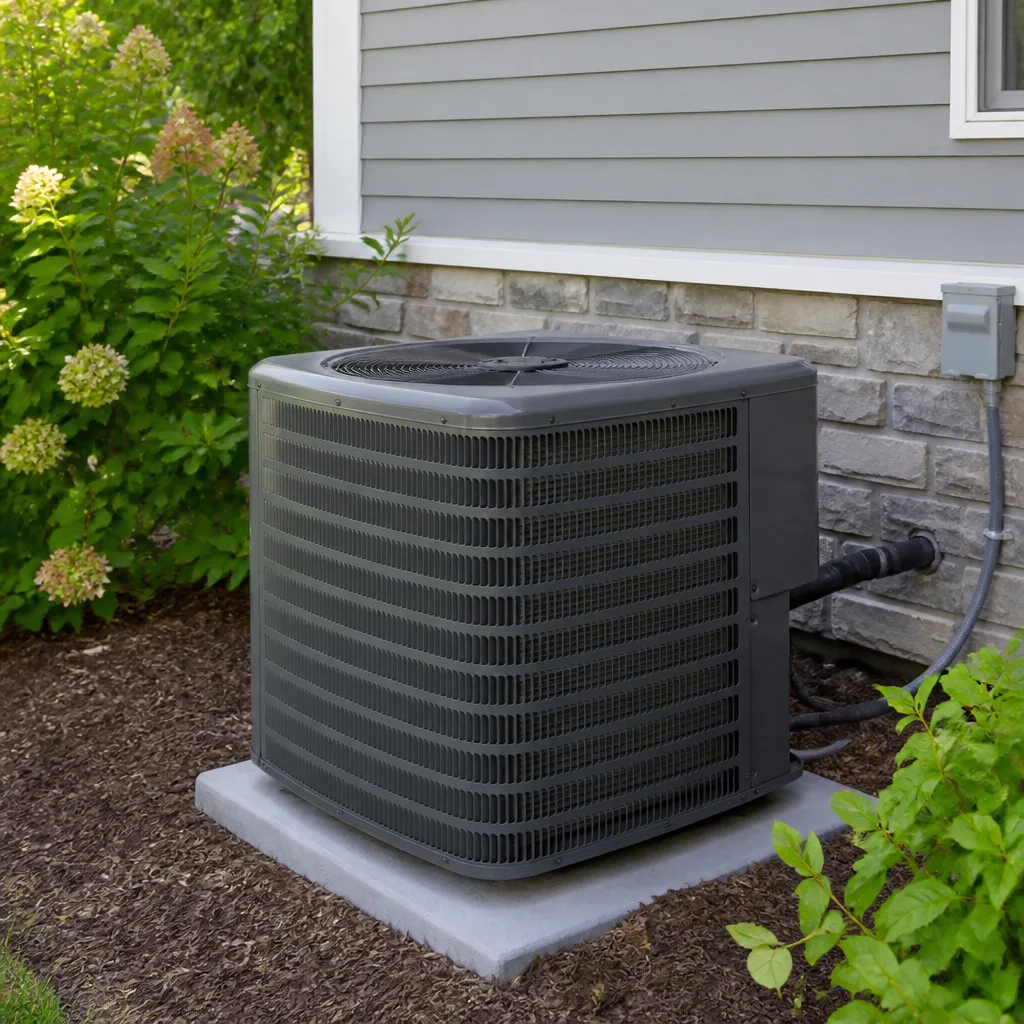 Goodman
Seasonal tune-up and full diagnostic on your Carrier, Trane, or Goodman system - readings shown to you before any repair is proposed
Diagnosis first, numbers second - you approve the repair price before a single part goes in.
Get your free estimateGoodman Ductwork Repair: The Austin Owner’s Guide
Goodman ductwork repair in Austin typically runs $150 – $650 installed, depending on how much of the duct system has failed, whether we’re sealing, patching, or replacing a section, and how accessible the duct run is. We keep Goodman-compatible duct fittings, collars, mastic, and flex duct on the truck, so most repairs are done in one visit. Homeowners usually find out their ductwork has failed in the least pleasant way possible: a bedroom that never cools in August, a musty smell when the blower kicks on, or a utility bill that climbed 40 percent while the thermostat never moved. Ductwork is the circulatory system of your HVAC, and when it leaks, your Goodman air conditioner is working harder while delivering less. The good news is this is a repairable problem, not a replace-the-whole-system problem, and it’s one we fix more weeks than not in this Texas heat.
Which Goodman Models This Applies To
Ductwork itself isn’t really “model-specific” in the way a control board or an inducer motor is. Your Goodman furnace or AC unit connects to the ducts, and the ducts are sized to your home’s airflow requirements, not to the model number on the condenser. That said, there are a few compatibility gotchas worth knowing. If you have a Goodman variable-speed air handler (like a model from the AVPT or MBVC line), the system is more sensitive to static pressure, which means undersized or kinked ducts punish performance faster than they would on a single-stage setup. We’ll check your duct sizing against the blower when we’re in the attic, because the factory airflow spec on variable-speed Goodman equipment is not a suggestion. On the repair side, the most common OEM-style components we stock are 4-inch to 16-inch flex duct, metal start collars, galvanized elbows, elbows turned into boots, mastic sealant, and foil-backed tape. For Goodman systems, we prefer OEM-grade insulated flex (R-6 or R-8, which actually meets Austin’s energy code for unconditioned attics) over cheap uninsulated ducting, because an R-4.2 flex duct in a hot attic will sweat, soak the insulation, and ruin the ceiling below. One more thing: Cold Harbour Heating and Air Austin is an independent HVAC service provider, not a Goodman affiliate. We simply work on a lot of Goodman equipment, because it’s one of the most common brands in Austin homes.
Styles & brands we work with
Signs Your Goodman Ductwork Repair Is Failing
- One room never reaches the set temperature. This is the classic “duct separated in the attic” symptom. A run to that room has pulled apart at a joint, so conditioned air is going into the attic instead of the room. We find this constantly in older Austin houses, usually on a supply run that was taped rather than masticed.
- Dust is worse than it used to be, especially when the system first kicks on. A return duct with a gap in it pulls attic air and insulation dust directly into the blower. The dust gets blown into every room in the house. If you see dust streaks around ceiling registers, that’s the tell.
- Your AC runs longer but the house feels humid. Leaky ducts pull hot, humid attic air into the return side, which means your Goodman coil is now trying to dehumidify the entire attic. The AC runs constantly, the temperature barely drops, and the humidity feels swampy.
- You hear a flapping or popping sound when the blower starts. That’s a flex duct collapsing and reinflating, usually a sagging run that’s lost its support straps, or a section that got kinked when someone stored boxes on it. Over time this weakens the inner liner and the duct may eventually tear.
- Your attic has condensation or water staining around the ducts. When warm attic air hits cold duct surfaces, it sweats. If the duct insulation is damaged, this becomes a dripping problem that soaks drywall and breeds mold. We’ve seen it ruin ceilings in Round Rock and Cedar Park just as much as in central Austin.
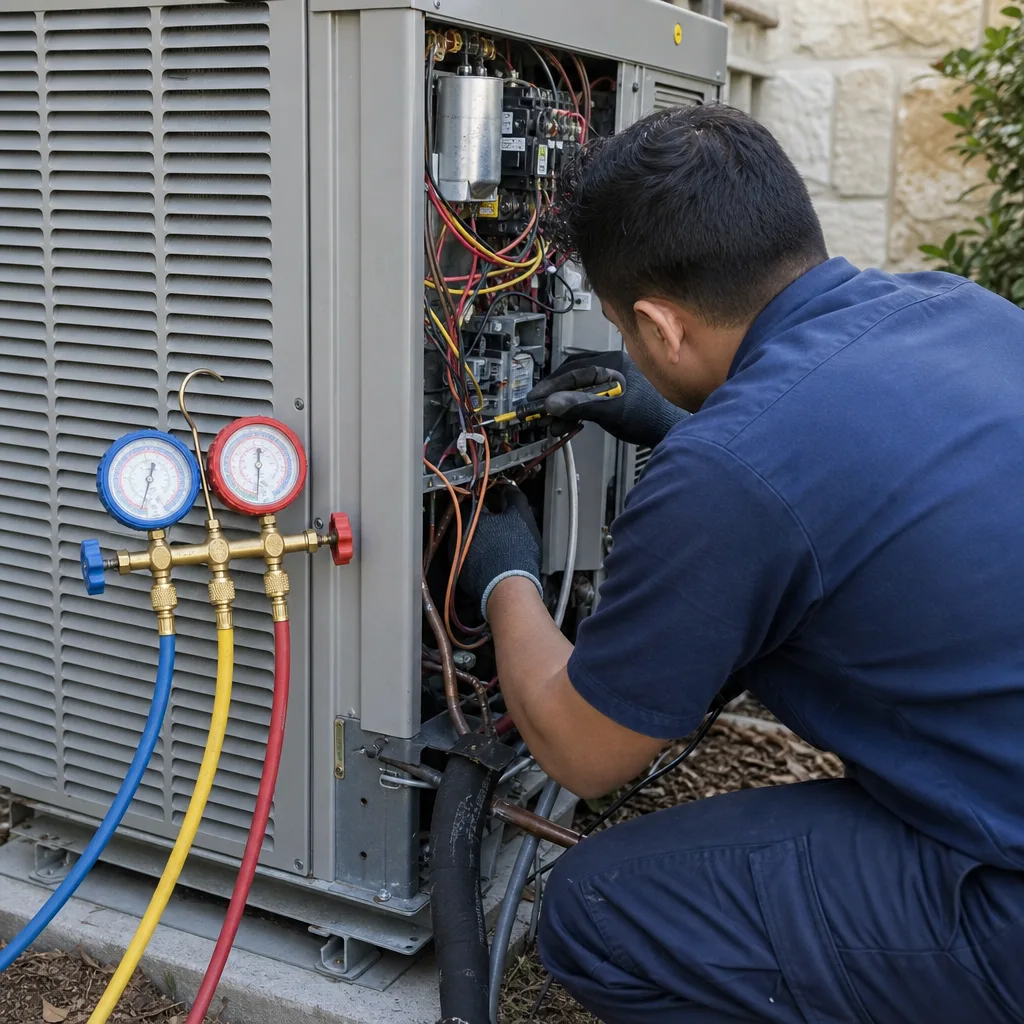
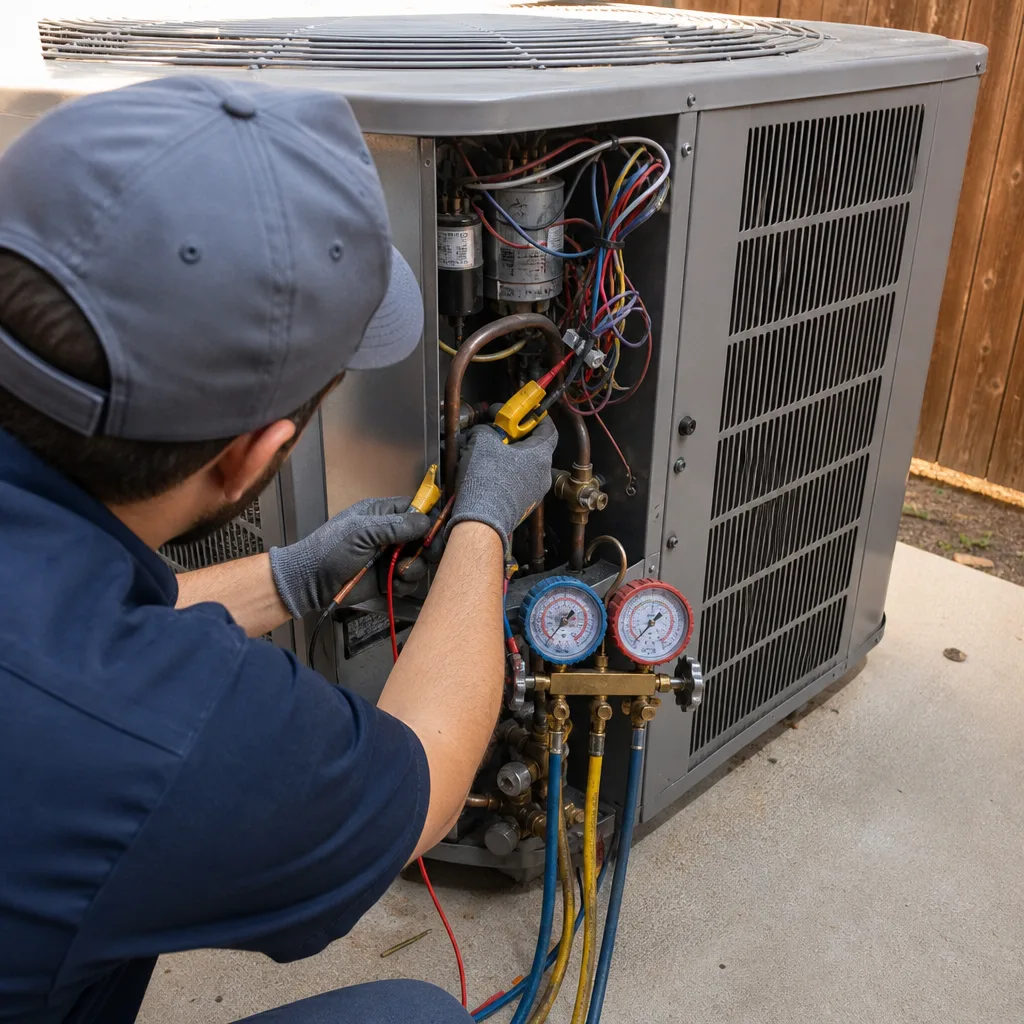
See the difference
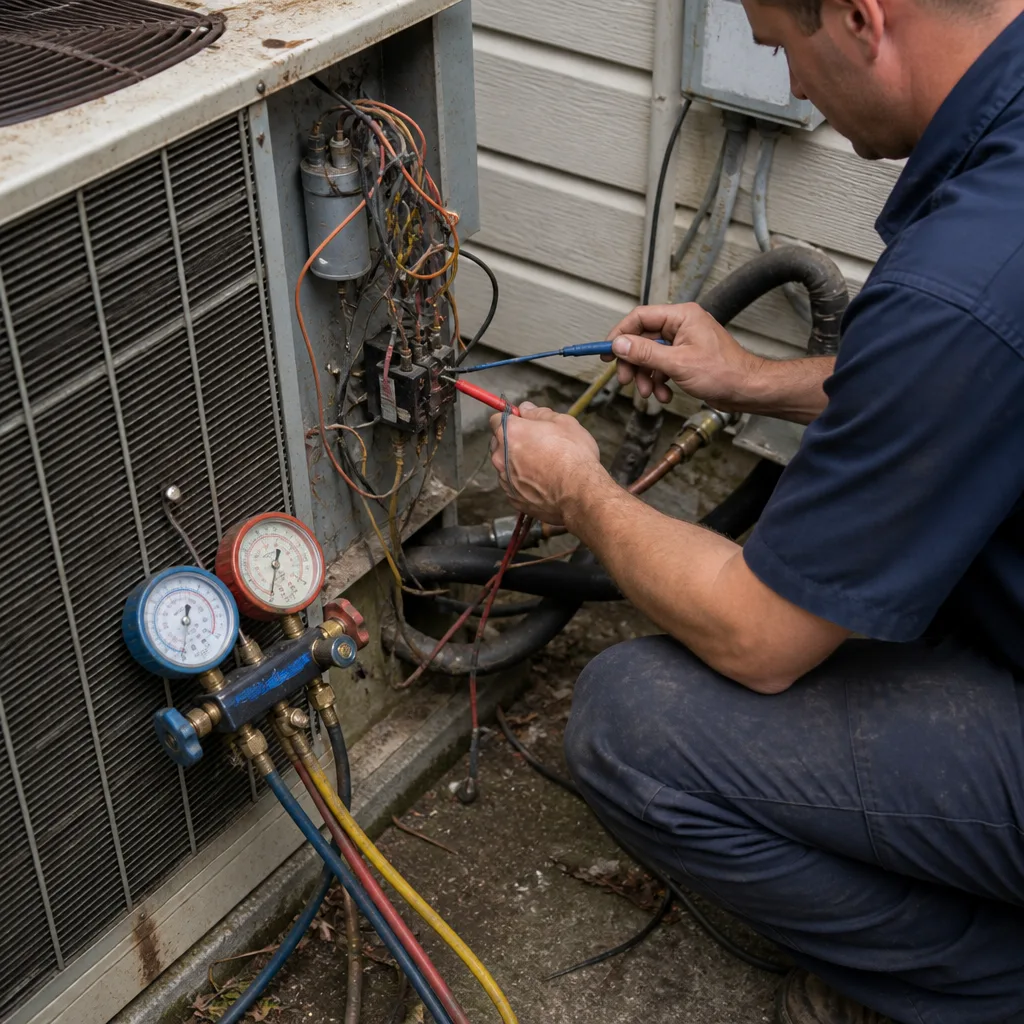 Before
 After
After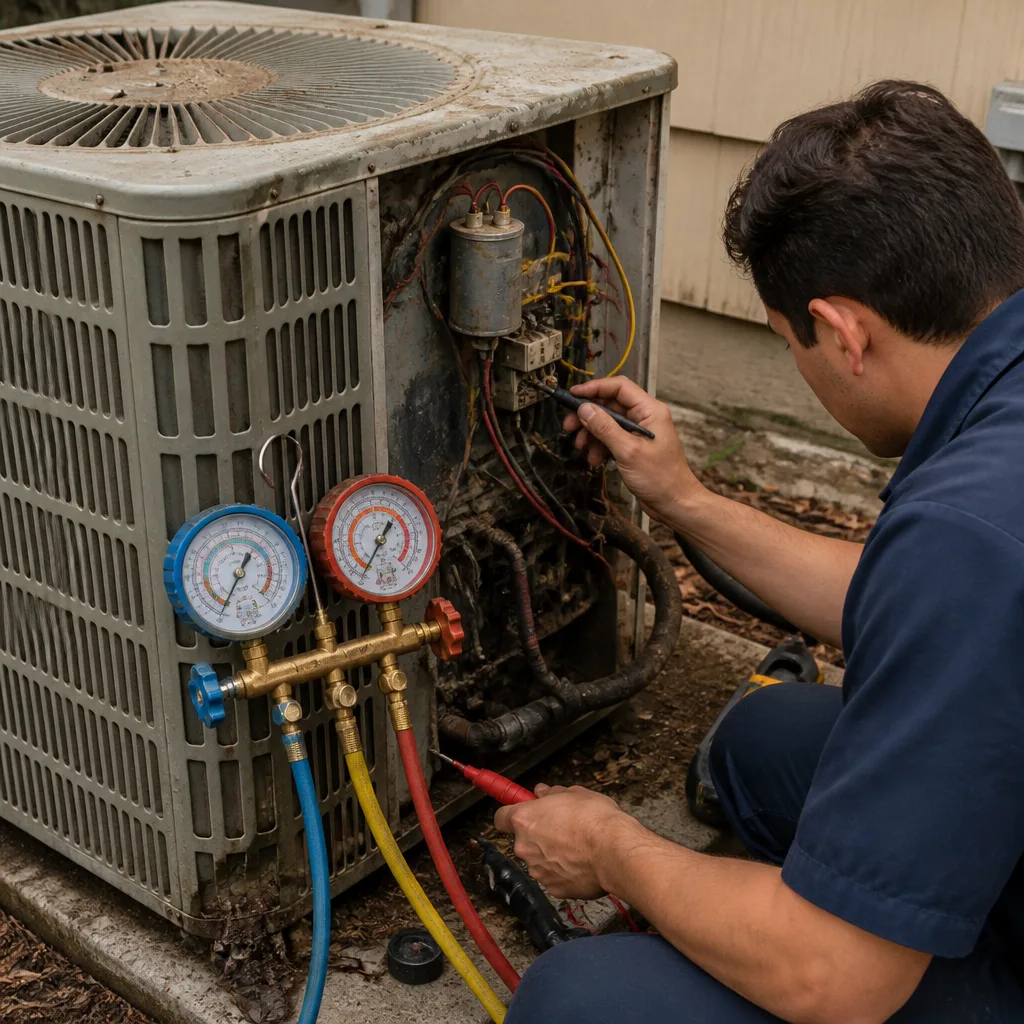 Before
 After
After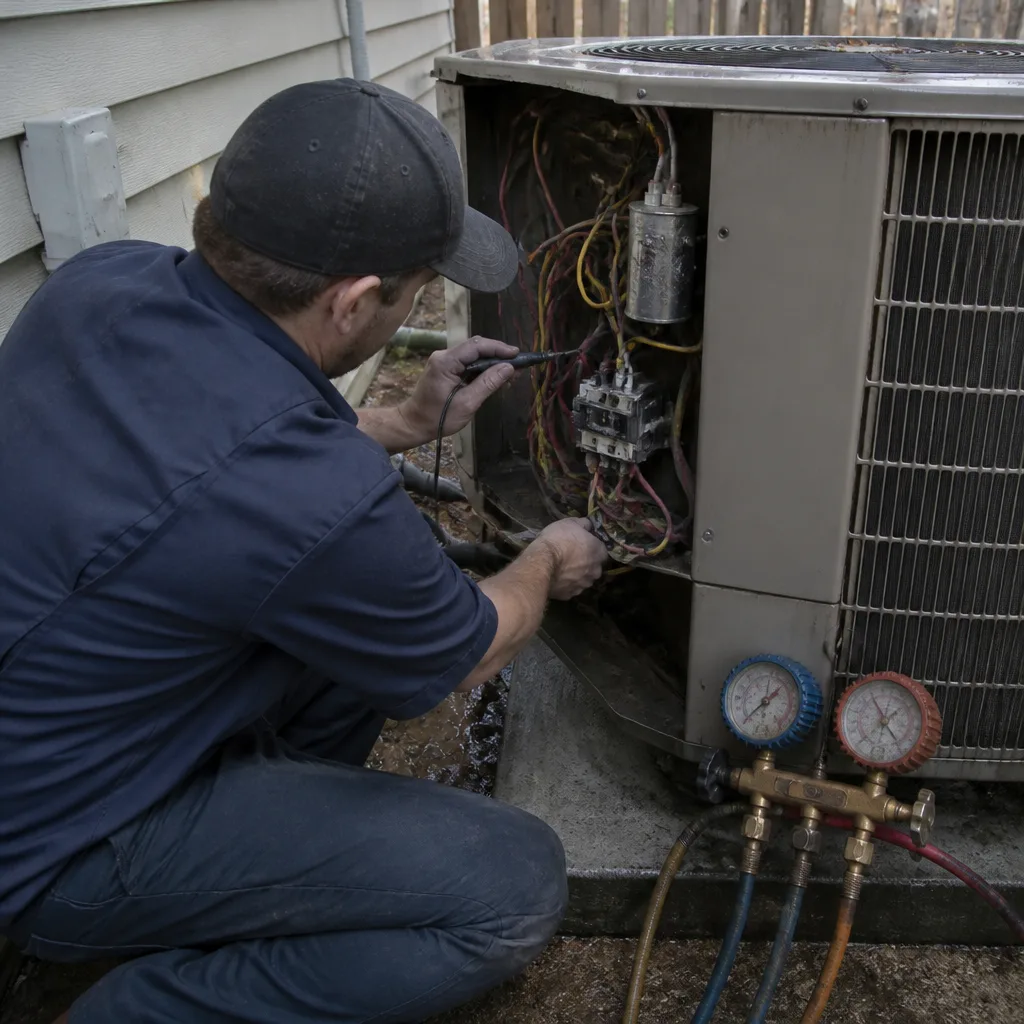 Before
 After
AfterReplacement Cost & What’s Included
For the Austin market, here’s what we quote on ductwork repair before we touch a screwdriver:
- Small repair (one joint, one torn section, one collapsed run): $150 – $300
- Medium repair (multiple leaks, a few feet of flex duct replacement, sealing a return chamber): $250 – $450
- Large repair (major run replacement, duct redesign on one zone, extensive mastic sealing throughout the attic): $450 – $650
Every quote includes the parts, the labor, the mastic and tape, and the guarantee in writing. You get the price before we open the truck. You get a firm arrival window. And when we leave, the work is covered for 365 days under the Cold Harbour 365-Day Done Right Promise. If a repair fails inside a year, we come back and fix it at no charge. That’s not an upsell and not a verbal promise; it’s written on the invoice before you sign anything. The Kingswell Way is built on this: say the price before the work, show up in the window given, leave the place cleaner than we found it, and put the guarantee on paper.
DIY or Call Us?
Ductwork repair is one of the few HVAC jobs where a careful homeowner can genuinely help themselves, but only up to a point. What you can safely do: look for obvious separations at visible duct joints, check whether flex runs are crushed under boxes or storage bins, and eyeball your registers for dust streaks. What you should not do: climb into a hot attic in July and start cutting into ducting without understanding airflow. A poorly patched duct can make the problem worse, and a homeowner without fall protection training in an attic is a trip to the emergency room waiting to happen. You also can’t really test for leaks without a proper flow hood or static pressure gauge. One visit, one diagnosis, one fix – that is the only way this works. Victor Mancini has been in Austin attics for well over a decade, and if he’s learned one thing, it’s that ductwork repairs patch poorly for people who guess. Call us at (361) 204-1605 and we’ll diagnose it once, fix it once, and put the guarantee in writing.
FAQs
In an Austin attic, flex duct typically lasts 10 to 15 years before the outer jacket deteriorates, the insulation compresses, or the inner liner tears. Attic heat accelerates the breakdown; ducts in cooler climates can go 20-plus years, but our summers cook the plastic and mastic joints faster. If your home is 15 years old and the ducts have never been inspected, you’re due.
Ductwork can almost always be repaired at the failure point: a separated joint gets remasticed, a crushed run gets rerouted, a torn section gets cut out and replaced. Full duct replacement is only worth it when the system was undersized originally or the ducts are deteriorating throughout. We’ll tell you honestly which one you actually have, and the phone call costs you nothing.
Most repairs take 30 to 90 minutes; a full-run replacement or a major reseal might push two hours or longer, depending on the attic access and how much of the run is buried under insulation. We’ll give you the time window when we schedule, and we’ll give you the price before the work starts, so there are no surprises at the door.
Yes. We stock common sizes of R-6 and R-8 flex duct, metal start collars, elbows, boots, mastic, and foil-backed tape, in addition to parts for Carrier, Trane, and Lennox equipment. If we don’t have an unusual fitting on board, we’ll pick it up and return the same day. Call (361) 204-1605 for an exact quote – estimates are free, and a live person answers the phone 24/7.
Written by Victor Mancini, Owner & Lead HVAC Technician, Cold Harbour Heating and Air Austin at Cold Harbour Heating and Air Austin, serving Austin and nearby areas.