
 AC repair
 Furnace & heating
 Heat pumps
 Ductless mini splits
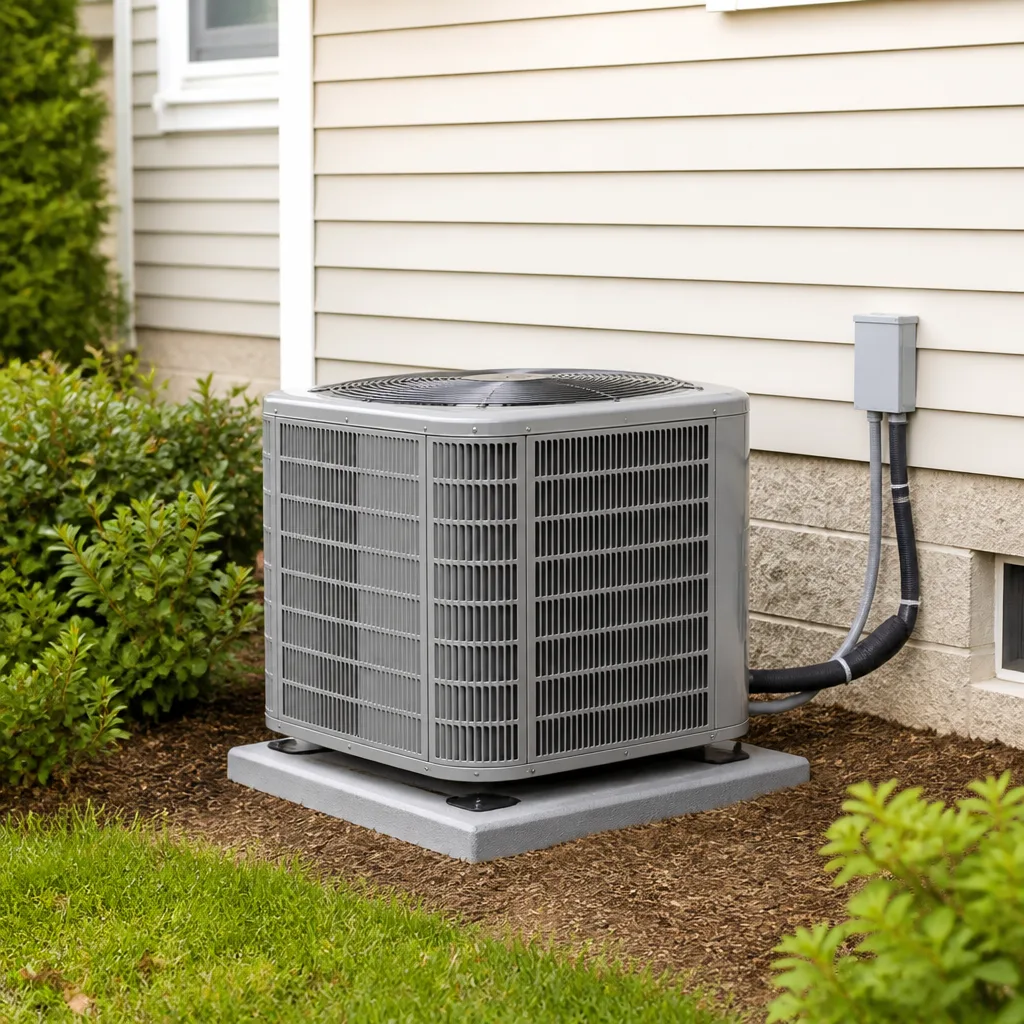 Carrier
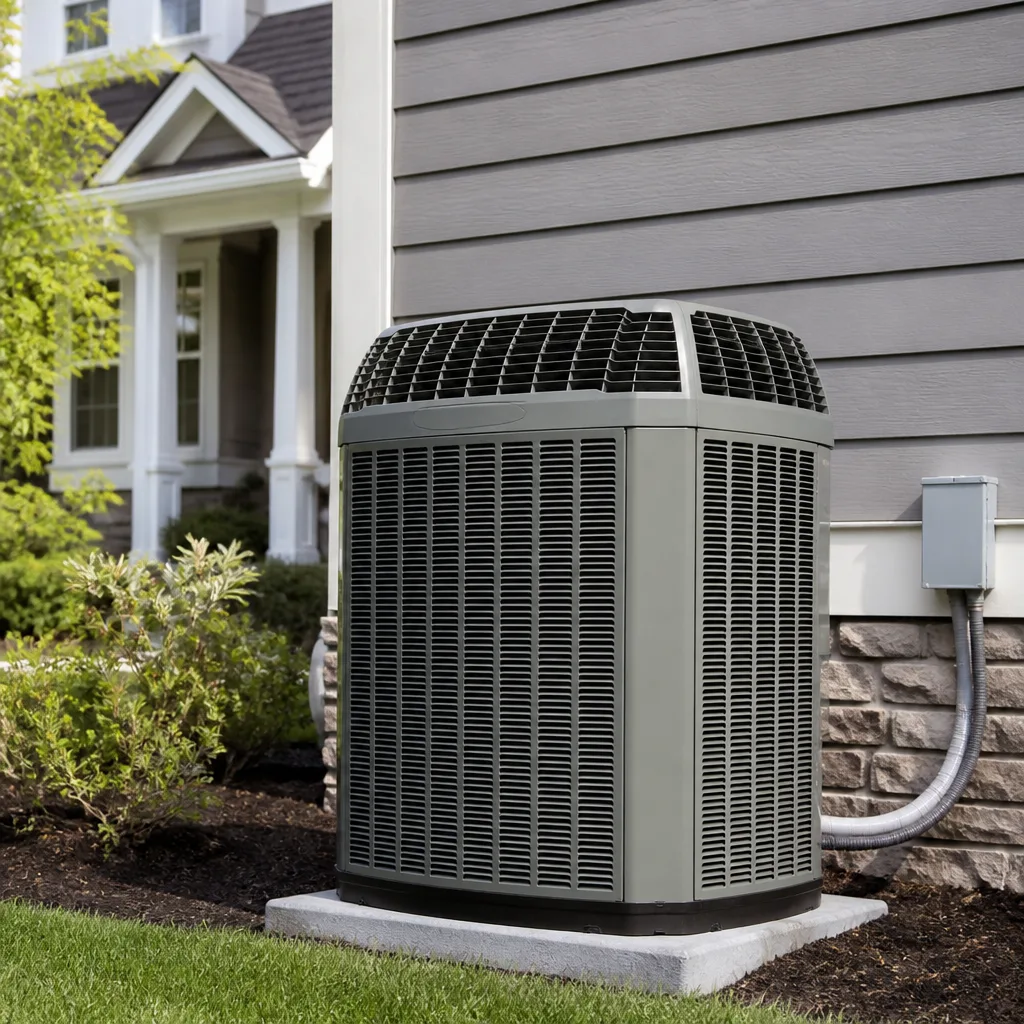 Trane
Trane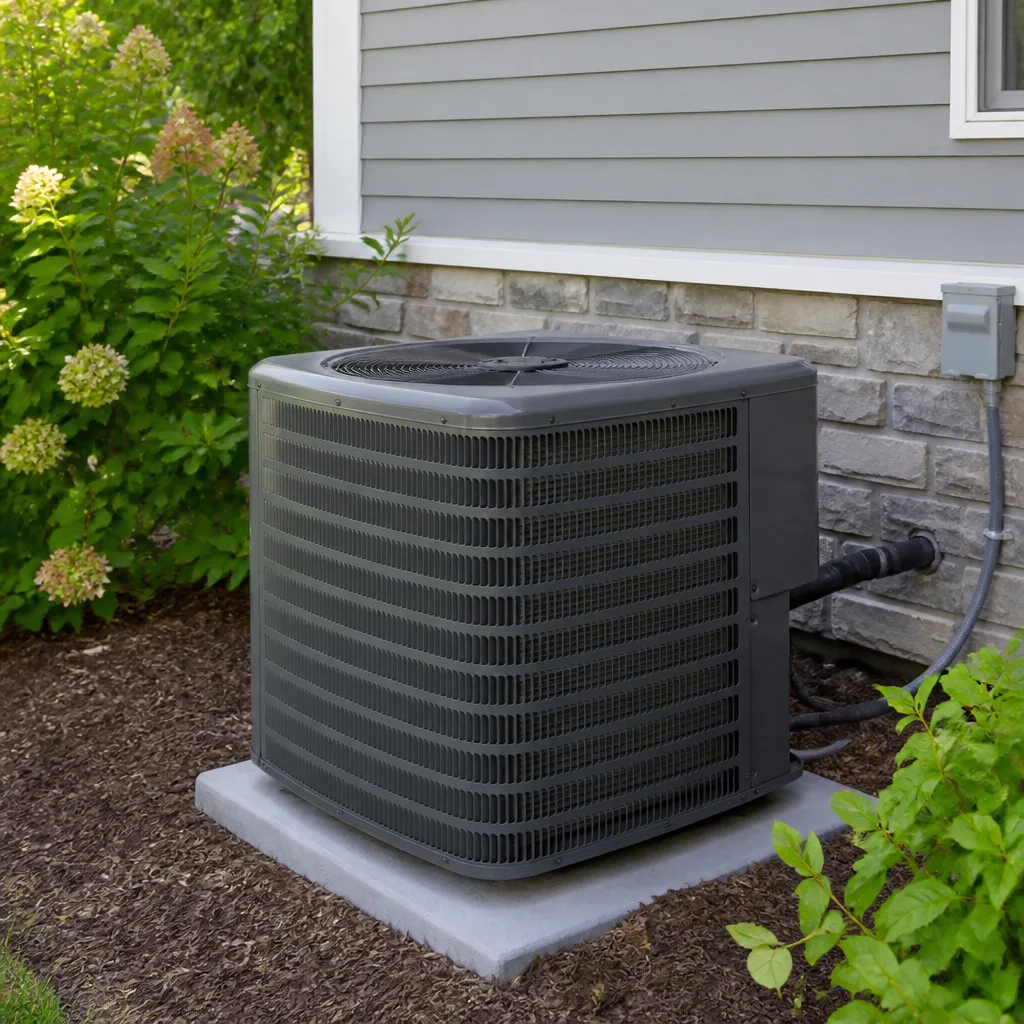 Goodman
Seasonal tune-up and full diagnostic on your Carrier, Trane, or Goodman system - readings shown to you before any repair is proposed
Diagnosis first, numbers second - you approve the repair price before a single part goes in.
Get your free estimateTrane Ductwork Repair: The Austin Owner’s Guide
Ductwork repair on a Trane system in Austin typically runs $250 – $950 installed, depending on how much of the duct run has failed and whether it’s accessible from the attic or buried in a chase. We stock Trane-compatible duct materials on our trucks and can usually complete the repair the same day we diagnose it.
Most Austin homeowners discover they have a duct problem through symptoms, not by seeing the damage. A room that’s always ten degrees warmer than the rest of the house. A utility bill that jumped thirty percent in one summer. A musty smell that only appears when the AC kicks on. Those are duct failures talking. What we find when we get into the attic is usually one of three things: a collapsed flex duct, a separated joint where two sections meet, or insulation that’s been shredded by rodents and left the duct sweating into the attic heat. Austin’s climate makes duct problems worse than in cooler cities. When attic temperatures hit 140°F in July and August, a duct leak isn’t just wasting conditioned air. It’s pulling that superheated attic air into your supply stream, and your Trane system has to fight against itself all afternoon.
We’re an independent Austin HVAC company. We service Trane equipment every week, and we know exactly how their duct connections are spec’d. But we’re not affiliated with Trane, and we’ll be straight with you about when an OEM part matters and when a quality aftermarket equivalent does the same job for less money.
Which Trane Models This Applies To
Ductwork itself is not brand-specific in the way a control board or a blower motor is. But the way Trane air handlers and furnaces connect to duct runs does vary by model line, and getting the connection details right is where a duct repair either holds or fails inside a year.
Trane systems we commonly see in Austin homes include the XR series (XR13, XR14, XR16), the XL series (XL14i, XL16i, XL18i, XL20i), and the newer S-series and RunTru lines that have become common in tract-home installations around Cedar Park and Round Rock over the last decade. The air handler or furnace model number is on a data plate inside the cabinet door, and the duct connection size is stamped on the plenum adapter. Most Trane residential systems in Texas use plenum openings between 17.5 and 24.5 inches wide, with ductwork sized to match the blower’s CFM rating. Get the duct diameter wrong relative to the blower spec, and you get whistling, high static pressure, and a blower motor that works itself to death. That’s the kind of detail we check on every duct repair job.
For the duct material itself, we use either OEM Trane-spec flex duct or a code-rated R-8 equivalent from suppliers we’ve worked with since the early 2000s. The honest truth: Trane doesn’t manufacture the majority of its residential ductwork. It’s supplied by third-party duct manufacturers to Trane’s specifications. A quality R-8 flex duct with a reinforced vapor barrier meets or exceeds those specs, and it saves you money versus chasing an OEM-labeled box. Where OEM matters is at the connection points: Trane’s flanged collars and plenum adapters have specific dimensions, and using a universal-fit connector there is asking for an air leak.
One compatibility gotcha we see often in Austin: pre-2010 Trane air handlers used round duct collars almost exclusively. Post-2015 models frequently mix round and rectangular connections on the same plenum. A homeowner orders the right “size” duct but the wrong collar shape, and the duct never seats properly. Check the actual collar shape at the plenum before you buy anything.
Styles & brands we work with
Signs Your Trane Ductwork Repair Is Failing
- Uneven room temperatures. The bedroom at the end of the hall is always 8 – 12 degrees warmer than the living room, even with the same thermostat setting. This usually means a duct run has separated or collapsed somewhere between the plenum and that register. Air that should be reaching that room is dumping into the attic instead.
- Dust accumulating fast. You’re dusting surfaces twice a week and it still looks like nobody’s home. When a return duct pulls attic air through a leak, it carries insulation particles, dust, and whatever else is up there straight into your living space and your Trane filter.
- An electrical bill that climbed without explanation. Austin Energy rates have gone up, yes, but a 25 – 40% jump in a single summer points to conditioned air leaving the system before it reaches your rooms. Your Trane compressor and blower are running longer to compensate, and you’re paying for that runtime.
- Musty or stale smell when the system runs. That’s attic air being pulled through a return-side duct leak. Austin attics get humid, and the air up there carries whatever’s been growing in it. A separated return duct will reliably produce that smell within minutes of the blower starting.
- Whistling or rushing air sounds in walls or ceilings. Ducts are designed to move air quietly at a specific static pressure. When a joint fails, air escapes through a gap you can hear, especially in the wall cavity where a duct run passes. It’s not the duct “working hard.” It’s leaking.
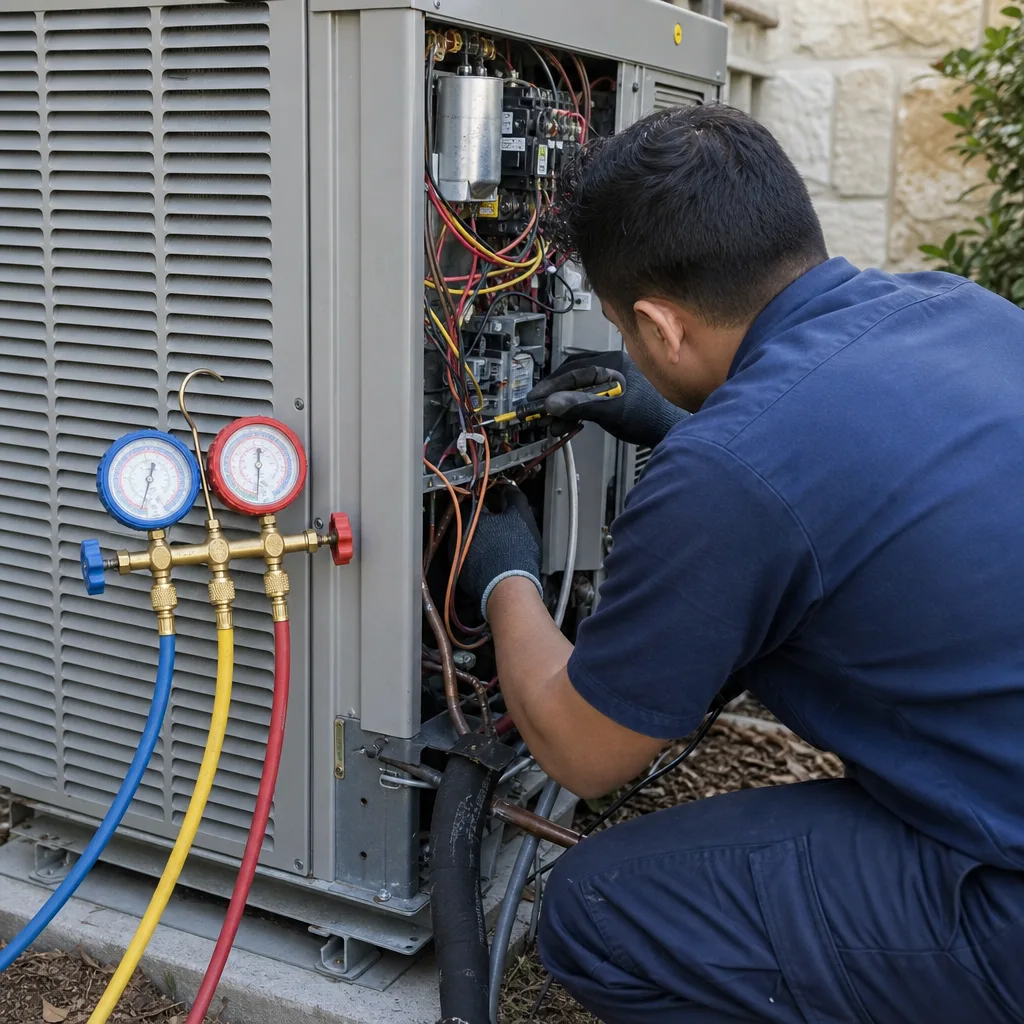
See the difference
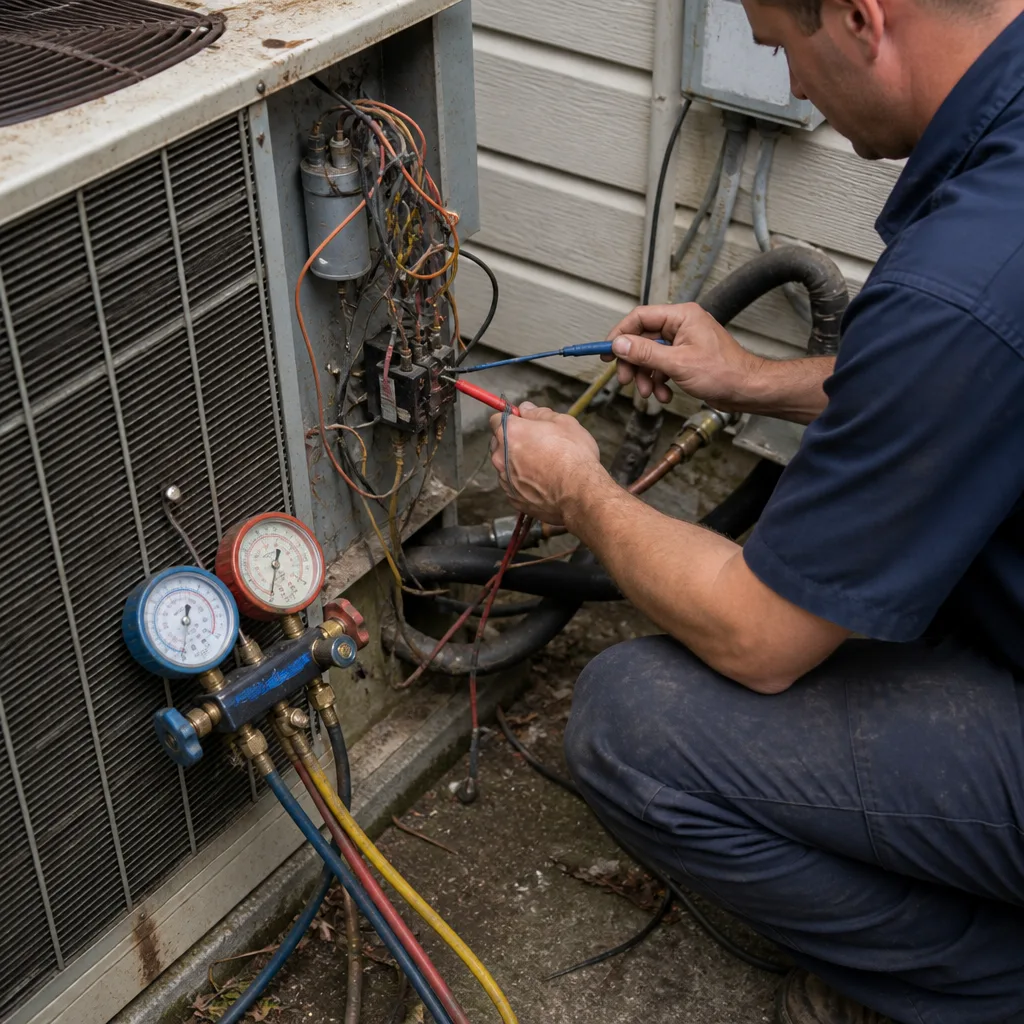 Before
 After
After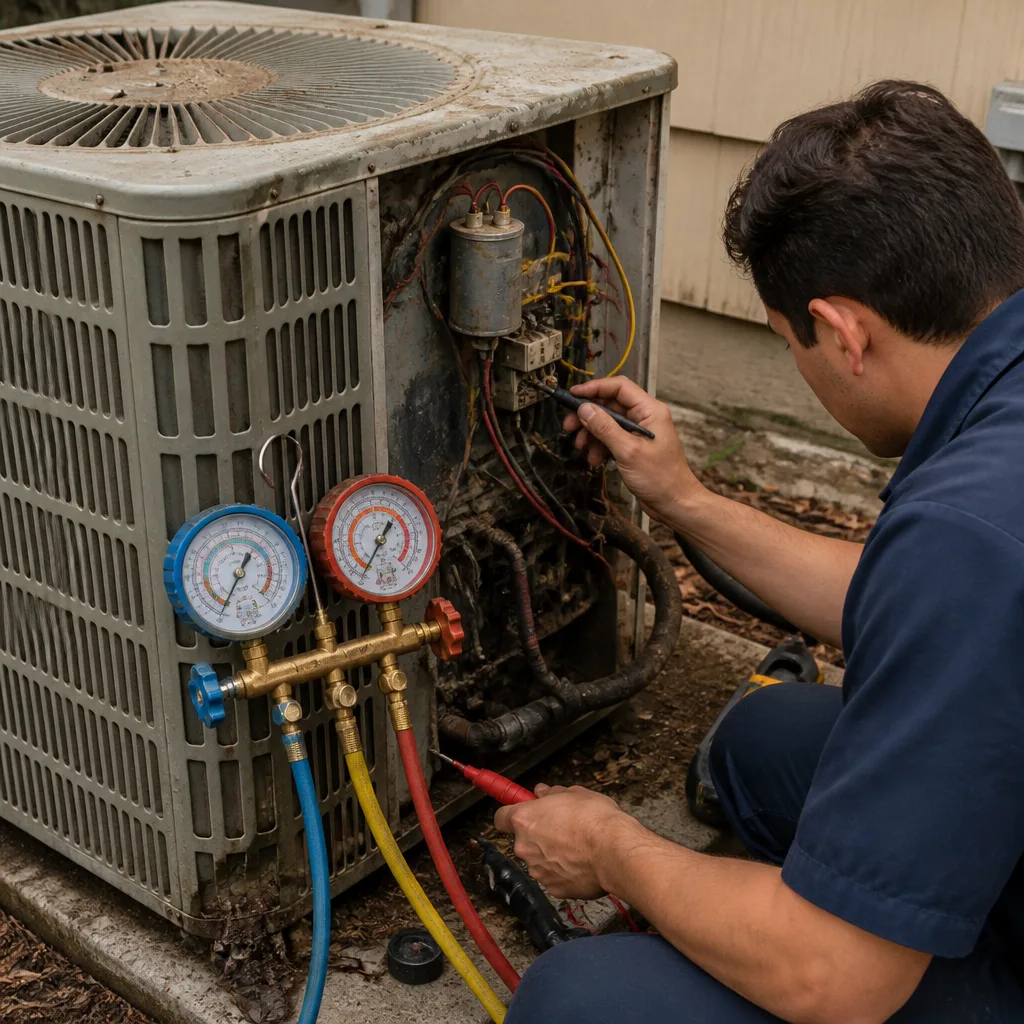 Before
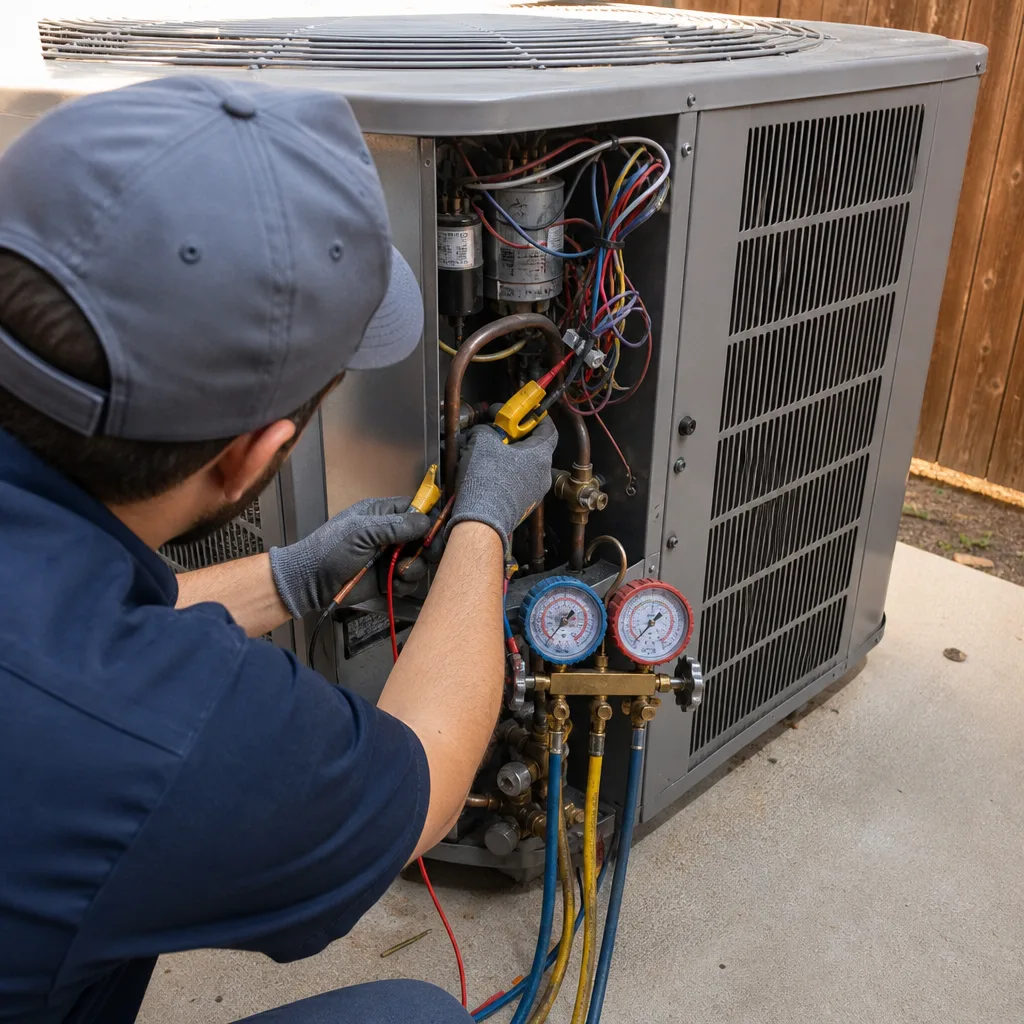 After
After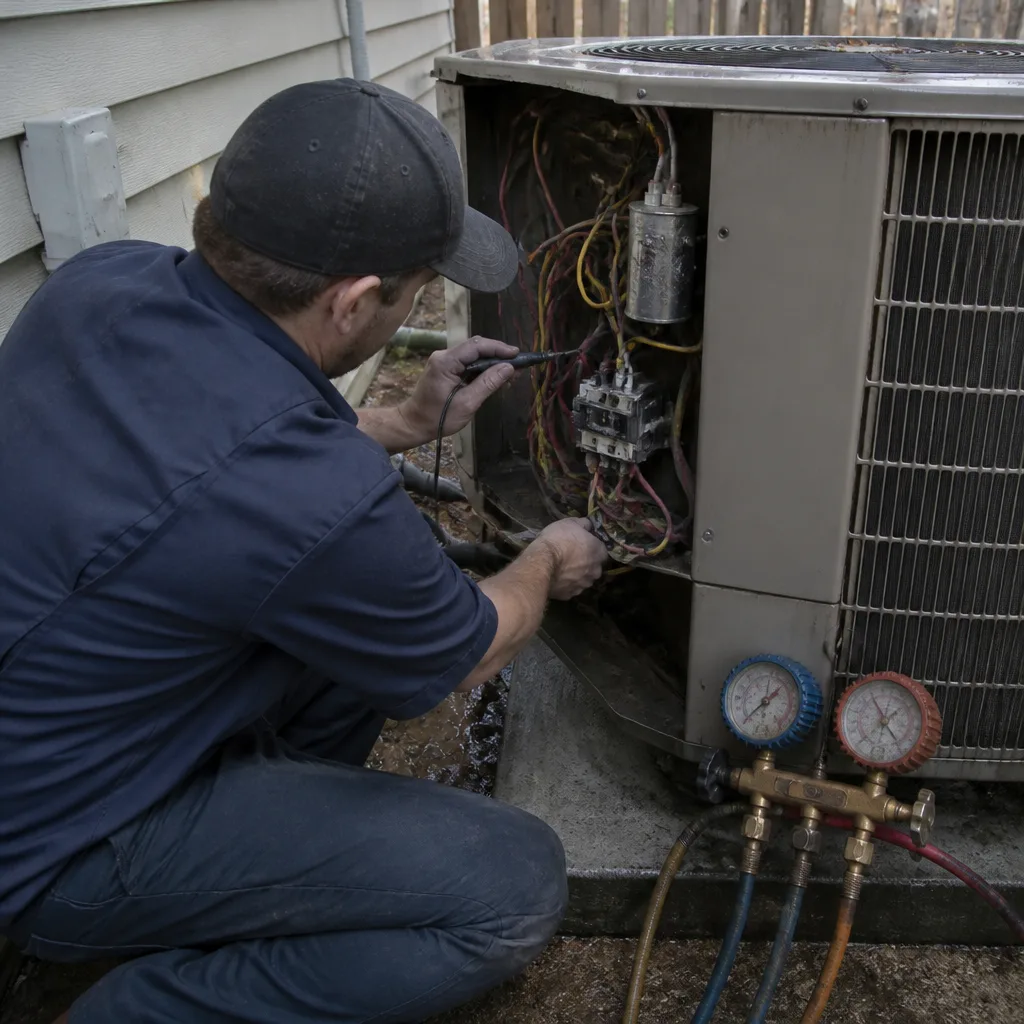 Before
 After
AfterReplacement Cost & What’s Included
Here’s what we charge in Austin for the most common duct repair scenarios, parts and labor included:
- Single flex duct run replacement (up to 25 feet): $300 – $600
- Duct joint re-seal and re-hang (multiple connections): $250 – $450
- Return duct repair with new plenum collar: $350 – $700
- Full duct inspection with minor repairs: $180 – $350
- Torn duct insulation re-wrap (small sections): $150 – $300
The range depends on three things: accessibility, how much duct has to come out, and whether we’re dealing with a supply side leak or a return side leak. A collapsed duct in an open attic with walkable decking is a two-hour job. The same failure in a tight crawlspace under a 1970s Hyde Park bungalow takes longer just to get tools in place.
Every duct repair we do includes a written price before we start, the specific materials we’ll use, cleanup of the work area, and the 365-Day Done Right Promise in writing. If that duct repair fails within a year, we come back and fix it. No charge, no debate.
DIY or Call Us?
There are things a homeowner can safely check. You can look at your registers and returns for obvious disconnects. You can walk the attic if you have decking and the stomach for 130-degree heat in July, and look for ducts that have sagged or separated. You can hold a tissue near a suspect joint while the system runs and watch for fluttering.
Here’s where DIY goes sideways: cutting and reconnecting flex duct properly requires knowing how to stretch it to the manufacturer’s spec (too tight and you tear it, too loose and you lose airflow), how to seal it with mastic (not duct tape, which fails in Austin attic heat within two seasons), and how to hang it so it doesn’t sag and pool condensation. A poorly done duct repair leaks air you can’t see, wastes energy you pay for, and shortens the life of your Trane equipment. Ductwork itself isn’t dangerous like electrical or gas work, but a bad duct repair quietly costs you money every day it exists. If you’ve found the problem spot and want it done right the first time, call us at (361) 204-1605. We’ll give you a straight price before we touch anything.
FAQs
Properly installed flex duct in an Austin attic typically lasts 15 – 20 years, but the vapor barrier often begins degrading around year 12 due to attic heat cycling. Rodent damage and poor initial installation can cut that lifespan to under 10 years. If your ducts are approaching 15 years old and you’re seeing symptoms, a targeted replacement of the failing runs usually makes more sense than continuing to patch.
Yes, in most cases. Separated joints, torn insulation, and small punctures can be repaired by re-sealing with mastic, re-wrapping, and re-hanging. We replace duct runs only when the inner liner has collapsed, the duct has been shredded by rodents, or the run was sized wrong for the system from the start. We’ll show you the damage before recommending replacement, and the price is always written before work begins.
Most single-run duct repairs in Austin homes take 2 – 4 hours from setup to cleanup. Repairs involving multiple runs or return-side work at the plenum can take a full day. We’ll give you a firm arrival window when you book, and we call if anything changes.
Yes. Our trucks carry R-8 flex duct in the most common residential diameters (6, 8, 10, 12, 14, and 16 inches), Trane-compatible plenum collars, mastic, zip ties, and hanger strapping. If your system needs a specialty Trane-spec component we don’t have on hand, we can typically source it from our Austin supply houses the same day. Call (361) 204-1605 to schedule diagnostics.
Written by Victor Mancini, Owner & Lead HVAC Technician, Cold Harbour Heating and Air Austin at Cold Harbour Heating and Air Austin, serving Austin and nearby areas.