
 Furnace & heating
 AC repair
 Heat pumps
 Ductless mini splits
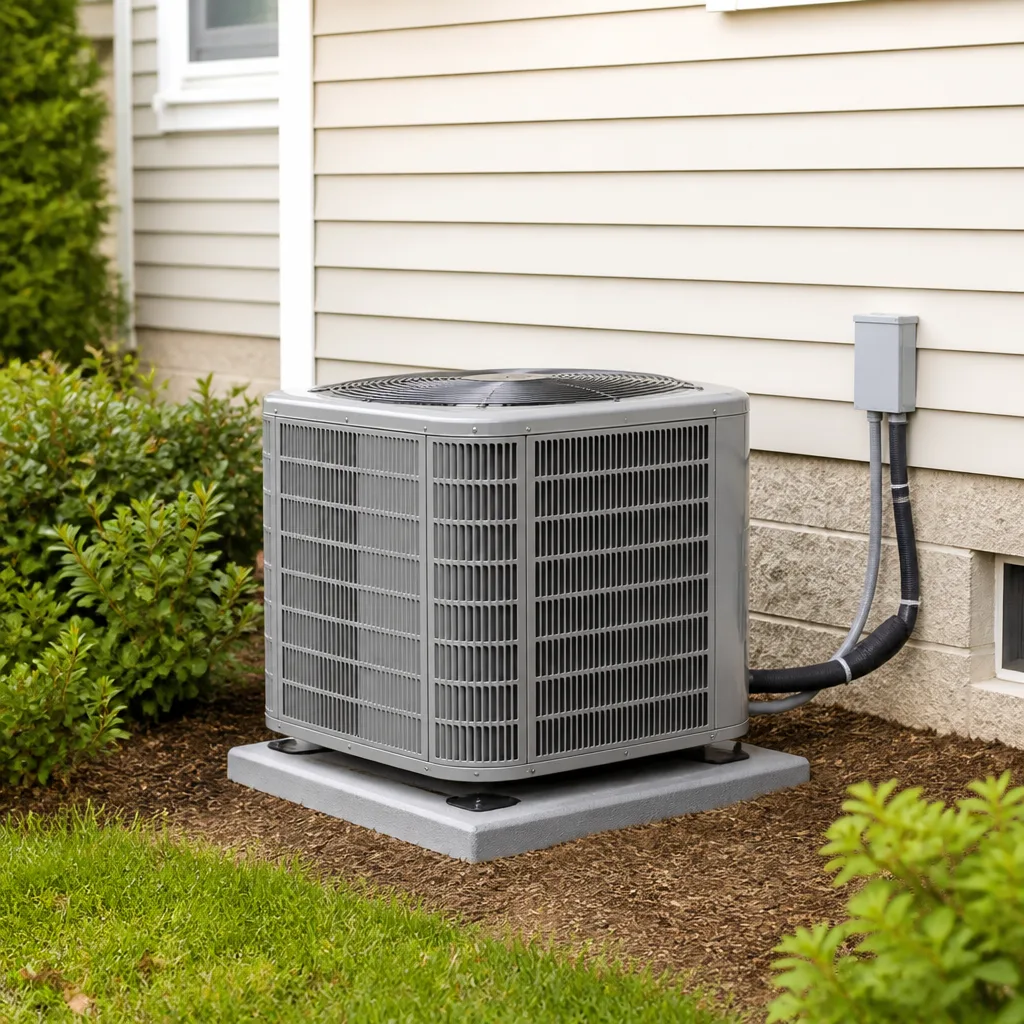 Carrier
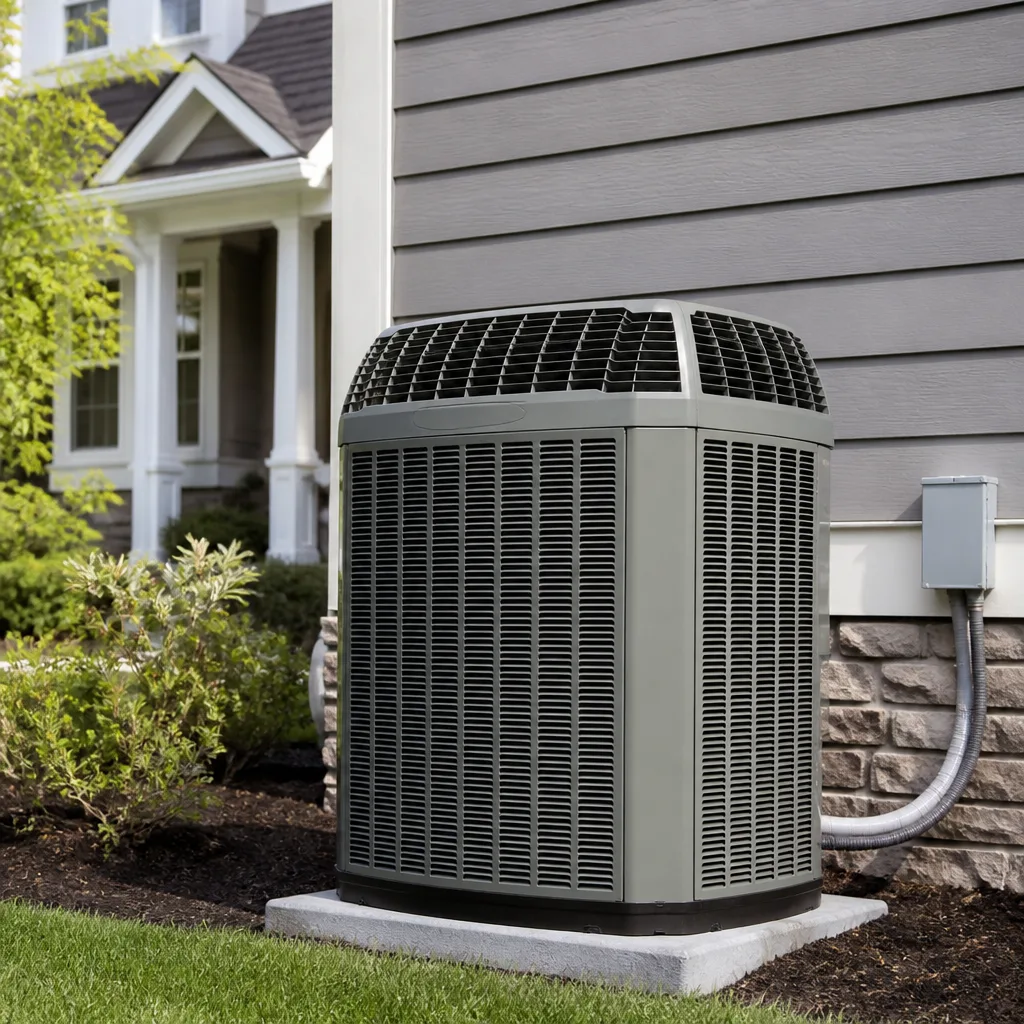 Trane
Trane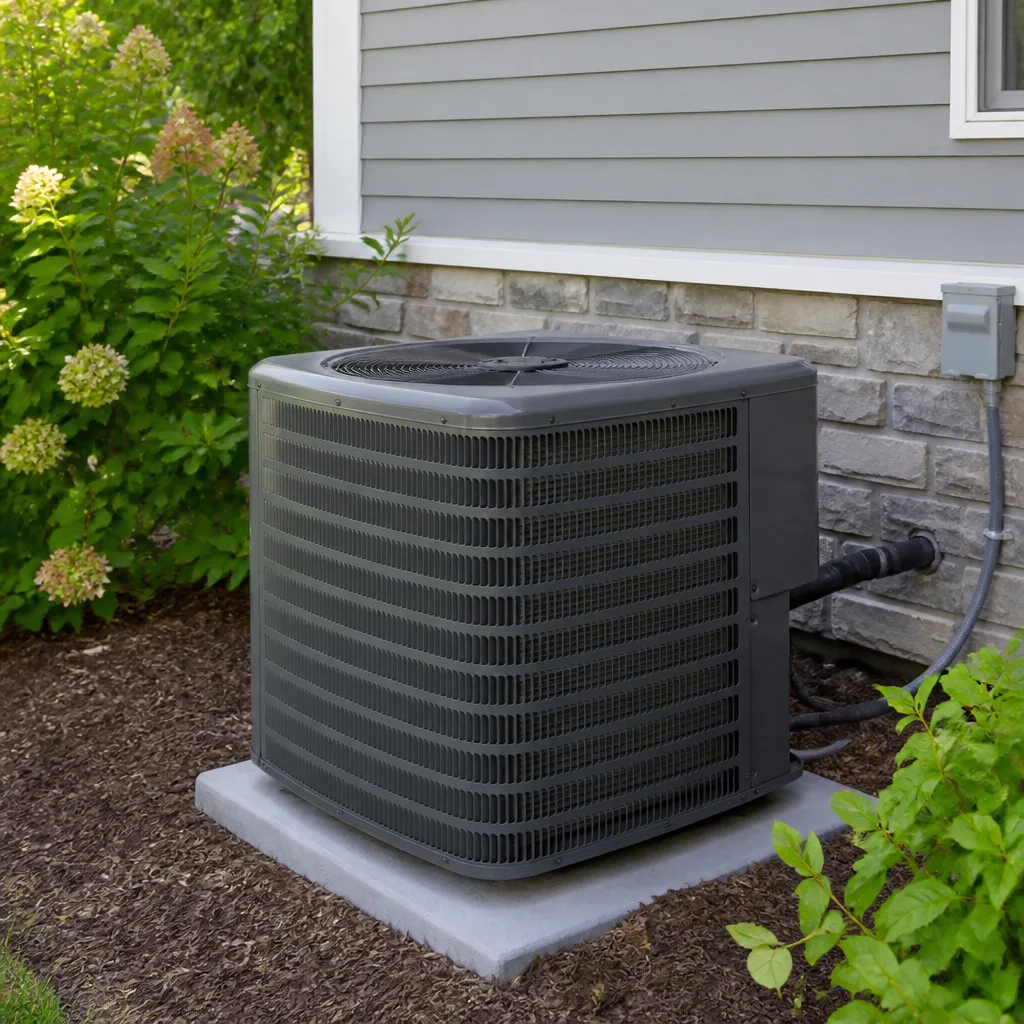 Goodman
Seasonal tune-up and full diagnostic on your Carrier, Trane, or Goodman system - readings shown to you before any repair is proposed
Diagnosis first, numbers second - you approve the repair price before a single part goes in.
Get your free estimateTrane Mini-Split Installation: The Austin Owner’s Guide
If your Trane mini-split has a failed compressor, a leaking evaporator coil, or a control board that’s given up, we install genuine Trane and quality-matched replacement parts every week across Austin. Most Trane mini-split repairs and part replacements run $150 – $650 depending on the component, and a full system replacement when the unit is beyond saving typically lands between $3,500 and $7,500. We carry common Trane mini-split components on the truck, and Victor Mancini or one of our senior techs can usually diagnose the exact failure on the first visit and have the right part ordered or installed within days, not weeks.
How owners usually find us: the indoor unit is blowing warm air in July, or it’s dripping water onto the floor, or it’s cycling on and off every few minutes and running up the electric bill. By the time a Trane mini-split reaches that point, the failed part is usually easy to name once we open the unit up. The good news is that most Trane mini-split parts are replaceable without ripping out the whole system.
Which Trane Models This Applies To
Trane’s mini-split line includes the M-Series, the 4MXW multi-zone outdoor units, and the newer TruComfort variable-speed series. The part that fits one series does not always fit another, even when the indoor units look nearly identical. The model number is on a sticker on the side of the indoor unit and on the outdoor condenser. We need that number to match parts correctly, because a compressor for a 4MXW36 is not the same as one for a TruComfort 24, and a blower wheel from a 12,000 BTU indoor head will not seat properly in a 9,000 BTU unit.
For Trane specifically, we almost always recommend genuine Trane OEM parts for compressors, inverter boards, and electronic expansion valves. These components communicate with the system’s firmware, and aftermarket versions can cause the unit to throw fault codes or run inefficiently. For simpler items like capacitors, fan motors, and drain pumps, a quality aftermarket equivalent from a supplier like Genteq or MARS is typically fine and costs less. We stock both on the truck and we’ll tell you which one makes sense for your unit before we order anything.
Styles & brands we work with
Signs Your Trane Mini-Split Installation Is Failing
- Warm air from the indoor unit while the outdoor unit runs constantly. This usually points to low refrigerant from a slow leak in the flare fittings or evaporator coil, or a compressor that’s lost capacity. In Austin’s humidity, a mini-split that can’t pull heat out of the room also can’t pull moisture out, so the air feels sticky even when it’s “cooling.”
- Water dripping from the indoor head or staining the wall below it. The condensate drain line is clogged with the algae and dust that Austin’s damp air breeds, or the internal drain pump has failed. Trane’s drain pumps sit inside the head unit and fail more often than people expect after five or six summers of continuous use.
- The unit short-cycles: it kicks on for two minutes, shuts off, then tries again ten minutes later. On Trane inverter systems this is often a failing thermistor on the indoor coil or a dirty condenser coil on the outdoor unit causing high-head-pressure trips. The control board is just doing its job, but the part feeding it information has gone bad.
- Error codes flashing on the indoor unit’s display, often P4, E5, or F6 on Trane models. These codes mean the system has detected a specific component fault and has shut the affected part down to protect itself. We read the code on the first visit, match it to Trane’s fault chart, and replace the offending sensor or board rather than guessing.
- A humming or buzzing indoor unit that blows little or no air. The blower wheel has separated from its hub or the fan motor bearings have worn out. Older Trane mini-splits in Austin’s dusty, pollen-heavy air eat through blower motors faster than equipment in cleaner climates because the wheel gets caked with debris and the motor works against the resistance.
See the difference
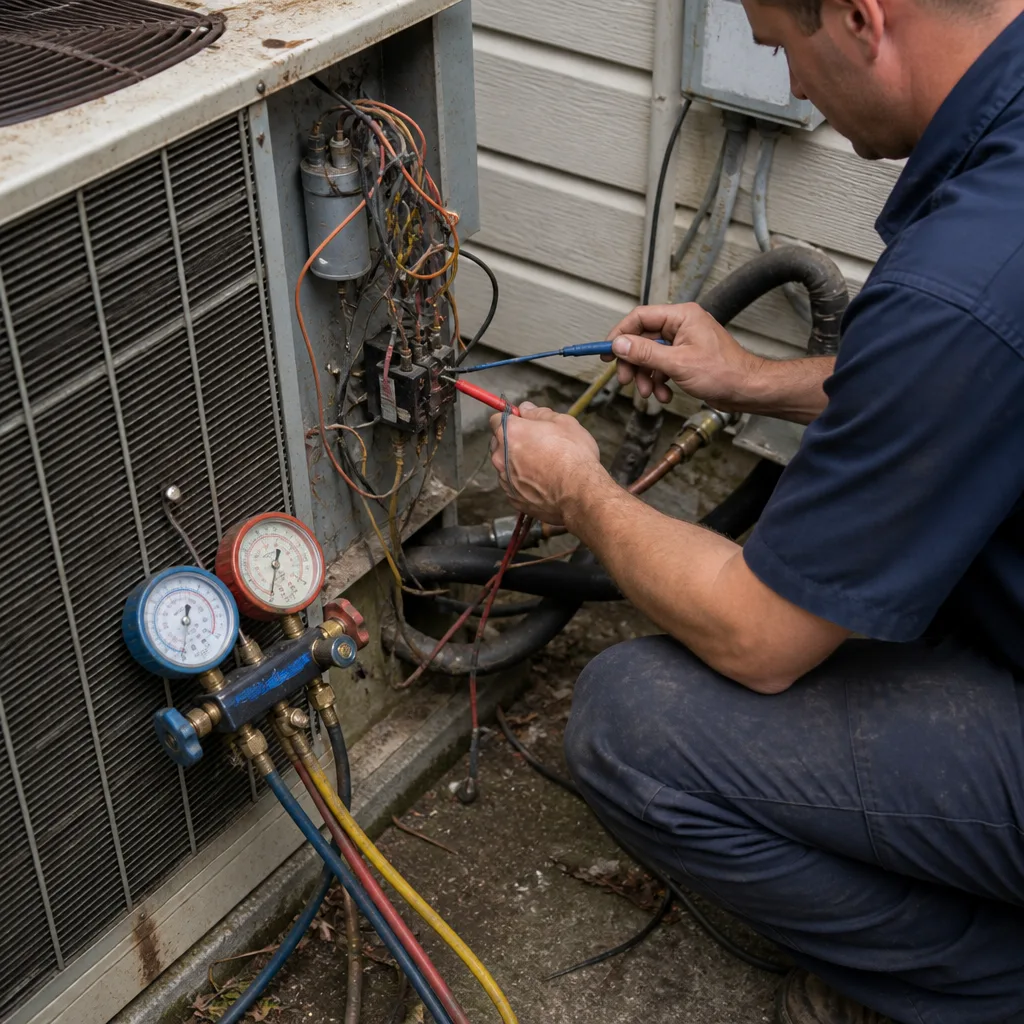 Before
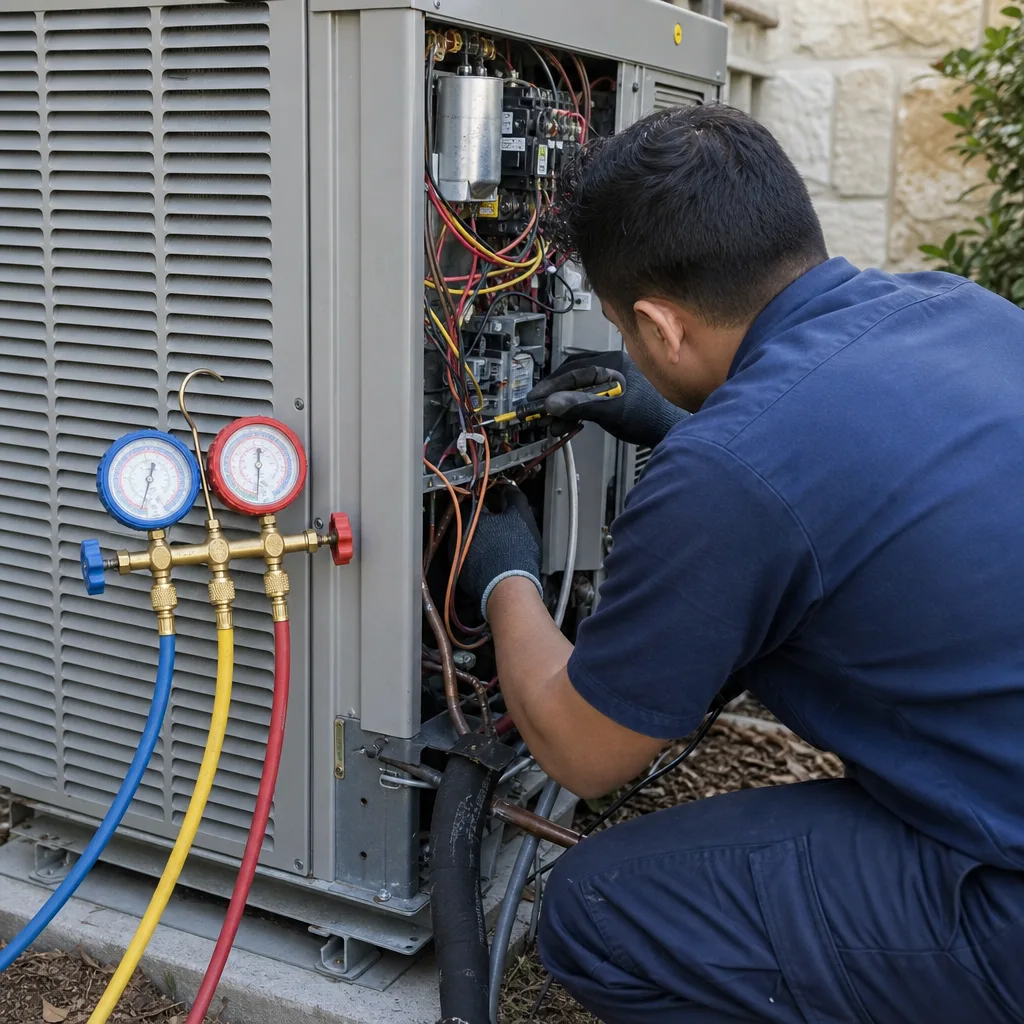 After
After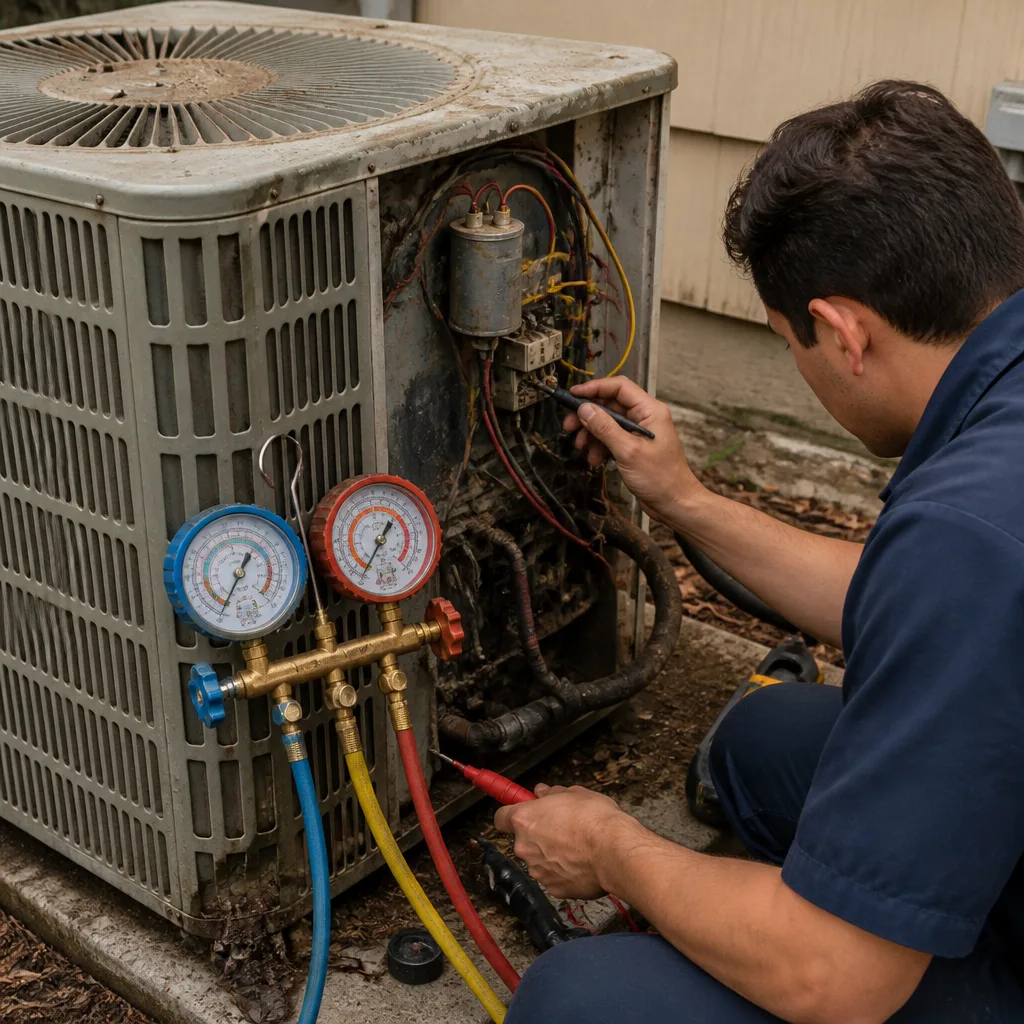 Before
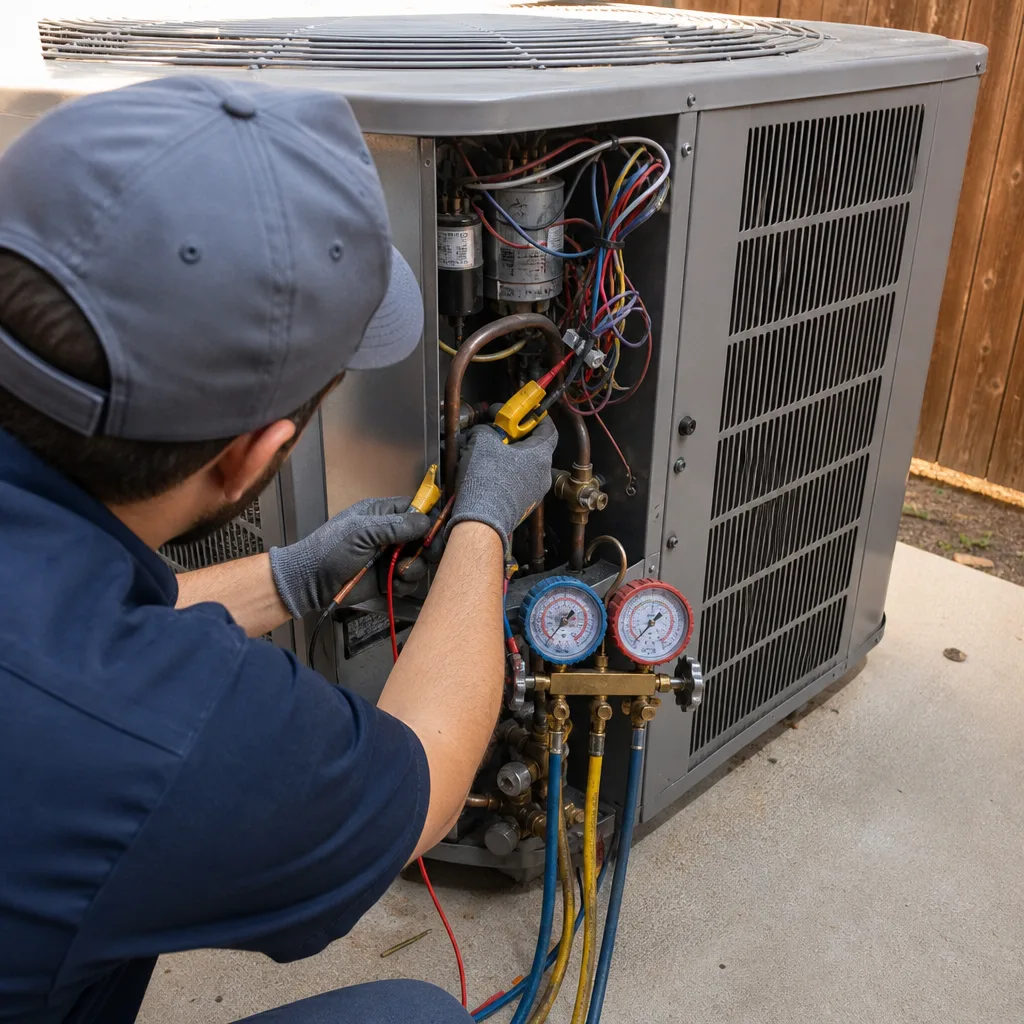 After
After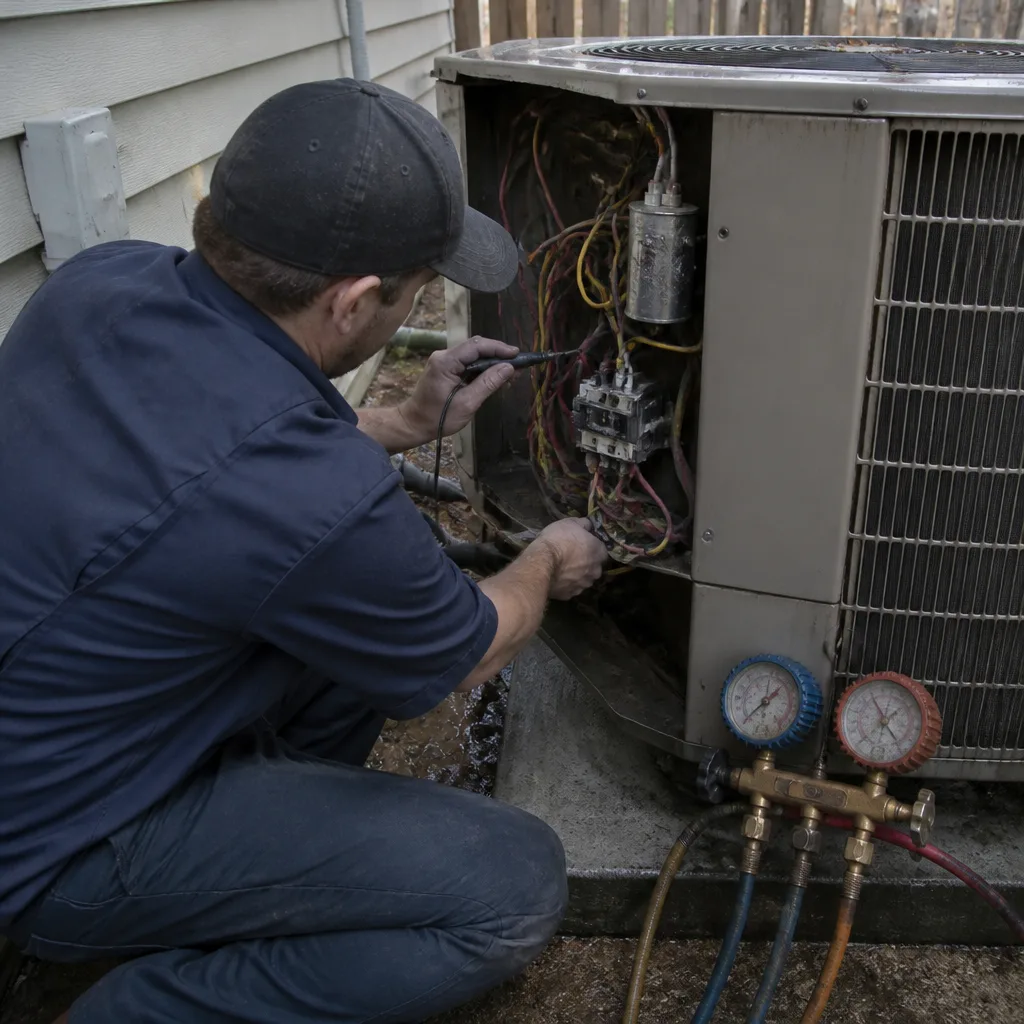 Before
 After
AfterReplacement Cost & What’s Included
Here’s what Trane mini-split part replacement actually costs in Austin, parts and labor included:
- Capacitor or thermistor replacement: $150 – $300
- Condensate drain pump or drain line clearing: $180 – $350
- Indoor blower motor or blower wheel: $300 – $550
- Outdoor fan motor: $280 – $480
- Inverter control board: $350 – $650
- Compressor or evaporator coil (when replacement makes sense): $600 – $1,500, with full system replacement running $3,500 – $7,500
Every quote is a written price handed to you before we start. It includes the part, labor, refrigerant if needed, and disposal of the old component. You’ll know the number before a tool comes out, and that number does not change at the door. And every part we install is covered by our 365-Day Done Right Promise: if the repair fails within a year, we come back and fix it at no charge, with that guarantee written down before we leave.
DIY or Call Us?
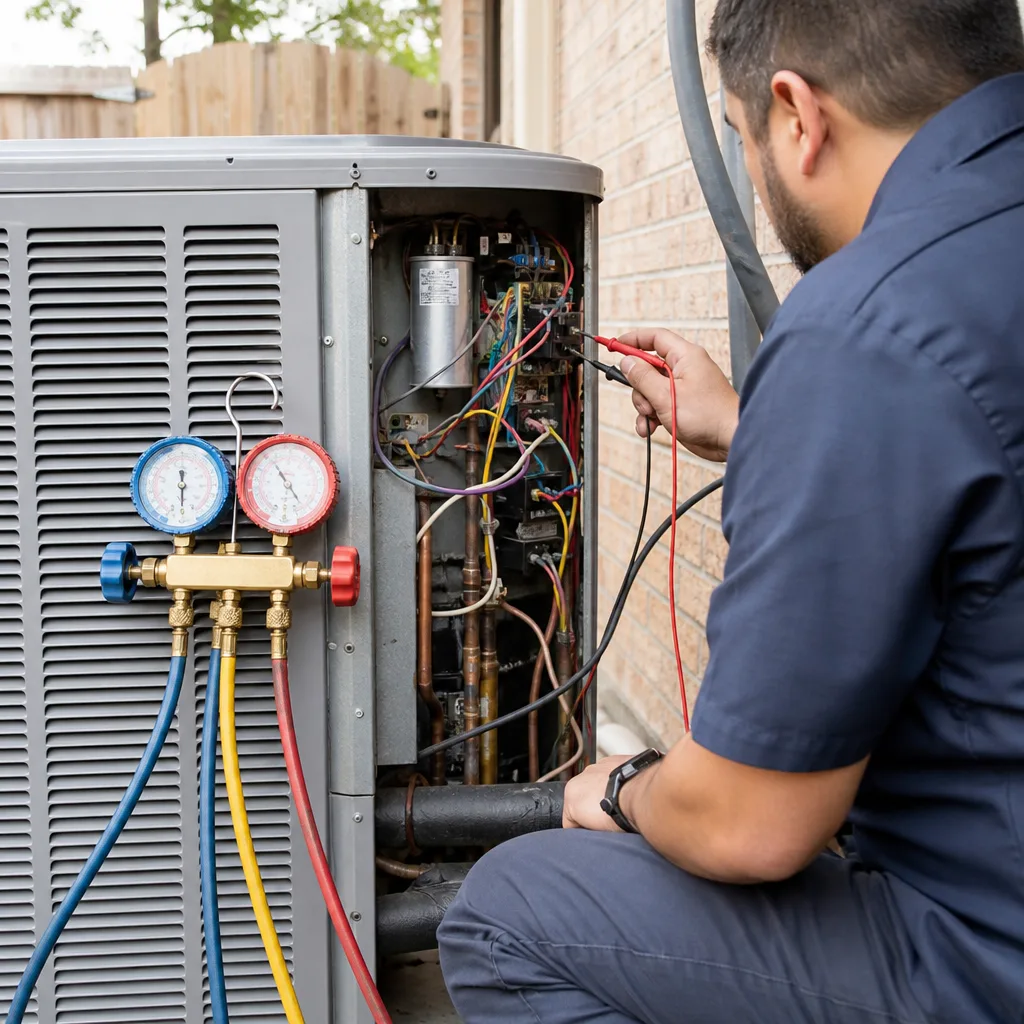
Honestly, there’s not much safe DIY territory on a Trane mini-split once the failure is electrical or refrigerant-related. You can clean the washable filters on the indoor head, clear leaves away from the outdoor unit, and make sure no furniture is blocking the return air. Those are basic maintenance every Austin homeowner should do monthly during cooling season. But opening the outdoor unit to test a capacitor, or checking refrigerant pressures, or swapping an inverter board means working with high-voltage connections and refrigerant lines under pressure. One wrong probe placement and you’re dealing with a serious shock or a refrigerant burn. That’s not a scare tactic; it’s just the reality of how these systems are built.
If the unit is flashing a code, making a new noise, or blowing warm air, call us at (361) 204-1605 and we’ll send a tech who works on Trane equipment every week. We diagnose once, quote a firm price, and fix it right the first trip.
FAQs
A well-maintained Trane mini-split typically lasts 12 to 15 years in Austin, but the compressor and inverter board often need replacement somewhere around year 10 because Texas heat and humidity push these systems harder than they’d work in a milder climate. Units that run year-round for both cooling and heating tend to age faster than cooling-only systems.
Some parts can be repaired, but most Trane mini-split components are sealed units designed for replacement, not repair. A capacitor, a thermistor, or a drain pump is cheap enough that rebuilding it would cost more than the new part. A compressor or inverter board is not field-rebuildable in any practical sense. We’ll tell you plainly which category your failed part falls into before you spend a dollar.
Most common parts, like a capacitor, thermistor, or drain pump, take under two hours once we’re on site. A blower motor or control board replacement is usually a two-to-three-hour job. If we need to order a compressor or a specific Trane OEM board, expect three to five business days for the part to arrive, then a half-day install. We’ll give you a firm arrival window and stick to it.
Our trucks carry the fast-moving Trane mini-split parts: capacitors, thermistors, drain pumps, fan motors, and common control boards. Specialty items like a specific compressor for a four-year-old TruComfort model get ordered direct from Trane’s Texas distribution warehouse and typically arrive within three to five business days. We also stock compatible parts for Carrier and Lennox mini-splits, since plenty of Austin homes have mixed-brand setups.
If your Trane mini-split is limping along and you want a straight answer on what’s failed and what it costs to fix, call (361) 204-1605 for a free estimate. One visit, one diagnosis, one fix – that is the only way this works.
Written by Victor Mancini, Owner & Lead HVAC Technician, Cold Harbour Heating and Air Austin at Cold Harbour Heating and Air Austin, serving Austin and nearby areas.